Deprecated: Creation of dynamic property WP_Term::$cat_ID is deprecated in /var/www/surefiz.com/html/forum/wp-includes/category.php on line 378
Deprecated: Creation of dynamic property WP_Term::$category_count is deprecated in /var/www/surefiz.com/html/forum/wp-includes/category.php on line 379
Deprecated: Creation of dynamic property WP_Term::$category_description is deprecated in /var/www/surefiz.com/html/forum/wp-includes/category.php on line 380
Deprecated: Creation of dynamic property WP_Term::$cat_name is deprecated in /var/www/surefiz.com/html/forum/wp-includes/category.php on line 381
Deprecated: Creation of dynamic property WP_Term::$category_nicename is deprecated in /var/www/surefiz.com/html/forum/wp-includes/category.php on line 382
Deprecated: Creation of dynamic property WP_Term::$category_parent is deprecated in /var/www/surefiz.com/html/forum/wp-includes/category.php on line 383
Deprecated: Creation of dynamic property WP_Term::$cat_ID is deprecated in /var/www/surefiz.com/html/forum/wp-includes/category.php on line 378
Deprecated: Creation of dynamic property WP_Term::$category_count is deprecated in /var/www/surefiz.com/html/forum/wp-includes/category.php on line 379
Deprecated: Creation of dynamic property WP_Term::$category_description is deprecated in /var/www/surefiz.com/html/forum/wp-includes/category.php on line 380
Deprecated: Creation of dynamic property WP_Term::$cat_name is deprecated in /var/www/surefiz.com/html/forum/wp-includes/category.php on line 381
Deprecated: Creation of dynamic property WP_Term::$category_nicename is deprecated in /var/www/surefiz.com/html/forum/wp-includes/category.php on line 382
Deprecated: Creation of dynamic property WP_Term::$category_parent is deprecated in /var/www/surefiz.com/html/forum/wp-includes/category.php on line 383

When it comes to weight loss, not all diets are created equal. Here are some of the pros and cons of the most common diet trends to help you decide if one is right for you.
If you have ever looked at all the diet trends and been confused, you aren’t alone. There are many different types of diets on the market and they all advertise maximum weight loss and health benefits. But with so many options how does someone know which ones truly work at minimizing fat and helping drop the pounds for lasting weight loss? Our SureFiz trainer and health coach helps to give a brief analysis of the pros and cons for some of the most popular diets currently trending to help you decide if any of them are a good fit for your weight loss goals.
The Keto Diet
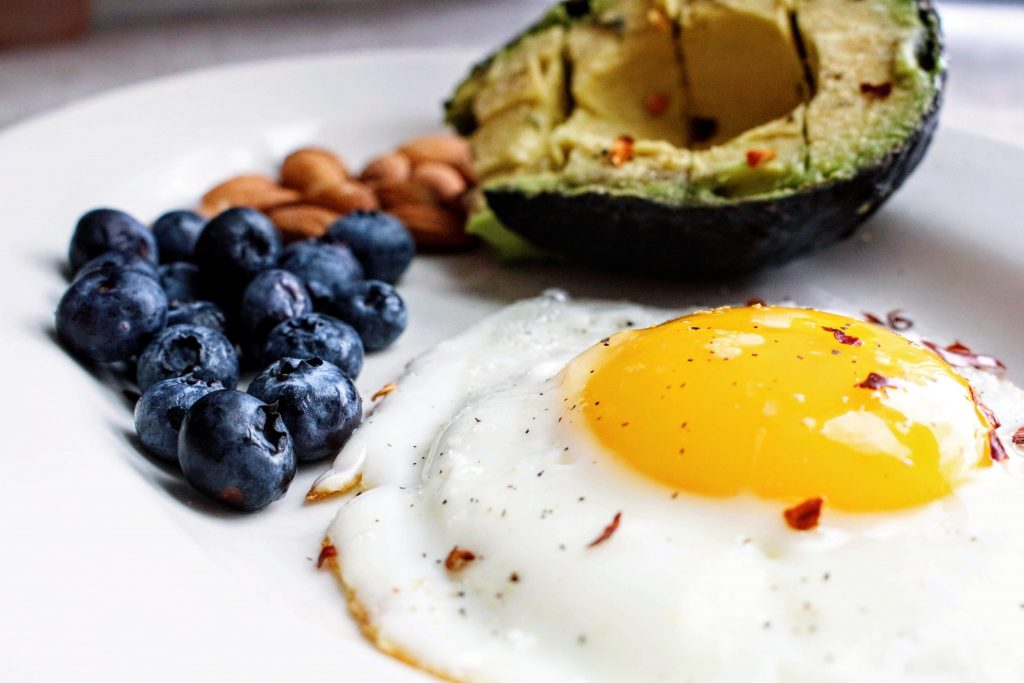
The ketogenic diet (or keto diet) has been trending for the past few years as a diet to promote weight loss. But it has been traced back to as early as 1921, and was used to treat epilepsy. The main concept behind the diet is to eat a daily diet consisting of mostly fats and very low carbs, which puts the body in a state of ketosis, where it burns fat as fuel instead of carbohydrates. Because almost all of the carbohydrates are removed from the daily diet, there are no longer any reserves available, which leads to burning more body fat for fuel. Some types of plans have users eating 70% or more of daily fats, with carbs as low as 5%. Most keto diet followers also maintain a low to moderate protein intake.
While the keto diet is not necessarily restrictive in food groups (for instance, dairy or meats or gluten), it can be a lot harder to follow than it seems. In order to stay in ketosis, the low carb balance must be maintained at all times, which doesn’t allow for any breaks, days off or cheat days to balance out a diet. Over time, the diet becomes extremely hard to maintain and many people cannot stay on it for extended periods of time. Some doctors also have concerns about long term effects of eating such large amounts of fats on other systems in the body, such as the heart, liver, pancreas, etc. For a more in depth look at the keto diet, click here.
Paleo Diet
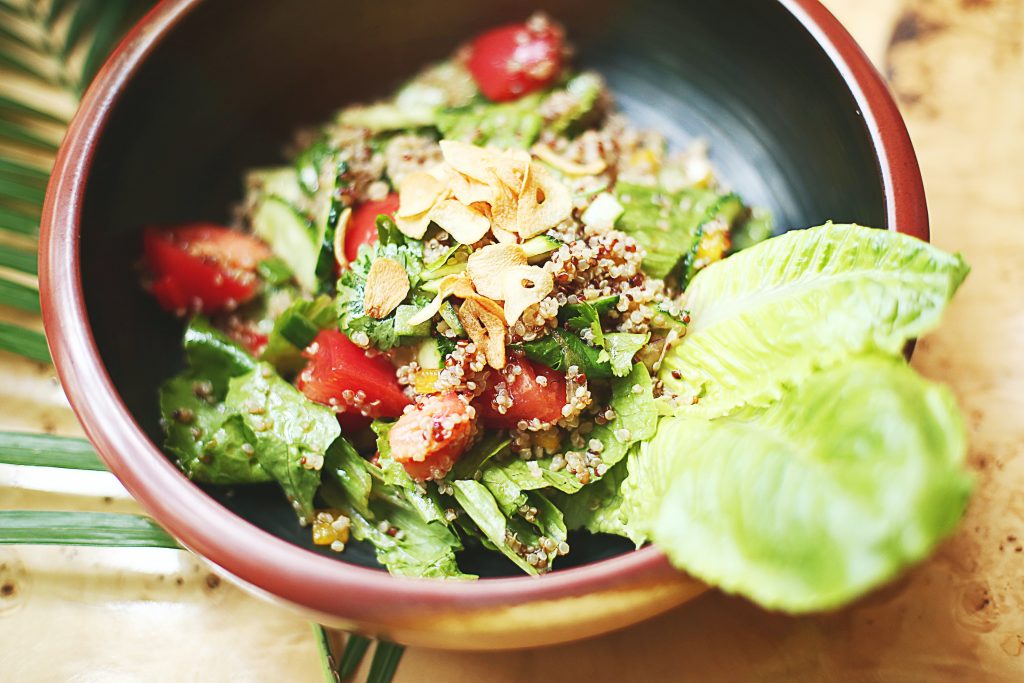
The Paleo diet is another recent trending diet for weight loss, although it also didn’t originate as a weight loss diet alone. The purpose behind the Paleo diet is that current farming and manufacturing trends have created more processed foods than our bodies can handle and that by eating like our ancestors with whole foods and foods from the earth, we can greatly lower our disease risk and our bodies will be overall healthier. For most people who follow the Paleo diet, weight loss is a side effect of eating less sugar, less processed foods and focusing on more nutrient dense food groups to supply daily fuel for the body.
The Paleo diet can be restrictive, as it doesn’t allow many grains/gluten, no dairy and no added sugars (some natural options like dates can be an exception). The overall focus of the diet is a healthy one, with many people benefitting from eliminating fast food, processed junk food and sugars from their daily diet. This diet can become challenging over time as well, with major food groups being eliminated. The sustainability long term is questionable. If you need to go on vacation or out to dinner, your choices are slim as many restaurants use ingredients that are not considered ok by the Paleo diet standards. For a more in depth look at the Paleo diet, click here.
Whole 30 Diet
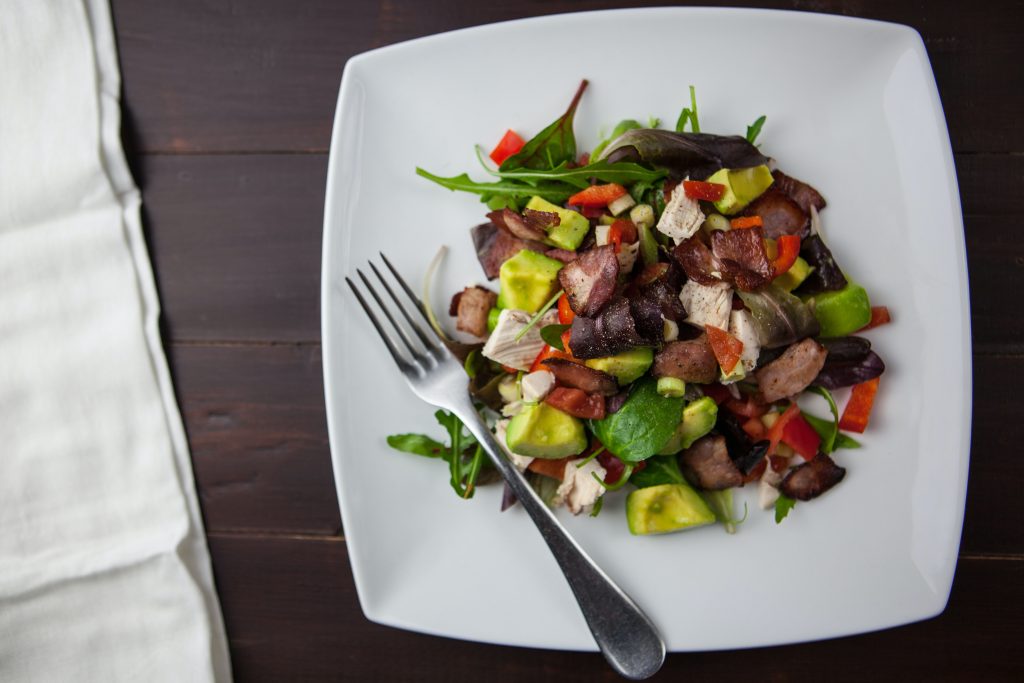
The Whole 30 diet is extremely similar in concept to the Paleo diet, with a few more restrictions. Like the other diets mentioned above, the Whole 30 diet was not originally intended as a weight loss diet but was created by Nutritionists Dallas and Melissa Hartwig as an elimination diet to help pinpoint food allergies or food intolerances. The Whole 30 eliminates many high allergen food groups, such as gluten, grains, dairy, beans and legumes, sugar and any processed foods. The main staple of the diet is Meat, eggs, fruit and vegetables, and users are intended to stay on the diet for 30 days, then slowly integrate food groups back in to see if there is a negative response in the body.
The Whole 30 is considered in some ways to be a more extreme version of the Paleo diet, as the Paleo diet will allow some sugars and more grains than the Whole 30. But the Whole 30 concept is also not intended to be utilized for more than 30 days, making it a bit more achievable as a short term weight loss diet plan. For maximum weight loss success on the Whole 30 diet, it is recommended that people transition from the Whole 30 to another healthy eating plan to reduce the chances of gaining all their weight back if they return to how they ate before they began the Whole 30 program.
Intermittent Fasting

There are many different ways to follow an intermittent fasting diet approach, but the basic concept focuses on eating within a certain window of time and “fasting” from food during the other hours of the day. One of the most popular ways to follow intermittent fasting is the 16:8 plan, where users will only eat in an 8-hour window of time, allowing the body to fast for 16 hours of the day. During the fasting hours you can drink water, coffee and tea but no caloric drinks or food. The benefits to intermittent fasting go beyond simple weight loss. According to Healthline, “All sorts of processes in the body change when we don’t eat for a while, in order to allow our bodies to thrive during a period of famine. It has to do with hormones, genes and important cellular repair processes. When fasted, we get significant reductions in blood sugar and insulin levels, as well as a drastic increase in human growth hormone. Many people do intermittent fasting in order to lose weight, as it is a very simple and effective way to restrict calories and burn fat. Others do it for the metabolic health benefits, as it can improve various different risk factors and health markers”.
Intermittent fasting does not necessarily restrict any food groups, but simply requires eating within a window of time and abstaining from foods in another window. Some users combine intermittent fasting with the keto diet to increase fat loss in an accelerated time. For more information on intermittent fasting and whether it will work for you, click here.
Intuitive Eating

The approach to Intuitive Eating is a blend of healthy eating concepts and psychology. It was created with an intention of teaching people to listen more to their bodies and to break the good/bad or on/off pattern that extreme diets can create in people’s mindsets. If followed correctly and intentionally, users can create healthy patterns that will allow long-term success without guilt and shame. The diet does not restrict any food group or promote calorie counting; rather it allows any food as long as you can create awareness in how it makes you feel and to eat only when truly hungry. The basic principles of intuitive eating are: reject the diet mentality, honor your hunger, make peace with food, challenge the food police (in your mind), respect your fullness, discover the satisfaction factor, honor your feelings without using food, respect your body, exercise to move your body and honor your health with gentle nutrition (Health Magazine).
Intuitive eating can help with those overcoming eating disorders or similar challenges with food and weight struggles. As a weight loss plan it may or may not work, depending on individual users and how much they follow the concept of eating for health and eating to make the body feel good. It can be easy for someone to take it too far and eat sweets every day, claiming it “feels good” to eat them. Those who want to use the intuitive eating approach to lose weight may want to combine it with either another eating plan geared towards weight loss or work to educate themselves on healthy eating plans for weight loss to ensure they aren’t continually eating foods that keep the weight on or put them over a caloric level.
Mediterranean Diet
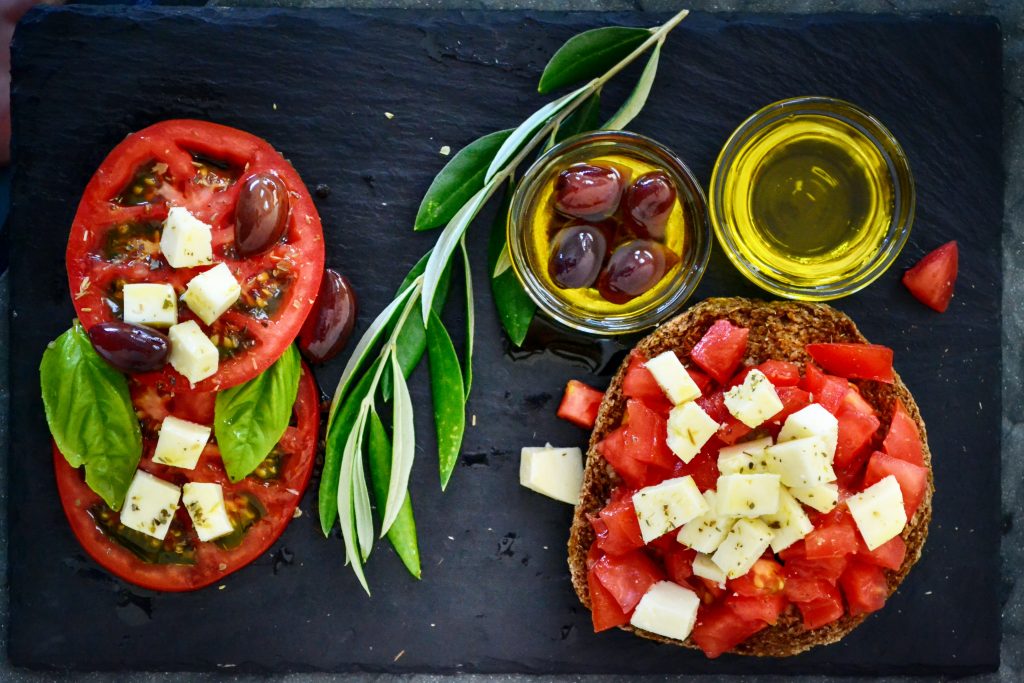
According to U.S. News and World Report Health, the Mediterranean Diet has been named the top overall diet in 2021 for it’s well rounded health benefits. The basic concept behind this eating plan came from the population groups who lived surrounding the Mediterranean Sea and their health statistics. It is not so much a structured diet or restrictive eating plan, rather a guideline to base your general diet around. Many people who follow the Mediterranean diet plan do end up losing weight because the basic premise is around healthy foods for the whole body and all it’s systems. It does not track macros, eliminate entire food groups or require eating in a window of time during the day. The idea is an emphasis on the following foods: fruits, vegetables, whole grains, beans, nuts, legumes, olive oil, flavorful herbs and spices, fish/seafood a couple times a week and poultry, eggs, cheese and yogurt are eaten in moderation. The diet is low in red meats, although it does not eliminate them as an option for special occasions. Red wine is also ok to drink in moderation, as it offers heart benefits.
Overall the Mediterranean Diet can be considered a healthy diet to follow, even for the long-term, as it does not have too many strict rules or eliminations. This diet may not lead to the fastest weight loss, but may help users keep the weight off the longest and live in maintenance with a lot of flexibility. With a large focus on fish and seafood, it does require that those who follow the way of eating do enjoy seafood and/or don’t have an allergy. Otherwise it can be a safe, healthy diet concept to look into for sustainable weight loss and overall health.
The Bottom Line
While there are many diets on the market today, all of them come with a set of pros and cons. There is no “one size fits all approach” when it comes to dieting—many people could find weight loss success on any of these diet plans. The biggest component to weight loss has to do with creating a caloric deficit on most days: fewer calories ingested than calories burned. If you follow this basic approach, you will lose weight. We recommend that you do your research before starting any kind of diet plan, and make sure that the pros outweigh the cons. Always ask your doctor or nutritionist before starting a restrictive diet to make sure you don’t have any underlying conditions that would create a health problem. No matter which diet you choose, we recommend tracking your calories and weighing yourself on your SureFiz smart scale daily so that you can observe your progress and make sure it is truly working for you. Continue to follow our blogs and social media accounts for more advice, diet tips, recipes and workout ideas to help you find the best success in your weight loss journey.
]]>Deprecated: Creation of dynamic property WP_Term::$cat_ID is deprecated in /var/www/surefiz.com/html/forum/wp-includes/category.php on line 378
Deprecated: Creation of dynamic property WP_Term::$category_count is deprecated in /var/www/surefiz.com/html/forum/wp-includes/category.php on line 379
Deprecated: Creation of dynamic property WP_Term::$category_description is deprecated in /var/www/surefiz.com/html/forum/wp-includes/category.php on line 380
Deprecated: Creation of dynamic property WP_Term::$cat_name is deprecated in /var/www/surefiz.com/html/forum/wp-includes/category.php on line 381
Deprecated: Creation of dynamic property WP_Term::$category_nicename is deprecated in /var/www/surefiz.com/html/forum/wp-includes/category.php on line 382
Deprecated: Creation of dynamic property WP_Term::$category_parent is deprecated in /var/www/surefiz.com/html/forum/wp-includes/category.php on line 383
Deprecated: Creation of dynamic property WP_Term::$cat_ID is deprecated in /var/www/surefiz.com/html/forum/wp-includes/category.php on line 378
Deprecated: Creation of dynamic property WP_Term::$category_count is deprecated in /var/www/surefiz.com/html/forum/wp-includes/category.php on line 379
Deprecated: Creation of dynamic property WP_Term::$category_description is deprecated in /var/www/surefiz.com/html/forum/wp-includes/category.php on line 380
Deprecated: Creation of dynamic property WP_Term::$cat_name is deprecated in /var/www/surefiz.com/html/forum/wp-includes/category.php on line 381
Deprecated: Creation of dynamic property WP_Term::$category_nicename is deprecated in /var/www/surefiz.com/html/forum/wp-includes/category.php on line 382
Deprecated: Creation of dynamic property WP_Term::$category_parent is deprecated in /var/www/surefiz.com/html/forum/wp-includes/category.php on line 383
Deprecated: Creation of dynamic property WP_Term::$cat_ID is deprecated in /var/www/surefiz.com/html/forum/wp-includes/category.php on line 378
Deprecated: Creation of dynamic property WP_Term::$category_count is deprecated in /var/www/surefiz.com/html/forum/wp-includes/category.php on line 379
Deprecated: Creation of dynamic property WP_Term::$category_description is deprecated in /var/www/surefiz.com/html/forum/wp-includes/category.php on line 380
Deprecated: Creation of dynamic property WP_Term::$cat_name is deprecated in /var/www/surefiz.com/html/forum/wp-includes/category.php on line 381
Deprecated: Creation of dynamic property WP_Term::$category_nicename is deprecated in /var/www/surefiz.com/html/forum/wp-includes/category.php on line 382
Deprecated: Creation of dynamic property WP_Term::$category_parent is deprecated in /var/www/surefiz.com/html/forum/wp-includes/category.php on line 383
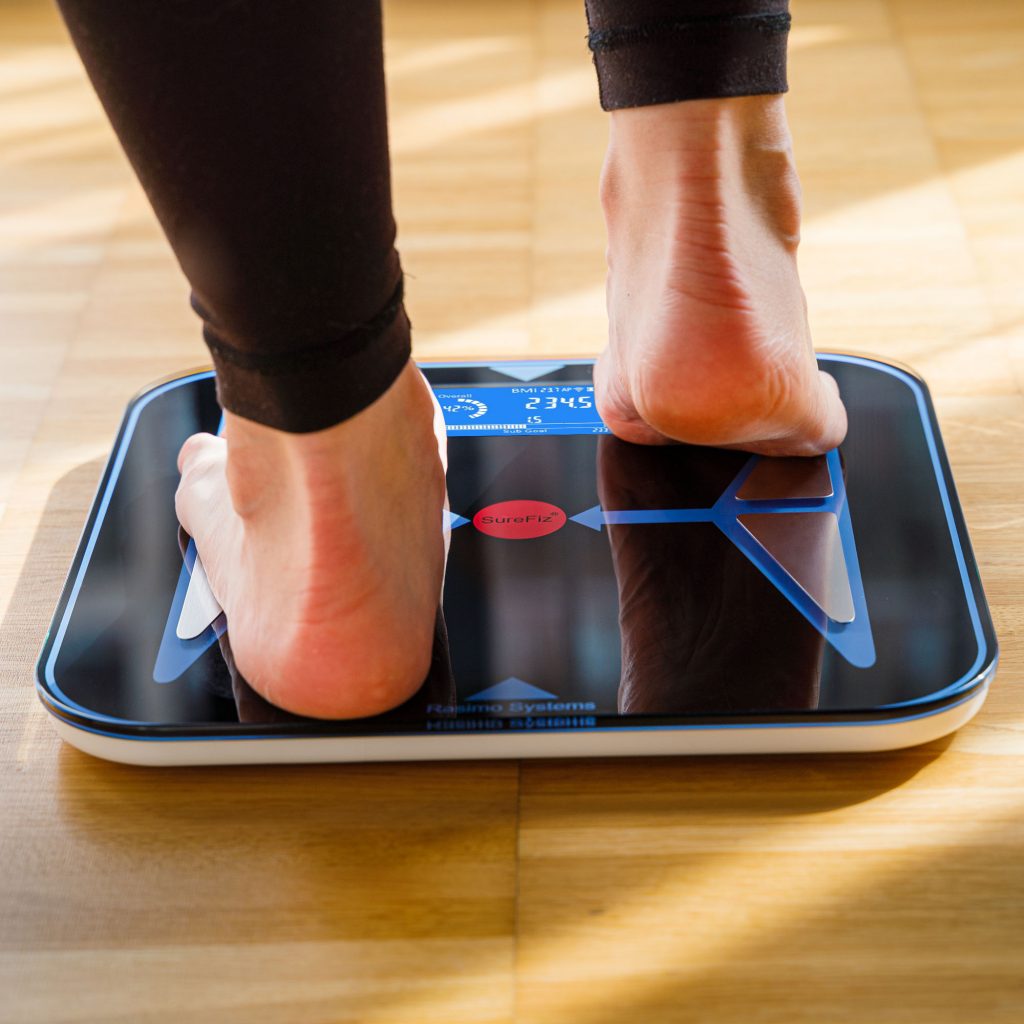
Have you ever wondered how a smart scale can help you lose more weight or reach your fitness goals? There are many more interactive features to help you lose and maintain weight than you might think.
Weight loss scales have been around for many years, but some recent technological advances with smart scales have led to major advantages in the world of fitness and weight loss. If you ever thought about trying a smart scale but weren’t sure if it was right for you, this information can help show you the reasons why you might want to take the plunge and get one as soon as possible. Whether you are looking to lose weight, maintain weight loss or even gain weight, a body composition (smart) scale can help you reach those goals. There are many different components to a body composition scale that can benefit your weight loss or gain goals. Here are just a few of the benefits you can reap almost immediately from getting a smart scale.
Knowledge is Power
People who weigh themselves regularly are more likely to lose weight and keep it off for good. You might wonder why this is the case, but having an awareness of where you’re at in your goals each day can help you make better decisions throughout the day. Knowing your weight can help you push harder in your daily exercise, resist tempting foods and make better overall health choices. According to USA Today, weighing yourself every day can help aid in weight loss and decision making with little to none negative side effects. “In a two year study of 162 overweight and obese gym members, those asked to weigh themselves daily and chart the results were more likely to lose significant weight and then keep it off. Another study of 92 overweight adults found increased weight loss among those assigned to daily use of a digital scale that sent results to a website. The numbers were accessible to both users and counselors—who followed up with tips and encouragement. The daily weighers saw no increases in depression, binge eating or other signs of disordered eating”. When it comes to goal setting and awareness, knowledge truly means power to succeed in weight loss for good.

What is Body Composition and Why Does it Matter?
There are many different body composition statistics that smart scales measure other than just weight. The main information that the SureFiz smart scale measures are: body fat, water, protein, BMI, weight, muscle, bone density, basal metabolic rate. As you can see, these components are so much more than body weight. They provide a holistic experience to help you in not only general weight loss goals but also learning more about how everything within your body is a connective experience. Your protein counts and water levels (and other facets) all work together in weight loss and in overall weight management. Once you are able to analyze all of this information in one place, you can apply it to your weight loss plan and help reach your goals faster.
Connectivity to an App
One major benefit to body composition smart scales is the ability to sync all of your body composition information to one place in an easy to use app. In order to do this your scale will need either Bluetooth or wifi capability. With Bluetooth capability you need your phone near the scale anytime you weigh so that the phone can easily connect to the scale. It can become complicated if you forget and have your phone somewhere else in the house when you step on to weigh yourself. SureFiz scales are intuitively designed with wifi connectivity so that you can keep your phone anywhere in your home without worrying about a connection. With this benefit, users simply just have to “step up” on the scale and all the connectivity is done for them.

Interactivity to Keep You on Track
The benefits don’t just stop with an interactive wifi scale. Using the connected app can open up a whole new world of information all at your fingertips. The addition of goal setting, weight management tracking, accountability circles to connect you with friends plus the addition of free workout plans, diet tips, recipes, advice from fitness and weight loss professionals, makes the smart scale a WHOLE lot smarter. With so much information all over the Internet and social media, it can be incredibly refreshing to find it all in one place, in one simple app that connects to your scale. It’s no wonder that psychologists and doctors are finding that the use of a body composition smart scale increases the chances of lasting weight loss and maintenance as opposed to those who don’t regularly use a scale. One SureFiz user said that the only thing keeping her on track during the COVID-19 pandemic was stepping on the scale regularly. “All my friends were complaining of their weight gain but I said that stepping on the scale was the only thing keeping me from going off the rails and eating all the comfort food I could find. Even when I wanted to give up I could see my progress on the app and it kept me going on the hardest days”.
Results That Speak Volumes
It doesn’t take long for the results to show. When it comes to losing and maintaining weight loss, accountability is key. Whether you have a trainer to do regular weigh-ins and body measurements, a friend or spouse, or an interactive smart scale to help you on your journey. Your results will multiply quickly and last longer when you have the ability to track your composition, see your results laid out before you and see the goal in reach. On those tough days in your weight loss journey (because we all have them and it’s part of the process), you can simply access your data and see just how far you’ve come. This tool can help keep you motivated to stay on course and keep at it! Stay strong and continue to put the work in—the results will surely come! If you haven’t seized the opportunity to get one of these amazing weight loss tools, click here and get yours now! You too can begin to see your weight loss results happen right before your eyes!
]]>Deprecated: Creation of dynamic property WP_Term::$cat_ID is deprecated in /var/www/surefiz.com/html/forum/wp-includes/category.php on line 378
Deprecated: Creation of dynamic property WP_Term::$category_count is deprecated in /var/www/surefiz.com/html/forum/wp-includes/category.php on line 379
Deprecated: Creation of dynamic property WP_Term::$category_description is deprecated in /var/www/surefiz.com/html/forum/wp-includes/category.php on line 380
Deprecated: Creation of dynamic property WP_Term::$cat_name is deprecated in /var/www/surefiz.com/html/forum/wp-includes/category.php on line 381
Deprecated: Creation of dynamic property WP_Term::$category_nicename is deprecated in /var/www/surefiz.com/html/forum/wp-includes/category.php on line 382
Deprecated: Creation of dynamic property WP_Term::$category_parent is deprecated in /var/www/surefiz.com/html/forum/wp-includes/category.php on line 383
Deprecated: Creation of dynamic property WP_Term::$cat_ID is deprecated in /var/www/surefiz.com/html/forum/wp-includes/category.php on line 378
Deprecated: Creation of dynamic property WP_Term::$category_count is deprecated in /var/www/surefiz.com/html/forum/wp-includes/category.php on line 379
Deprecated: Creation of dynamic property WP_Term::$category_description is deprecated in /var/www/surefiz.com/html/forum/wp-includes/category.php on line 380
Deprecated: Creation of dynamic property WP_Term::$cat_name is deprecated in /var/www/surefiz.com/html/forum/wp-includes/category.php on line 381
Deprecated: Creation of dynamic property WP_Term::$category_nicename is deprecated in /var/www/surefiz.com/html/forum/wp-includes/category.php on line 382
Deprecated: Creation of dynamic property WP_Term::$category_parent is deprecated in /var/www/surefiz.com/html/forum/wp-includes/category.php on line 383
Working out from home has become a new normal for many. Here are some tips to get the most out of your home workout for success in your weight loss program.
This past year has brought with it many changes, including a major shift in how people incorporate fitness into their daily lives. What used to be a thriving fitness industry in which people attended classes, lifted weights or even hired a personal trainer in a gym have all had to try to accomplish these goals at home. It can be daunting to try and figure out the best way to lose weight, reach your fitness goals or even just maintain your weight loss success. We have some tips to help you along this weight loss journey and continue to see success even from your own home. Here is some advice from our SureFiz trainers:
Set up a Good Space

Depending on the living area of your home, this can be easier said than done. You might need to think outside the box a little to find a space for your workouts. But setting up a space is extremely important for your overall success. By having a dedicated space for working out, complete with equipment and a workout mat or even just a place to set a device to stream online classes, you have a much higher chance of success. If you try to do your workout in the main living area of your home you are subjecting yourself to the distractions of life–including laundry, dishes, pets, children, significant others. Any of these distractions will take your focus and hinder your ability to work hard and burn more calories, thus reaching your weight loss goals. If you have a garage, bonus room or small space you can dedicate, those can be some perfect spaces. For anyone who lives in a warmer climate, your balcony, backyard or patio is a perfect place to get away from your main living area and workout.
Have a Plan

Like anything else in your diet and weight loss journey, having a plan for your home workout will help you find long term success. Without a plan you are likely to waste time trying to decide what to do each time you workout. We suggest setting up plans in 4-6 week blocks, then revisiting to make necessary changes. This decreases the chances of workout boredom or muscle stagnancy that can come from doing too much of the same exercises over a long period of time. Changing your plans and your resistance will help your muscles continue to get stronger while helping you efficiently lose weight faster.
Incorporate HIIT

HIIT (high intensity interval training) is an extremely effective form of cardio training that gets your heart rate up to a fat blasting level in a short amount of time. Not only is it effective in the duration of the routine, but it has been shown to keep you in a fat burning state for hours after you do it, which will prove to be most effective for your long term weight loss goals. The best part about HIIT is that you don’t need equipment to get the weight loss benefits you are looking for. The calorie burning benefit only works if you push yourself hard, though. A popular form of HIIT, tabata, will only take you 4 minutes but you have 8 rounds of 20 second intervals with 10 second rest periods in between. During the work periods, you have to work as hard as you physically can to truly see the calorie blasting benefits of the work. For more information on how to incorporate HIIT into your workout and weight loss program and some fun HIIT ideas, click here.
Remember to Warm-up and Stretch
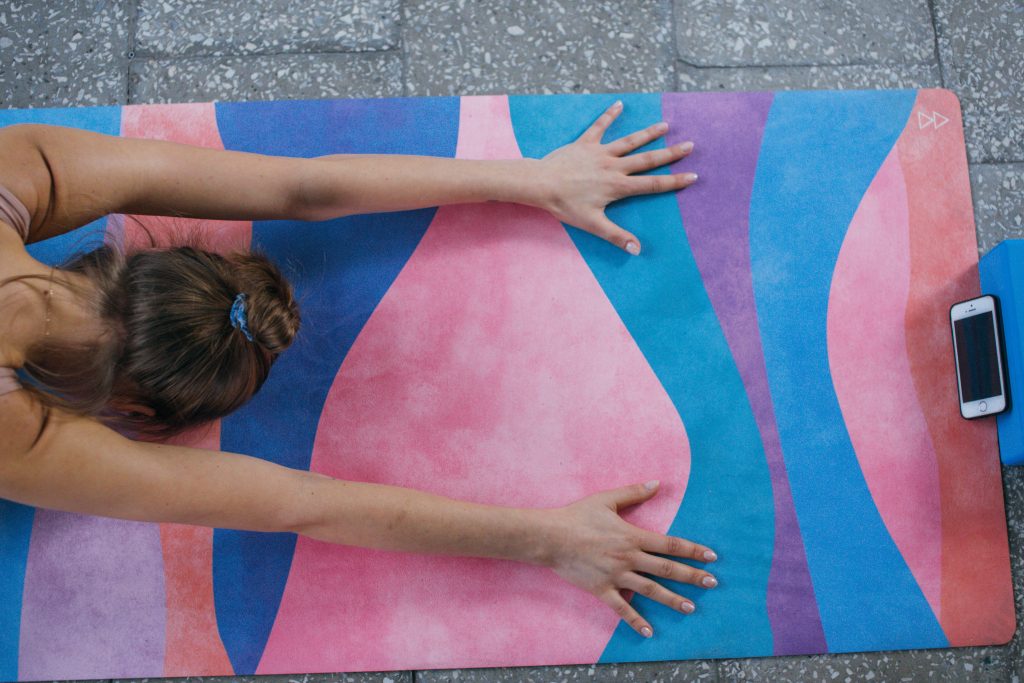
Whether in a gym setting or at home, many people forget to take the time to warm-up before their workout or stretch after. And with the many potential distractions in a home environment it can be even harder to set aside those extra moments. But they are of utmost importance in your long term success for your workout and weight loss benefits. If you do not prepare the muscles at the beginning and relax them at the end, you will endure more muscle soreness and risk the potential of an injury at any point. Although life is busy and carving out additional time may seem like a chore, being sidelined for an injury takes far more time for recovery and can really hinder your weight loss goals. Our blog on warming up and stretching has even more information on why it’s important. We also have some great stretching ideas in our blog on yoga stretches in a weight loss program.
Find a Good Online Program

An online class or trainer can be extremely helpful in your fitness and weight loss routine. Human nature is to not push ourselves as hard as someone else would, which is why a gym environment can be helpful for people to try and be pushed to their calorie burning limits. In a home environment this can be much harder. Having someone else create a routine, explain the correct form and tell you how hard to work can really be the difference between an okay workout and an amazing workout! Luckily, there are many amazing programs that offer online classes, either live streamed or recorded. The possibilities are endless and you can search online for your favorite style of workout, but some of our favorite programs are Peloton, Beachbody and Apple Fitness+. Each of these programs do require a small monthly membership fee to use their workouts, but if cost is a factor, check out our blog post for details on some great free options to try.
Your weight loss plan doesn’t have to be hindered just because you have to workout from home. Be sure to follow these tips to get the maximum success in your fitness routine. For optimal weight loss, always remember to eat a healthy diet and keep your calories within a low enough range to burn fat and continue on a steady weight loss path. Follow our blogs weekly for more healthy tips, workout advice and weight loss help. And be sure you are stepping on your SureFiz scale daily to track your progress and get help along the way.
]]>Deprecated: Creation of dynamic property WP_Term::$cat_ID is deprecated in /var/www/surefiz.com/html/forum/wp-includes/category.php on line 378
Deprecated: Creation of dynamic property WP_Term::$category_count is deprecated in /var/www/surefiz.com/html/forum/wp-includes/category.php on line 379
Deprecated: Creation of dynamic property WP_Term::$category_description is deprecated in /var/www/surefiz.com/html/forum/wp-includes/category.php on line 380
Deprecated: Creation of dynamic property WP_Term::$cat_name is deprecated in /var/www/surefiz.com/html/forum/wp-includes/category.php on line 381
Deprecated: Creation of dynamic property WP_Term::$category_nicename is deprecated in /var/www/surefiz.com/html/forum/wp-includes/category.php on line 382
Deprecated: Creation of dynamic property WP_Term::$category_parent is deprecated in /var/www/surefiz.com/html/forum/wp-includes/category.php on line 383
Deprecated: Creation of dynamic property WP_Term::$cat_ID is deprecated in /var/www/surefiz.com/html/forum/wp-includes/category.php on line 378
Deprecated: Creation of dynamic property WP_Term::$category_count is deprecated in /var/www/surefiz.com/html/forum/wp-includes/category.php on line 379
Deprecated: Creation of dynamic property WP_Term::$category_description is deprecated in /var/www/surefiz.com/html/forum/wp-includes/category.php on line 380
Deprecated: Creation of dynamic property WP_Term::$cat_name is deprecated in /var/www/surefiz.com/html/forum/wp-includes/category.php on line 381
Deprecated: Creation of dynamic property WP_Term::$category_nicename is deprecated in /var/www/surefiz.com/html/forum/wp-includes/category.php on line 382
Deprecated: Creation of dynamic property WP_Term::$category_parent is deprecated in /var/www/surefiz.com/html/forum/wp-includes/category.php on line 383
Deprecated: Creation of dynamic property WP_Term::$cat_ID is deprecated in /var/www/surefiz.com/html/forum/wp-includes/category.php on line 378
Deprecated: Creation of dynamic property WP_Term::$category_count is deprecated in /var/www/surefiz.com/html/forum/wp-includes/category.php on line 379
Deprecated: Creation of dynamic property WP_Term::$category_description is deprecated in /var/www/surefiz.com/html/forum/wp-includes/category.php on line 380
Deprecated: Creation of dynamic property WP_Term::$cat_name is deprecated in /var/www/surefiz.com/html/forum/wp-includes/category.php on line 381
Deprecated: Creation of dynamic property WP_Term::$category_nicename is deprecated in /var/www/surefiz.com/html/forum/wp-includes/category.php on line 382
Deprecated: Creation of dynamic property WP_Term::$category_parent is deprecated in /var/www/surefiz.com/html/forum/wp-includes/category.php on line 383
Yoga can be very effective at increasing blood flow and flexibility, while also improving your focus. Here are some favorite yoga poses anyone can master!

Yoga has exploded in the American fitness scene over the past 10-15 years as a relaxing option in holistic weight loss programs to build strength, core endurance and flexibility. But it has been around for many years and can be traced back to ancient India. According to Yoga Basics, “The development of yoga can be traced back to over 5,000 years ago, but some researchers think that yoga may be up to 10,000 years old old. Yoga’s long rich history can be divided into four main periods of innovation, practice and development”. Although ancient practice of yoga included a spiritual component including prayers and meditations, current Westernized yoga is mainly practiced for its health benefits in relation to weight loss, strength building and an emphasis on flexibility.
Medical Daily reports that “the popularity of yoga in the U.S. has increased throughout the decades, rising from 4 million in 2001 to 20 million in 2011. Since then, plenty of scientific studies have found that yoga comes with a flurry of health benefits: It reduces high blood pressure, depression, chronic pain, and anxiety. It also improves cardiac function, muscle strength, and circulation”. Yoga can also be a very beneficial component of your current diet and weight loss program. Increasing blood flow and core strength will support other areas of weight loss and help you feel stronger and more centered on your weight loss journey. If you can’t start practicing yoga in a class at your local gym, you don’t have to miss out on all the health and weight loss benefits that yoga offers! You don’t have to be an expert to practice yoga easily and safely at home. We have some ideas and tips to get you started, as well as some tried and true yoga poses that are sure to bring you the benefits to make your weight loss plan holistic and well rounded.
How To Practice Yoga At Home
Yoga is a very easy practice to do from home, once you have an idea of what poses to try and a general knowledge of flow. Yoga International offers 6 tips to help you start incorporating yoga into your weight loss program at home (or anywhere), and how to setup a good space to prepare yourself mentally to relax and focus:
- Start with quiet
Yoga is all about internal focus and energy. If you begin by setting up a quiet space in your home without distractions, it will help you start practicing yoga in the right frame of mind.
- Pick a direction
There are many different forms and styles of yoga. Choosing the style that best fits your lifestyle, workout or weight loss plan, time constraints and mentality will help you succeed at the practice of yoga while contributing to a holistic weight loss plan.
- Set an intention
Be intentional with the poses you choose and how to do them. Setting an intention will help you use your time more constructively and wisely. Be aware of what your goals are and how yoga can fit into your current weight loss program to help you see the best overall results.
- Choose poses you love
If you choose poses you enjoy doing, you will be much more likely to continue and less likely to give up. Enjoyment and focus go hand in hand while practicing yoga.
- Pay attention in class
If you do take a class in a gym or even virtually, take mental notes when the instructor explains the poses so that you know the correct form and breathing techniques to ensure you can safely execute the poses when you are alone at home.
- Move in all directions
Choose poses that incorporate all movement patterns-leaning side to side, back to back, a twist pose and turning upside down. This will help you get the maximum full body benefit in your personal yoga practice. It will also benefit you in your other weekly workouts, helping you feel stronger, healthy and more centered.
Simple Yoga Poses
We have included seven of our favorite simple yoga poses to give you some ideas to start practicing yoga at home. The list of amazing and beneficial yoga poses is endless, so this is simply a place to start. Be sure to practice all the poses intentionally with deep breathing and steady, slow movement. If you want to learn more about focused yoga practice, there are many online resources to help you choose a focus or direction. These moves are simple enough for beginners just starting their weight loss journey to avid runners looking to loosen their legs or those who have been practicing yoga for years. You should never feel pain or tightness during yoga, so if something hurts listen to your body and skip the exercise or find a modification that works for you.
Triangle Pose

Triangle pose is beneficial in many ways, some of the main benefits are strengthening multiple muscle groups, opening up the hips and reducing anxiety. Start in mountain pose (standing, face forward, at the front of your mat). Step one foot back 3-4 feet while twisting to the side, arms up and out in a T position. Make sure your toes of the front foot are pointed forward and the toes of your back foot are angled out (about 45 degrees). Make sure both legs are straight but knees not completely locked. Begin to hinge the hips as you lean forward, bringing your front arm forward and down towards the ground. The back arm begins to point up towards the ceiling. Hold the pose for a couple of breaths before returning back to mountain pose (standing) and repeat with the other side. (Open Fit)
Seated Twist

Twists are a great way to stretch the spine differently while also stretching the arms and relaxing the shoulders. There are many forms of seated twists, but this one is our favorite. It is formally known as Marichyasana C. Begin in staff pose, or sitting with both legs straight in front of you. Sit up straight and tall. Bend your right knee and place your foot firmly on the ground while keeping your left leg straight. Place your right arm down behind you for support and twist your body to bring your left elbow across the body until it rests on the outside of the right knee. Hold the pose for a couple of breaths. Bring the body back to center (staff pose) and repeat with the other side. If you have any spine issues or intense back pain, this would be an exercise to avoid or modify as it can impinge the discs of the lower spine in those who suffer with back issues. (Yoga Outlet)
Downward Dog

Downward dog is great for improving focus, stretching the spine and the backs of the legs. Begin this pose in tabletop position (or on all fours). Arms should be straight with hands directly under the shoulders and knees under the hips. From here you can push up into a plank position keeping the legs straight and spine in neutral alignment. Begin to push the body back and the butt up in the air, keeping in mind that your legs and back stay straight until you’ve formed an upside down V position with the body. It is okay if your heels don’t touch the ground at first, the most important thing to keep in mind is a straight back. Pause in the down position for 2 breaths. This pose may be challenging for those with high blood pressure or a tendency to get dizzy, so modify if needed. (Yoguonline)
Cobra Pose

Cobra is a great pose for opening up the chest and stretching the abdominals. Begin by lying on your belly face down (prone position). Keep the legs straight behind you with thighs resting on the ground and toes pointed. Bring your hands under your shoulders, palms on the ground and elbows bent. Begin to push your body up, keeping the shoulders down and back, and your gaze up towards the ceiling. Make sure your upper back doesn’t begin to round forward and stop before the point that your lower back begins to feel pinched or tight. Hold the pose for two long breaths before returning to the starting position. If this pose bothers your back, you can modify with bent arms and keep your arms bent with your forearms on the ground. (Yoga Journal)
Pigeon

Pigeon is a wonderful hip opener for anyone who is feeling tight hips as a result of hard workouts. Keeping hips flexible is so important for healthy weight loss and preventing injury. Begin in plank position or modified plank on your knees. Bring your right leg forward and bend the knee as your right foot crosses over the left side of your body. The right shin should be parallel to the ground. Keep your shoulders square towards the front of the room and hold the pose for two breaths. If you feel any tightness or pain, feel free to adjust the position or bend of your leg until you reach a comfortable position. Return to the starting position and repeat with the left leg. (Women’s Health Magazine)
Standing Forward Fold

Forward fold helps with focus, calming the mind and anxiety. It can also help with headaches and reduce stress. To begin, stand in mountain pose with hands at your sides. Bring your arms slightly forward and gently lean over, bending the back and keeping the knees soft. If your hamstrings (back of your thighs) are tight and you cannot bend very far, that’s okay. Rest your palms on your shins or thighs for support. Very flexible people can bring their palms to the ground or reach around to the back of your calves. Hold the pose for two breaths. If you have high blood pressure or feel dizzy, you can try to modify it by shortening the length of the bend and resting your hands on your thighs. (Yoga Outlet)
Child’s Pose

Child’s pose is a very simple, classic yoga pose that is great for stretching the back, centering the mind and relaxing the body. Begin by kneeling on the floor and start to bring your feet together while simultaneously bringing the knees out wider than the hips, so that your hips rest between the legs. Lean forward as far as you can, reaching your arms out on the floor in front of you and resting your head on the ground if comfortable. Hold for 2 or more breaths until you feel calmed and centered, then return to the starting position. You can modify this position by keeping your knees together and sitting over the feet, if the hip opener is too much on your hips to begin with.
Give these poses a try and see how you like them! Be sure to share with us in the comments section. Here at SureFiz we value holistic, healthy weight loss and yoga can certainly offer a relaxing component that will rejuvenate you, make you feel stronger and more flexible and offer you more overall success as you travel through your weight loss journey. For more tips and advice, be sure to click here to sign up for our FREE weight loss workout plans, recipes, and diet plans. We support you on this journey and will be there every step of the way to help you reach your weight loss and fitness goals!
]]>Deprecated: Creation of dynamic property WP_Term::$cat_ID is deprecated in /var/www/surefiz.com/html/forum/wp-includes/category.php on line 378
Deprecated: Creation of dynamic property WP_Term::$category_count is deprecated in /var/www/surefiz.com/html/forum/wp-includes/category.php on line 379
Deprecated: Creation of dynamic property WP_Term::$category_description is deprecated in /var/www/surefiz.com/html/forum/wp-includes/category.php on line 380
Deprecated: Creation of dynamic property WP_Term::$cat_name is deprecated in /var/www/surefiz.com/html/forum/wp-includes/category.php on line 381
Deprecated: Creation of dynamic property WP_Term::$category_nicename is deprecated in /var/www/surefiz.com/html/forum/wp-includes/category.php on line 382
Deprecated: Creation of dynamic property WP_Term::$category_parent is deprecated in /var/www/surefiz.com/html/forum/wp-includes/category.php on line 383
The Paleo diet trend has gained popularity in recent years, but what is it and how can it affect a weight loss plan?
A Paleo diet plan is a way of eating similar to those who existed in the Paleolithic era. The basic premise behind a Paleo diet plan is to eat like early humans, focusing on whole foods and eliminating processed foods. Firm believers in Paleo dieting believe that, “The human body is genetically mismatched to the modern diet that emerged with farming practices-an idea known as the discordance hypothesis. Farming changed what people ate and established dairy, grains and legumes as additional staples in the human diet. This relatively late and rapid change in diet, according to the hypothesis, outplaced the body’s ability to adapt. This mismatch is believed to be a contributing factor to the prevalence of diabetes and heart disease today” (Source: Mayo Clinic). The basic premise of getting back to the eating roots of ancient human existence and eating natural foods from the earth or animals can be beneficial in many ways to an overall health and wellness program.
How the Paleo Diet is Beneficial
There are many potential benefits to a Paleo diet. Many people who switch to a Paleo diet eat less processed foods and more fruits and vegetables. “While the diet as a whole hasn’t been well studied, the benefits of cutting packaged foods from your diet could be huge. According to the Harvard School of Public Health, three quarters of the average American’s sodium intake (which is almost double what it should be!) comes from commercially prepared foods. And, one Public Health Nutrition study found that people who cook at least five times a week are 47% more likely to be alive 10 years later compared to those who rely more on processed foods” (Retrieved from Health Magazine). The essential vitamins and nutrients from fruits, vegetables, nuts and lean meats are vital to overall health and weight loss. Many pre packaged and processed foods are stripped of these nutrients, and those who rely on packaged foods for their primary source of meals can be nutritionally depleted. There are other negative factors to eating highly processed foods, such as sodium content, saturated fat content and chemical additives. Eating within the Paleo diet lifestyle can help reduce many of these other negative components, while helping to contribute to weight loss.
What Foods to Eat on the Paleo Diet
The Paleo diet is “comprised mainly of fresh fruits, fresh vegetables, fish, shellfish, grass produced meats and organ meats, free-range poultry, free-range eggs, nuts, and certain healthful oils. The Paleo Diet avoids or eliminates processed foods containing refined sugars, refined grains, refined vegetable oils, trans fatty acids, salt, and added chemicals. Fresh fruits and fresh vegetables, good sources of healthier carbohydrates, are consumed ad libitum in lieu of refined sugars, refined grains, and processed foods. As a result, The Paleo Diet is a low glycemic load diet, which promotes normalization of blood glucose, insulin, and helps prevent the metabolic syndrome” (Source: The Paleo Diet).
More specifically, here are the basic guidelines for what to eat and what to avoid on the Paleo diet:
- No gluten, or gluten substitutions-gluten is considered an anti-nutrient and can be harmful to the digestive system. But processed gluten free food using flour substitutions can also be considered harmful.
- No simple/processed sugars-the focus is to reduce intake of added sugars, but fruit is considered healthy with many nutrients and naturally occurring sugars.
- Avoid added salt-excess salt in diets may lead to hypertension, heart disease, cancer, autoimmunity and insulin-resistance.
- No dairy-in ancient times, humans did not consume animal milk. That has changed in recent years with the development of modern farming. The Paleo diet does not believe this is healthy for the human body and that many people don’t have the proper enzymes to digest milk.
- No legumes, limited nightshades (no white or yellow potatoes)-legumes and nightshades contain anti-nutrients such as lectins and can increase intestinal permeability, causing many other health problems.
- Limited use of supplements-when eating a proper, natural, nutrient-dense diet, the body should not need additional supplements. (Source: The Paleo Diet)
Is the Paleo Diet Healthy?
While the basic components of the Paleo diet promote healthier eating and potential weight loss benefits, experts are mixed on whether the Paleo diet actually offers long term health benefits in regards to other diet plans. According to Deirdre Tobias, assistant professor in the Department of Nutrition at Harvard T.H. Chan School of Public Health, people who participate in the Paleo diet may have been eating large amounts of processed unhealthy foods before switching to a healthier whole foods lifestyle, or have underlying health conditions affecting results. “Was it instead that those benefits came from cutting out processed foods and ramping up fruits and vegetables?” Tobias asked. “Because there are so many aspects of the diets being altered, it is virtually impossible to attribute any one component of the patterns to its success” (Harvard Health). There are many different health benefits from a variety of diet trends that can be attributed to improvements in health and weight loss. Examples of such plans are the Keto diet, vegan or vegetarian lifestyle, or even the Whole 30 diet trend. Each of these diet plans involve restricting calories or food groups, or even eliminating them. When an individual changes their eating patterns from eating processed foods and takeout to eating healthy, fresh fruits and vegetables, there can be benefits in overall health and likely result in weight loss.
If you’re looking to improve your health and overall wellness, the Paleo Diet can be a good option. However, when it comes to weight loss the major focus needs to be calories ingested versus calories burned. The SureFiz scale and program can help with all of the tracking needed to supplement a healthy eating plan and weight loss goals. Be sure to follow us on all our social media accounts and let us help you reach your diet and weight loss goals!
]]>Deprecated: Creation of dynamic property WP_Term::$cat_ID is deprecated in /var/www/surefiz.com/html/forum/wp-includes/category.php on line 378
Deprecated: Creation of dynamic property WP_Term::$category_count is deprecated in /var/www/surefiz.com/html/forum/wp-includes/category.php on line 379
Deprecated: Creation of dynamic property WP_Term::$category_description is deprecated in /var/www/surefiz.com/html/forum/wp-includes/category.php on line 380
Deprecated: Creation of dynamic property WP_Term::$cat_name is deprecated in /var/www/surefiz.com/html/forum/wp-includes/category.php on line 381
Deprecated: Creation of dynamic property WP_Term::$category_nicename is deprecated in /var/www/surefiz.com/html/forum/wp-includes/category.php on line 382
Deprecated: Creation of dynamic property WP_Term::$category_parent is deprecated in /var/www/surefiz.com/html/forum/wp-includes/category.php on line 383
Does it seem like you’re doing everything right in your weight loss plan but you can’t lose weight? Here are some possible reasons the scale isn’t moving
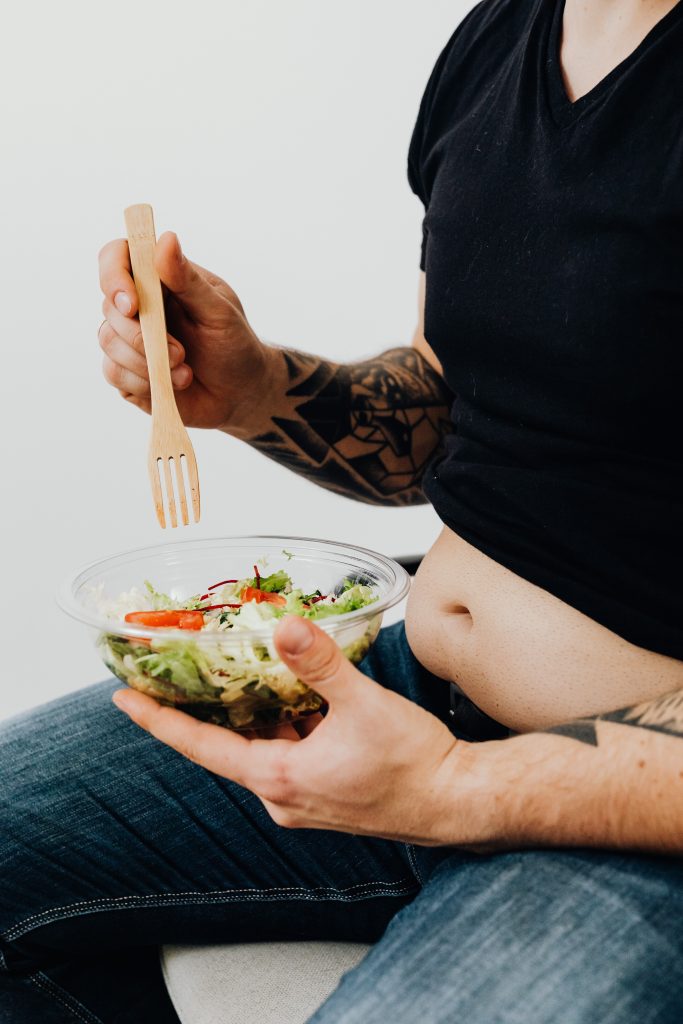
Weight loss is not always easy and sometimes it can feel like you’re doing everything right but the scale still won’t budge. This can be very frustrating and often leads people to just give up and quit their weight loss plan altogether. But sometimes there can be underlying causes to why you aren’t losing weight and they aren’t always as clear as you might think. The list below is only some possibilities in a vast list of underlying causes. If you still aren’t sure why your body is holding onto excess weight, we recommend seeking the help of a dietitian or nutritionist who can help you pinpoint exactly what is happening and offer a concise plan.
1. You Aren’t Tracking Your Foods

Food journaling is a majorly important component to a successful diet plan. Many people forget what they eat and the quantity, making it easy to overeat even the healthiest of foods. By adding all your foods to a food journal, you have the awareness of your nutrients as well as what the overall calorie count is. SureFiz trainers also recommend entering the calories before eating them so that you can make any necessary changes before the foods enter your mouth. Over time, this process gets easier and quicker as you learn more about common foods eaten in your daily diet.
2. You Aren’t Eating Enough Protein
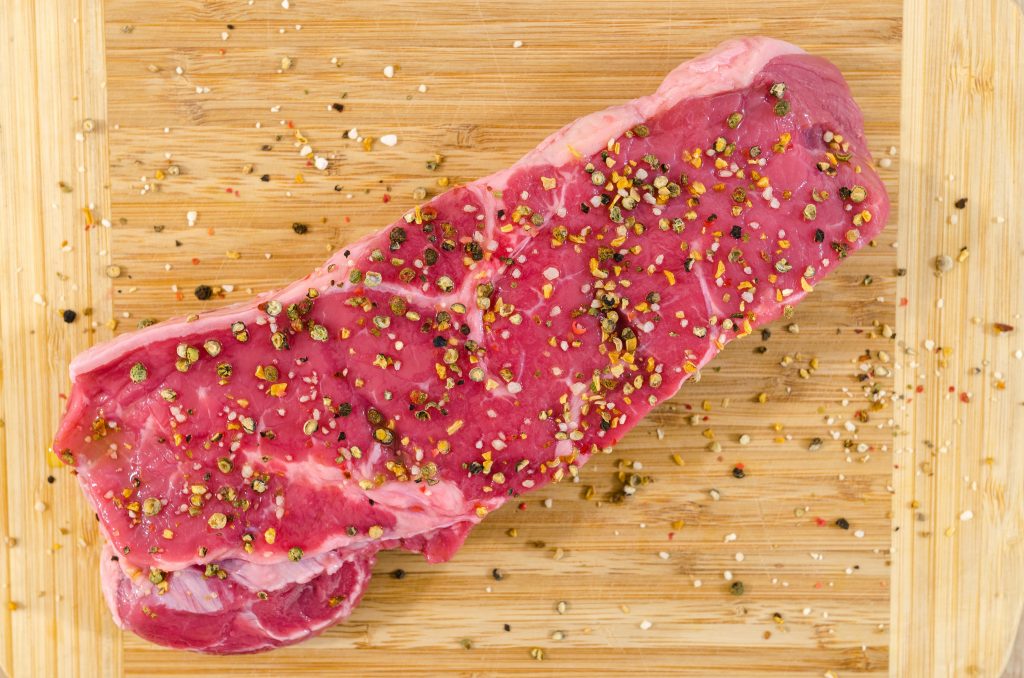
It may be surprising, but most people don’t get enough protein in their daily diet and over time this can affect your weight loss goals. Protein is a vital macronutrient in your diet and weight loss program and helps to build strong bones, muscles and joints. It also helps with satiation, making you feel fuller for longer than carbohydrates. Daily recommendations for protein can vary, but in general a range of 25-25% of daily calories is a healthy recommended range. Click here to check out our blog on healthy protein sources if you need some more ideas on increasing protein in your daily diet.
3. You Need to Drink More Water

Water is an important component of a healthy weight loss plan, and vital to daily survival. But still many people don’t drink enough daily water. According to Healthline, “In one 12 week study, people who drank half a liter of water 30 minutes before meals lost 44% more weight than those who did not. Drinking water has also been shown to boost the number of calories burned by 24-30% over a period of 1.5 hours”. It is also important to note that feelings of hunger and thirst can be confused. You may feel hungry when you are in fact dehydrated. If you find yourself feeling hungry during the day, but not sure if you should eat or drink, first try a glass of water and wait 20 minutes to see if your cravings are curbed. If you are truly hungry then you can have a small, healthy snack.
4. You’re Eating Too Fast

It takes time for the brain to realize that the stomach is full. A study by webmd revealed that it can take up to 12 minutes for the satiety signals to travel from the stomach to the brain, and potentially up to 20 minutes in an obese individual. If this is the case, when you eat too fast you can potentially ingest too many calories in one sitting before your brain realizes that you are actually full, and by that time it may be too late. With the fast-paced, on-the-go culture in our current world, sitting down to a slow relaxed meal can be a challenge. Setting aside the time to complete a meal can be one key to increasing success in your weight loss program, and it can also be helpful for your mindfulness in eating. Focusing on our meals instead of mindless eating can prevent overeating and making the wrong choices with our foods. Click here to learn more about overeating and how it may be affecting your weight loss success.
5. You’re Drinking Your Calories

It is easy to focus on the food you eat, but many people get a blind spot when it comes to drinks. Sugary coffee drinks, sodas, juices and alcoholic drinks can add the calories quickly. For instance, an average mocha coffee drink can pack up to 360 calories, and a margarita up to 500!! Drinking your calories almost always leads to eating more daily calories, as the drinks are often empty calories, which will not lead to adequate satiation. It doesn’t mean you need to completely give up your favorite drink, but in a weight loss program you need to view them more as occasional treats, not as daily staples. And make sure you log every drink in your food journal so you are aware of how it contributes to your overall daily intake.
6. You’re in a Plateau
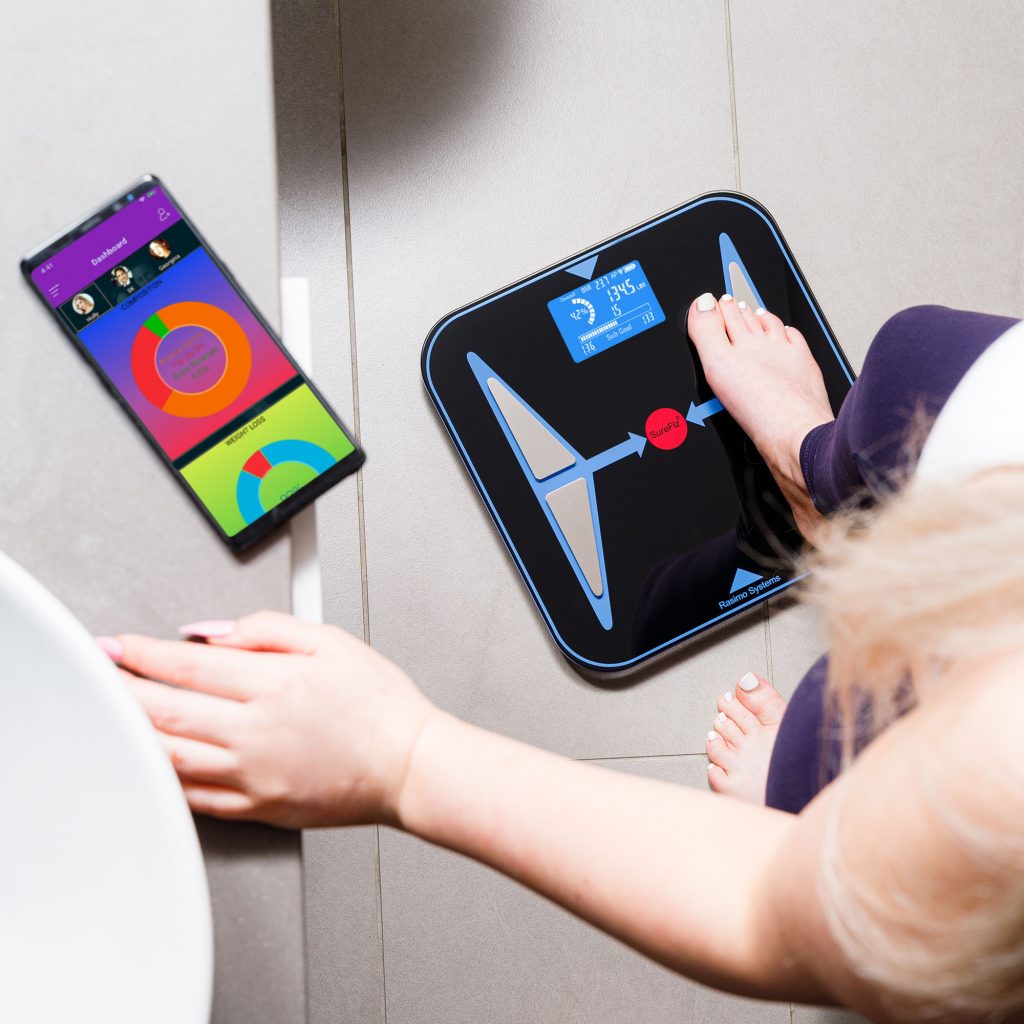
This may come as a surprise, but weight loss is not linear. Many people expect that once they are in a weight loss plan, they will lose the average 1-2 pounds per week and it will not vary. In reality, your body will undergo many changes as you progress on your weight loss journey and not all will be the same. Many people lose weight more quickly at first and the weight loss slows over time. This can be due to many factors including water weight loss, initial fat loss, etc. It is important to keep these things in mind and continue to use your SureFiz scale daily, as it will help you to track your overall progress and see the results over the long-term instead of only seeing what is happening in the current day or week. Discouragement often leads to giving up so you want to stay positive and know that even though it might not be a big weight loss week, you will see results if you stick with your diet plan.
7. You Have Underlying Health Conditions

There are many underlying factors and causes that can contribute to a lack of weight loss. If you find that you have been working hard, tracking calories, staying true to your workout program and you are not losing weight for a long period of time, you may have hormonal imbalances or some other health conditions that are playing a part. If you suspect you are experiencing some underlying health conditions that are contributing to your struggle to lose weight, you may find it helpful to make an appointment with your doctor, a dietitian, or even hormone specialist to help identify the potential underlying causes. There are many specialists who can guide you on your weight loss journey and with the proper diagnosis you can be back on track quickly to lose the weight for good and gain optimal health.
No matter what stage of your health and weight loss journey, you can expect some obstacles. It is not always easy and not always perfect, but it is truly rewarding once you reach that weight loss or fitness goal. Stay on course, continue to work hard and you will see results. Remember to check out surefiz.com and our social media accounts regularly for more diet and weight loss tips, recipes and workout plans. We are here with you for every step of your journey and we celebrate with you as you reach your weight loss goals!
]]>Deprecated: Creation of dynamic property WP_Term::$cat_ID is deprecated in /var/www/surefiz.com/html/forum/wp-includes/category.php on line 378
Deprecated: Creation of dynamic property WP_Term::$category_count is deprecated in /var/www/surefiz.com/html/forum/wp-includes/category.php on line 379
Deprecated: Creation of dynamic property WP_Term::$category_description is deprecated in /var/www/surefiz.com/html/forum/wp-includes/category.php on line 380
Deprecated: Creation of dynamic property WP_Term::$cat_name is deprecated in /var/www/surefiz.com/html/forum/wp-includes/category.php on line 381
Deprecated: Creation of dynamic property WP_Term::$category_nicename is deprecated in /var/www/surefiz.com/html/forum/wp-includes/category.php on line 382
Deprecated: Creation of dynamic property WP_Term::$category_parent is deprecated in /var/www/surefiz.com/html/forum/wp-includes/category.php on line 383
Deprecated: Creation of dynamic property WP_Term::$cat_ID is deprecated in /var/www/surefiz.com/html/forum/wp-includes/category.php on line 378
Deprecated: Creation of dynamic property WP_Term::$category_count is deprecated in /var/www/surefiz.com/html/forum/wp-includes/category.php on line 379
Deprecated: Creation of dynamic property WP_Term::$category_description is deprecated in /var/www/surefiz.com/html/forum/wp-includes/category.php on line 380
Deprecated: Creation of dynamic property WP_Term::$cat_name is deprecated in /var/www/surefiz.com/html/forum/wp-includes/category.php on line 381
Deprecated: Creation of dynamic property WP_Term::$category_nicename is deprecated in /var/www/surefiz.com/html/forum/wp-includes/category.php on line 382
Deprecated: Creation of dynamic property WP_Term::$category_parent is deprecated in /var/www/surefiz.com/html/forum/wp-includes/category.php on line 383
Do you need help finding some new exercises in the New Year? SureFiz trainer shares her favorite exercises to help you succeed in your weight loss journey

The New Year is upon us and as we welcome in 2021, many people are also looking for ways to achieve their New Year’s Resolutions or accomplish their weight loss goals. If you ever wondered what trainers think are the best exercises, our very own SureFiz trainer has compiled eight of her favorite exercises that she incorporates in her fitness routine for you to try as you sweat your way to weight loss. Try incorporating them into your weekly workout routine to see how well they work for you.
Exercises
Any exercise is a good exercise to help with healthy weight loss and staying fit. But many trainers have favorites—exercises that they feel are better for the whole body. The exercises we list here are what we call “more bang for your buck” exercises, allowing for integration of core work and multi-muscle group activation. When doing them correctly you can see your fitness level and your overall strength increase. These are certainly not all-inclusive; there are many exercises that help with full body strength and endurance. But these exercises are a good start to helping you reach your strength and fitness potential, as well as lose more weight for good.
1. Burpees

Burpees are a great full body bodyweight workout that can blast calories and fat, while getting the heart rate pumping. You will work your lower body during a squat position, upper body and shoulders as you drop down into a plank and the core for the entire exercise. Although they may sound intimidating, burpees can be modified so that almost anyone can do them. There are many variations of a burpee that can be done to make it more or less challenging, such as adding a pushup or dumbbells, adding exercises to make it more complex, or doing it on an elevated surface to make it easier. Here’s how to do a burpee:
- Stand with your feet hip-width apart, glutes engaged, core tight and knees slightly bent-not locked.
- Bend your knees more and reach forward as you bend over to place your hands on the floor, shoulder-width apart.
- Kick your legs straight out behind you into a plank position and immediately lower the entire body down to the ground, bending at the elbows, so that your chest touches the floor.
- Use your arms to quickly push your body back up while hopping your legs back under your body towards your arms and finish by exploding into a squat jump, hands overhead as you rise up.
- Repeat 10-15 times to complete a full set.
- To modify: You can use a chair or other elevated surface, or even a wall to do a burpee on and make the exercise less intense. Just follow the steps above placing your hands on a chair or the wall instead of the floor.
2. Squat Press

A squat press is another great full body exercise with more of a focus on strength than explosive cardio. But don’t let it fool you—a squat press can get your heart pumping and the sweat flowing almost as good as any cardio based exercise! In a squat press you will use legs to squat, arms to lift the weights overhead and the core to stabilize while you work. You will need a set of dumbbells or soup cans, or another weighted object to perform this exercise. Here’s how to perform a squat press:
- Start with your feet hip width apart, knees slightly bent and dumbbells near your shoulders.
- Slowly squat back and down as if you are sitting in a chair behind you, keeping the weights at shoulder height during your descent.
- As you rise back up, begin to lift the weights straight up above your shoulders until your arms are almost fully straight but not completely locked. Keep a slight bend in the knees as you come back to the starting position.
- Repeat 10-15 times to complete a full set.
3. Push-ups
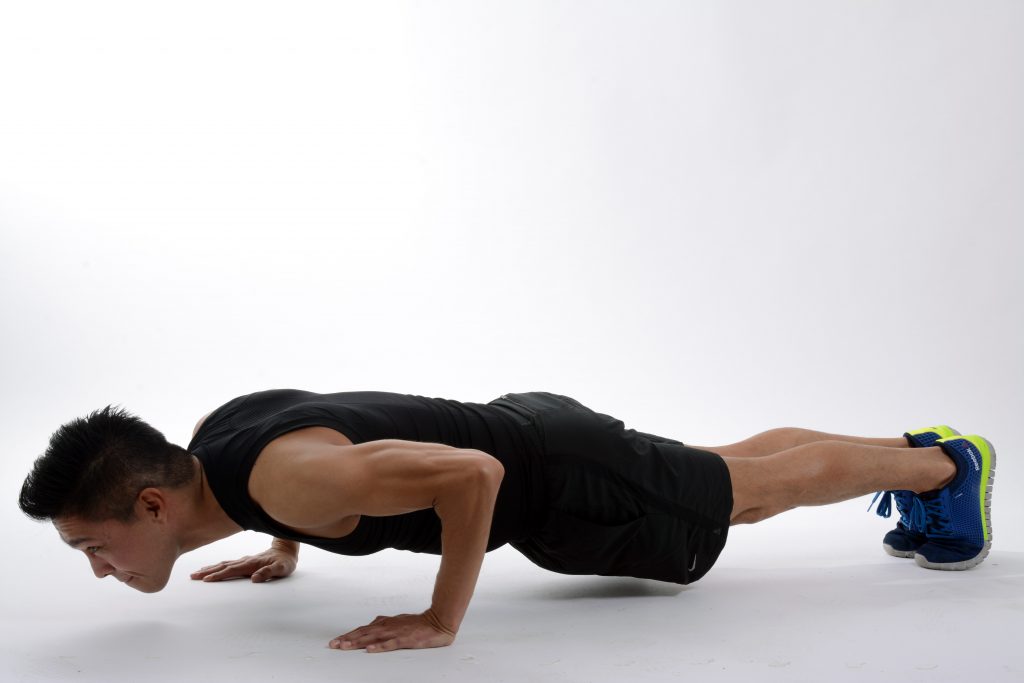
Push-ups are a great strength building bodyweight workout that engages multiple muscle groups for maximum calorie burn and weight loss. You don’t need anything except your body and a mat or the floor to perform them, and there are many modifications you can do to make this exercise effective for anyone at any fitness level. Here is how to do a push-up:
- Start in a high plank position and place your hands shoulder-width apart or slightly wider with shoulders stacked directly over wrists. Make sure your body is straight, knees are not locked, and your core and glutes are engaged.
- Begin to bend your elbows and lower the body to the ground, keeping it straight and angling your elbows at about a 45 degree angle behind you. Continue engaging the core and glutes to keep your back in neutral alignment and your whole body straight.
- Push back to the starting position at a high plank
- Repeat 10-15 times until you have reached full fatigue in the arm muscles.
- To modify: You can modify the exercise by doing the push-ups on your knees, or using an elevated surface like a chair or bench, or even by using the wall to do the push-up. Try each of the variations to see what works best for you.
4. Plank
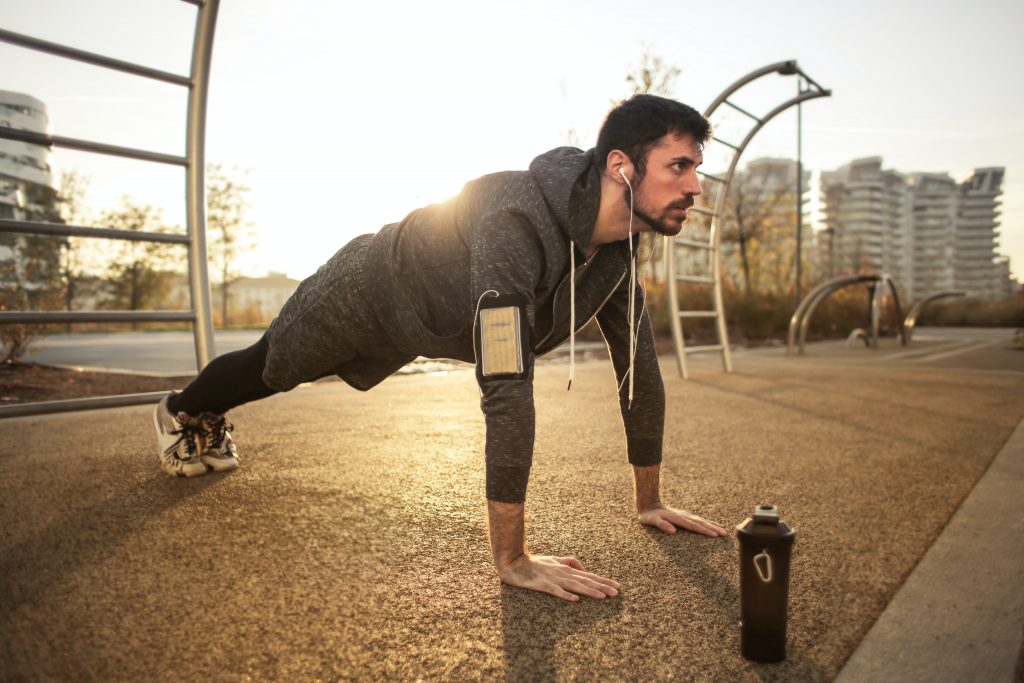
The plank is an excellent endurance and strength building exercise and is a favorite of many trainers. Because the abdominals are intended as stabilizers and not movers, the plank helps to strengthen them in a more effective way than other popular core exercises, such as a crunch. There are many ways to modify the plank to make it more or less challenging and to build intensity as you can increase the time a plank is held. Here is how to hold a plank:
- Place your hands directly under your shoulders, keeping your arms straight but elbows not locked
- Straighten your legs out and hold the body up by pushing onto your toes while continuing to stabilize with your arms. Keep a straight line with the body and look slightly in front of you to keep neutral alignment in the spine. Make sure you focus on keeping the core tight and engaged, as well as tightening the glutes to prevent sinking or bowing of the lower spine.
- Hold this position for 20 seconds to start, for 3-4 sets. As you build strength and endurance, you will be able to hold for longer and can work up to a full minute plank.
- To modify, you can do this exercise on your knees, on an elevated surface such as a chair or even on the wall until you are strong enough to hold a plank on the ground.
5. Bulgarian Split Squat
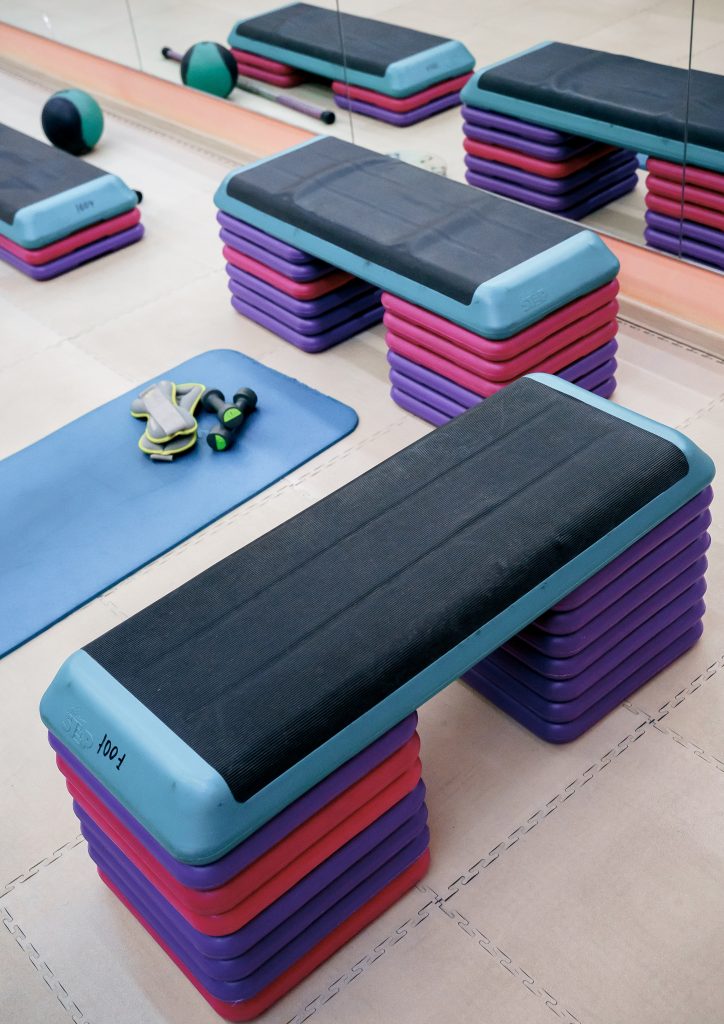
The Bulgarian split squat is an amazing strength building exercise using a step or bench that engages the quadriceps as a primary mover and also works the glutes, calves and hip flexors. You will also engage your core as the body works to balance with one foot elevated on a step. Here’s how to do a Bulgarian split squat:
- Stand in front of a box, chair or large step; facing away from the step. You can hold dumbbells, a barbell or just use body weight.
- Place one foot on the step behind you, making sure you are stepping far enough in front of the step to allow for a 90 degree angle on your knees was you descend. Make sure your front knee does not extend past the toes of your front foot.
- Perform 10-15 squats on your first leg, and then repeat on the second leg to complete your set.
6. Sumo Squat

The sumo squat (also known as a plié squat) is a variation of the traditional squat where you step your legs out wider and the toes are pointed outward to opposite corners of the room. This exercise is perfect to implement into a leg routine, as it activates the leg muscles differently than a traditional squat. As you do the exercise, engaging the core and glutes will also help to promote a larger grouping of muscles and feel more like a full body exercise, gaining the “more bang for your bucks” benefit in your weight loss program. Here’s how to do a sumo squat:
- Stand with legs in a wide stance-wider than a traditional squat with toes pointed outward, knees slightly bent. You can use one dumbbell held in both hands, or a dumbbell in each hand. This can also be done fully bodyweight.
- Slowly lower the body until your legs are close to a 90-degree angle, and thighs are parallel to the floor. Hold for one second, and then return to the starting position.
- Repeat the exercise 10-15 reps or until legs are too fatigued to continue.
7. Kettlebell or Dumbbell swings

Swings are a dynamic exercise that works your full body in one movement while scorching calories and blasting fat. The swing will strengthen your hamstrings, quadriceps, glutes, shoulders, core and more. With so much muscle activation in one movement, you can see why they are a popular move for many trainers. If you don’t have a kettlebell you can also use a single dumbbell or even double up with two dumbbells for a more challenging routine. Here’s how to do a kettlebell swing:
- Start in a standing position holding the kettlebell (or dumbbell) with both hands in between your legs. Legs should be a bit wider than hip width apart and toes pointed slightly outward.
- Gently lean forward while bringing the kettlebell behind your glutes as if you are performing a deadlift or modified squat. Legs should be slightly bent as you hinge at the hips but not so deep as in a squat.
- Next, swing up and forward with the hips while swinging the kettlebell up and out in front of you. Keep your abs and glutes engaged to make sure you are not putting pressure on your lower back during the movement. Stop shortly above shoulder height.
- Repeat this move for 10-15 reps until you reach fatigue. The kettlebell swing will offer benefits of both strength resistance and cardio, which will burn calories faster allowing for greater fat loss and overall weight loss.
8. Jumping Jacks

You might be one of many who overlook jumping jacks in adulthood and think they are meant for middle school PE class. But in all honesty, jumping jacks are an amazing way to burn calories quickly, and work your entire body at the same time! If you do them correctly they can be a valuable piece of any weight loss workout routine. Here’s how to do jumping jacks correctly:
- Stand up straight with arms at your side and knees slightly bent, not locked.
- Jump your legs out laterally at the same time, while bringing the arms out and up overhead, so that your hands almost meet above your head.
- Jump in again while bringing your arms back down to the starting position at your sides.
- Repeat for 30 seconds or a 10-15 count, whichever leads to full fatigue and cardio/heart rate increase.
Many people think that there needs to be a complicated routine or fancy gym equipment to reach their weight loss and fitness potential, but in reality many of these classic simple moves can be done on a regular basis to help you reach your goals. By implementing these moves into your weekly routine, you will see lasting weight loss results while you get stronger and faster. Remember to eat a healthy, balanced diet and fuel yourself correctly before each workout. If you need tips for a healthy breakfast, click here for some easy, tasty ideas. Don’t forget to step on your SureFiz scale each day to track your progress and receive personalized guidance along your weight loss journey. SureFiz scale truly offers the secret sauce to weight loss, and we can help you reach your diet and weight loss goals.
]]>Deprecated: Creation of dynamic property WP_Term::$cat_ID is deprecated in /var/www/surefiz.com/html/forum/wp-includes/category.php on line 378
Deprecated: Creation of dynamic property WP_Term::$category_count is deprecated in /var/www/surefiz.com/html/forum/wp-includes/category.php on line 379
Deprecated: Creation of dynamic property WP_Term::$category_description is deprecated in /var/www/surefiz.com/html/forum/wp-includes/category.php on line 380
Deprecated: Creation of dynamic property WP_Term::$cat_name is deprecated in /var/www/surefiz.com/html/forum/wp-includes/category.php on line 381
Deprecated: Creation of dynamic property WP_Term::$category_nicename is deprecated in /var/www/surefiz.com/html/forum/wp-includes/category.php on line 382
Deprecated: Creation of dynamic property WP_Term::$category_parent is deprecated in /var/www/surefiz.com/html/forum/wp-includes/category.php on line 383
Exercise is vital to any weight loss program and for maintaining a healthy body, but at what point does it become an unhealthy problem and potential addiction?

Eating right and getting regular exercise are known to be vital to any weight loss program. Many people looking to get healthy and lose weight in the New Year will be turning to exercise and healthier foods. But for a small amount of the population, exercise can actually become an addiction. According to Psychology Today, approximately 3 percent of the population suffers from exercise addiction and their strive for physical fitness may actually do more harm than good. Exercise addiction can be described as an unhealthy obsession with physical fitness and exercise, and can often be a result of similar disorders like eating and body image disorders. Symptoms of exercise addiction are very similar to symptoms of other addictions, such as “obsessing over the behavior, engaging in the behavior even though it’s causing physical harm, engaging in the behavior despite wanting to stop, and engaging in the behavior in secret” (source: healthline).
How Does Someone Become Addicted to Exercise?
Exercise addiction can begin with someone who simply has a desire for better physical fitness but can become out of control when they become dependent on it. Individuals who suffer from eating disorders such as anorexia nervosa or bulimia nervosa, or those with body dysmorphic disorder may be more likely to become addicted to exercise as well. Exercise addiction can also be found in distance and endurance athletes such as marathon runners, triathletes and others who run for long miles many days a week. Exercise releases endorphins and dopamine, which are also known as feel-good hormones. These are the same neurotransmitters released during drug use. An exercise addict feels reward and joy when exercising. When they stop exercising, the neurotransmitters go away. An addict has to exercise more to trigger the chemical release (source: healthline). The need to increase exercise to reach the high leads to an addiction.
Psychology Today explains exercise addiction as the following: “In a nutshell, exercise addiction is an overzealous pursuit of physical activity persisted in despite physical, emotional, and social consequences. Its symptoms are similar to those of any addiction, except the drug of choice in this case is fitness”. They list seven possible symptoms of exercise addiction. Individuals can suffer from any or all symptoms to be considered suffering from addiction, but the more symptoms noticed the higher likelihood of an actual addiction versus an exercise enthusiast:
- Tolerance: Needing more and more of the initial activity to achieve sought-after effects (for example, the “runner’s high” or an endorphin rush).
- Withdrawal: Feelings of anxiety, fatigue, irritability, or other unenjoyable emotional and physical experiences on days when one is unable to workout as planned.
- Intention Effect: Repeatedly exceeding planned-upon limits to the amount of time spent exercising.
- Lack of Control: Experiencing one’s physical activity habits as difficult or impossible to keep at manageable levels.
- Time: Far more time is spent exercising than is recommended by medical or fitness professionals and planning, engaging in, or recovering from physical activity consumes a noticeably large portion of one’s days and weeks.
- Reductions in Other Activities: Social, work-related, and leisure endeavors are sidelined to prioritize fitness—often, to the detriment of one’s emotional and interpersonal wellbeing.
- Continuance: One persists in physical activity despite illness, injury, negative psychological outcomes, or medical advice to taper down or take a break. (Retrieved from: Psychology Today)
How to Tell if Someone is Addicted to Exercise or just an Enthusiast
Ian Cockerill, a sports psychologist at the University of Birmingham, England, puts it very simply; “Healthy exercisers organize their exercise around their lives, whereas dependents organize their lives around their exercise” (Retrieved from webmd). If an individual enjoys exercise and seems to work out a lot but doesn’t exhibit any of the seven symptoms above (or maybe just one or two), then he or she is likely an enthusiast or avid exerciser and not necessarily addicted to exercise. Once behavior is exhibited similar to addictions of other forms (i.e. drugs, alcohol or eating disorders), then the individual is more likely suffering from an exercise addiction. Exercise addiction is not only dangerous mentally but can also be dangerous physically–as exercise increases so does the risk of injury. Many exercise addicts will continue to work out during injury or illness which sets them up for dangerous long term physical effects.
How to Overcome Exercise Addiction
Currently, exercise addiction is not a classifiable mental illness that can be diagnosed or treated with medication. Additionally, many individuals who suffer from exercise addiction don’t see it as an addiction because it is perceived as a healthy behavior. But even healthy behaviors can be taken overboard and become potentially damaging or unhealthy if they become an addiction. If an individual is suffering from an exercise addiction, most experts recommend self control as a means to help overcome exercise addiction. It is possible that an individual will need to take a break from exercise (temporarily) to help get control over the urges to exercise and the feelings of needing to excessively exercise each day.
No matter the struggle during a weight loss journey, SureFiz can help. Our patented all-inclusive program takes the guesswork out of weight loss. Check out the features in our app to help guide and direct each step of your weight loss journey. Our diet plans, workout plans and healthy tips can help you get the most out of your exercise and weight loss program. Check out our website or any of our social media channels for more tips and encouragement, along with advice to guide your journey.
]]>Deprecated: Creation of dynamic property WP_Term::$cat_ID is deprecated in /var/www/surefiz.com/html/forum/wp-includes/category.php on line 378
Deprecated: Creation of dynamic property WP_Term::$category_count is deprecated in /var/www/surefiz.com/html/forum/wp-includes/category.php on line 379
Deprecated: Creation of dynamic property WP_Term::$category_description is deprecated in /var/www/surefiz.com/html/forum/wp-includes/category.php on line 380
Deprecated: Creation of dynamic property WP_Term::$cat_name is deprecated in /var/www/surefiz.com/html/forum/wp-includes/category.php on line 381
Deprecated: Creation of dynamic property WP_Term::$category_nicename is deprecated in /var/www/surefiz.com/html/forum/wp-includes/category.php on line 382
Deprecated: Creation of dynamic property WP_Term::$category_parent is deprecated in /var/www/surefiz.com/html/forum/wp-includes/category.php on line 383
Deprecated: Creation of dynamic property WP_Term::$cat_ID is deprecated in /var/www/surefiz.com/html/forum/wp-includes/category.php on line 378
Deprecated: Creation of dynamic property WP_Term::$category_count is deprecated in /var/www/surefiz.com/html/forum/wp-includes/category.php on line 379
Deprecated: Creation of dynamic property WP_Term::$category_description is deprecated in /var/www/surefiz.com/html/forum/wp-includes/category.php on line 380
Deprecated: Creation of dynamic property WP_Term::$cat_name is deprecated in /var/www/surefiz.com/html/forum/wp-includes/category.php on line 381
Deprecated: Creation of dynamic property WP_Term::$category_nicename is deprecated in /var/www/surefiz.com/html/forum/wp-includes/category.php on line 382
Deprecated: Creation of dynamic property WP_Term::$category_parent is deprecated in /var/www/surefiz.com/html/forum/wp-includes/category.php on line 383
Deprecated: Creation of dynamic property WP_Term::$cat_ID is deprecated in /var/www/surefiz.com/html/forum/wp-includes/category.php on line 378
Deprecated: Creation of dynamic property WP_Term::$category_count is deprecated in /var/www/surefiz.com/html/forum/wp-includes/category.php on line 379
Deprecated: Creation of dynamic property WP_Term::$category_description is deprecated in /var/www/surefiz.com/html/forum/wp-includes/category.php on line 380
Deprecated: Creation of dynamic property WP_Term::$cat_name is deprecated in /var/www/surefiz.com/html/forum/wp-includes/category.php on line 381
Deprecated: Creation of dynamic property WP_Term::$category_nicename is deprecated in /var/www/surefiz.com/html/forum/wp-includes/category.php on line 382
Deprecated: Creation of dynamic property WP_Term::$category_parent is deprecated in /var/www/surefiz.com/html/forum/wp-includes/category.php on line 383
As the 2021 New Year approaches, Americans will set a resolution to eat healthier or lose weight. Here are some tips to help the resolution last all year long.

With every New Year comes a fresh start, and an opportunity to reflect on areas of growth. According to a recent poll on finder.com, an estimated 188.9 million American adults (approximately 74% of the population) have admitted they will set a 2021 New Year’s resolution. Approximately 45% of those claim to be setting a health related resolution, such as weight loss or diet changes. But sadly, according to Psychology Today, an estimated 40% of resolutions fail by March and only 10% of people on average keep their resolutions until the following December.
How to Make a Strong Resolution
Luckily there are some tips and tricks to help you keep your New Year’s Resolution. The first thing to do is make sure you are setting a resolution that is actually destined for success. Instead of setting lofty, unattainable goals that would set you up for failure (like trying to lose too much weight in too short of a time), sitting down and analyzing why a goal is being set and writing out steps to succeed can help minimize chances that the goal will fail shortly into the New Year. In goal setting, the acronym S.M.A.R.T. can be extremely helpful:
Specific: Is the goal specific, well defined, clear and unambiguous?
Measurable: Set criteria to help measure progress towards the accomplishment of the goal
Achievable: Make sure the goal is attainable and not impossible to achieve
Realistic: The goal is within reach, realistic and relevant
Timely: The goal needs to have a clearly defined timeline, including a start date and target end date. [Retrieved from corporatefinanceinstitute.com]
If your New Year’s resolution in 2021 is to “lose more weight”, breaking it into a S.M.A.R.T goal would be to break it down into smaller subgoals, such as 1 to 2 pounds per week. If you need to lose 20 pounds, your time limit on the goal needs to fit within healthy guidelines for weight loss. So your goal should be to lose 20 pounds by April-May if you begin the first week of January. The SureFiz scale and program helps to break down weight loss goals into smaller subgoals that help you attain the overall weight loss goal more efficiently. It takes the guesswork out of weight loss for you! Be sure you are using the app to help aid you as you set your New Year’s resolutions.
Tips for Long-term success

Another way to ensure you can achieve long-term success with your weight loss resolution is to look at possible obstacles you will face. If your goal is to eat less sugar, but you have a weekly meeting where donuts are offered, you want to find ways to overcome this obstacle before it is facing you. An example of how to handle this could be to either make sure you have eaten before the weekly meeting and aren’t hungry, or sit as far away from the donuts as possible, or even bring a healthy snack option for yourself if you feel the need to eat something. Substituting a healthier habit for your current habit is a strong, proven method to successful behavior modification, according to Psychology Today.
A common obstacle in behavior change and goal setting is what we do when we fail. A few missteps are to be expected on a weight loss journey, such as eating the donut or a piece of pizza. Studies of behavior modification show that our self-talk and self-stories can be extremely powerful motivators in whether we see long-term success (Source: nbcwashington). If you eat the donut or the pizza and then tell yourself you are a failure and can’t stick to the diet plan, then you are much more likely to fail. SureFiz trainer Jenn Ryan recommends preparing ahead of time for small failures and having a positive self-talk response ready to combat any negative feelings. If you are more likely to think you cannot accomplish a goal, then you will most definitely quit at the first sign of challenge. Be ready for these moments with positive reinforcement. An example would be, “One donut won’t ruin my diet. I can start fresh with my healthy lunch and get right back on track. I can do this!” Preparing a positive response before you are faced with your challenging situation will ensure that you actually respond positively and can pivot quickly to get back on course.
New Years resolutions may be tough to keep, but they are not impossible. When it comes to weight loss and diet help, SureFiz is the best tool to help you not only lose the weight but keep it off for good. We can help you be one of the 10-20% of the population who keeps their resolution by the end of 2021. Be sure to check out our website for more diet tips, healthy recipes and weight loss inspiration to keep you motivated throughout the entire year.
]]>Deprecated: Creation of dynamic property WP_Term::$cat_ID is deprecated in /var/www/surefiz.com/html/forum/wp-includes/category.php on line 378
Deprecated: Creation of dynamic property WP_Term::$category_count is deprecated in /var/www/surefiz.com/html/forum/wp-includes/category.php on line 379
Deprecated: Creation of dynamic property WP_Term::$category_description is deprecated in /var/www/surefiz.com/html/forum/wp-includes/category.php on line 380
Deprecated: Creation of dynamic property WP_Term::$cat_name is deprecated in /var/www/surefiz.com/html/forum/wp-includes/category.php on line 381
Deprecated: Creation of dynamic property WP_Term::$category_nicename is deprecated in /var/www/surefiz.com/html/forum/wp-includes/category.php on line 382
Deprecated: Creation of dynamic property WP_Term::$category_parent is deprecated in /var/www/surefiz.com/html/forum/wp-includes/category.php on line 383
Deprecated: Creation of dynamic property WP_Term::$cat_ID is deprecated in /var/www/surefiz.com/html/forum/wp-includes/category.php on line 378
Deprecated: Creation of dynamic property WP_Term::$category_count is deprecated in /var/www/surefiz.com/html/forum/wp-includes/category.php on line 379
Deprecated: Creation of dynamic property WP_Term::$category_description is deprecated in /var/www/surefiz.com/html/forum/wp-includes/category.php on line 380
Deprecated: Creation of dynamic property WP_Term::$cat_name is deprecated in /var/www/surefiz.com/html/forum/wp-includes/category.php on line 381
Deprecated: Creation of dynamic property WP_Term::$category_nicename is deprecated in /var/www/surefiz.com/html/forum/wp-includes/category.php on line 382
Deprecated: Creation of dynamic property WP_Term::$category_parent is deprecated in /var/www/surefiz.com/html/forum/wp-includes/category.php on line 383
With so much information online regarding weight loss and dieting, it can be hard to know what is true vs. speculation. Here is some insight to decipher these myths.
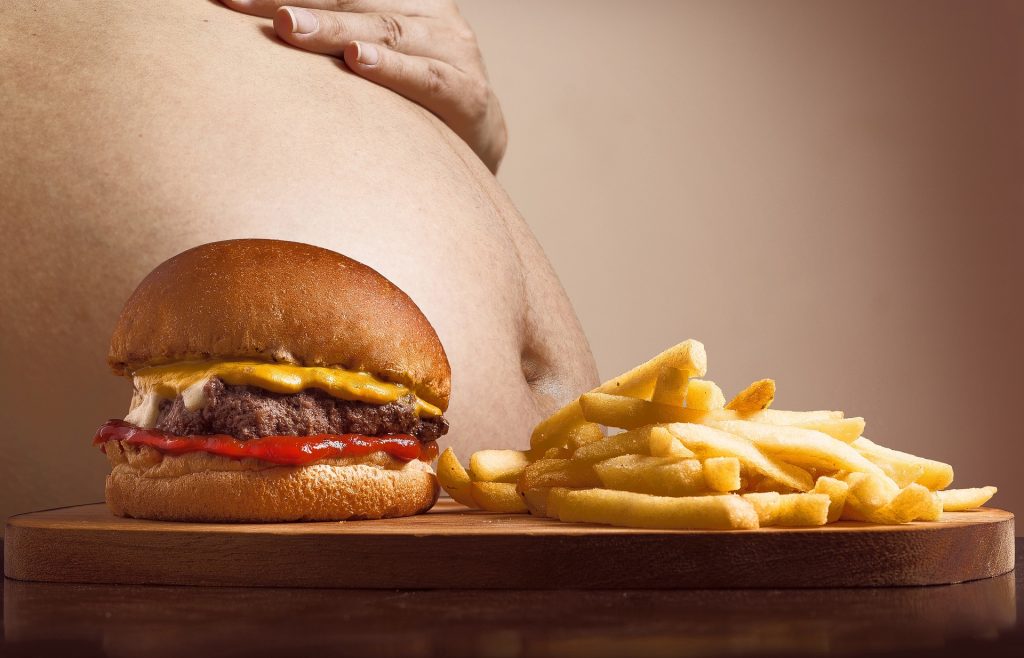
The information age has brought with it many wonderful adaptations to help us when we need information. The Internet can be incredibly helpful when needing to find diet advice during your weight loss journey. But with this endless information can also bring a lot of myths, which can confuse even the savviest of dieters. Although there are many myths and misconceptions when it comes to weight loss, we have found 6 that affect not only your mindset and preconceived notions but can also affect your success on your weight loss journey.
1. All overweight people are unhealthy, and skinny people are all healthy

This misconception can cause an unhealthy mentality for someone trying to lose weight; they may get discouraged and compare themselves in the gym when looking at others of different sizes. Although obesity is a precursor for other health problems such as heart disease, diabetes and more, it is not a guarantee. Many naturally thin people also have health problems. Weight and body size is also not an indicator of fitness level, as genetics can play a part in body size. There are many naturally thin people with smaller bone structure who don’t work out or watch their food intake. Realizing this can help you avoid pre-judgment and unhealthy mental comparisons. Everyone is on an individual weight loss journey and has unique goals.
2. Weight loss is always linear

Losing weight is not a linear process and the misconception that it is can be very discouraging when you’re trying to lose weight. It is normal for the body to fluctuate weight and can be based on many factors, including water retention, salt intake, menstrual cycles for women and other factors. If you lose 3 pounds one week and gain back one pound the next week, don’t stress. Your overall goal is what is most important in the weight loss journey.
3. Snacking is bad when dieting
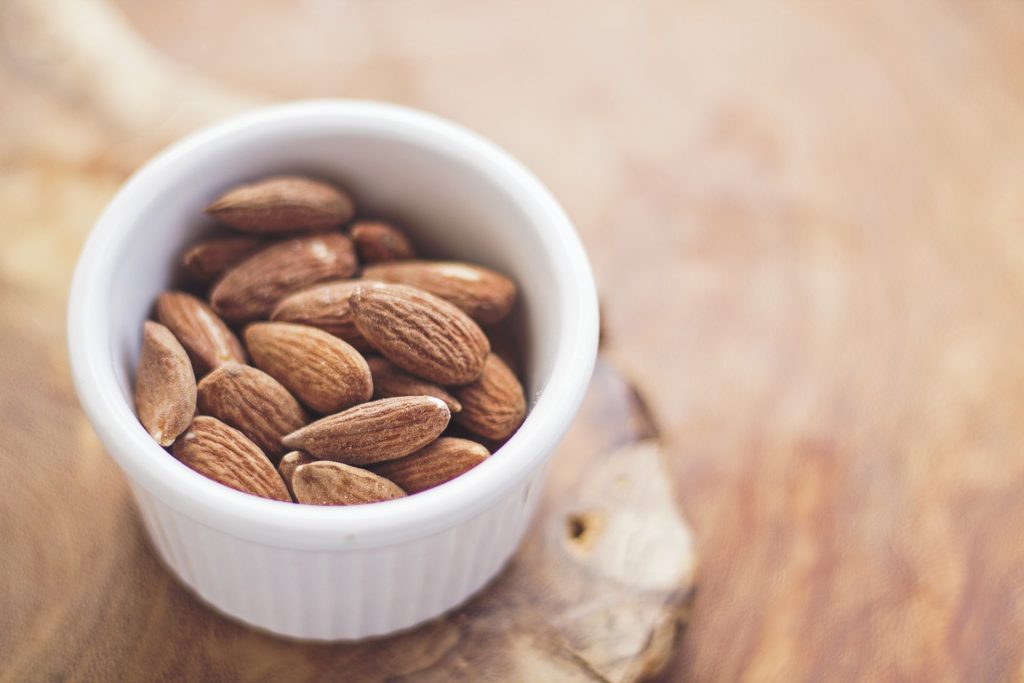
It may seem that snacking all day would hinder a weight loss plan, and it definitely can—but it doesn’t have to be that way. According to webmd, dietitians recommend eating 5 smaller meals throughout the day can help stave off hunger and the urge to overeat. “One of the main reasons snacking has a bad rap is because of the choices we make from, say, vending machines that are packed with chips, cookies, candies, and other delectable — and fattening — treats. The good news is we’re not all chomping on candy bars come 4 p.m. — a whopping 70% of Americans use snacking as a way to incorporate fruits and vegetables into their diets, according to the Produce for Better Health Foundation ”. Finding healthy choices for your snacks is the most important factor. Some healthy choices are: carrots and hummus, apple and almond butter, or grapes and string cheese.
4. Carbohydrates make you gain weight
Low carbohydrate diets have become quite the trend in recent years, but are they the healthiest choice? The answer is a bit more complex. While a lower carbohydrate, higher protein diet can lead to weight loss; it doesn’t mean it is the only way to lose weight. Carbohydrates are a necessary form of fuel that the body needs to function well on a daily basis. It is more important to look at the type of carbohydrates being eaten. Overly processed white breads, sugary pastries, and processed foods are all unhealthy sources of carbohydrate fuel. Conversely, whole grain breads, rice and quinoa are highly nutritious and offer healthy fiber to a daily diet as well. If you are consciously choosing healthy sources of carbohydrates, you will find they compliment your diet and weight loss plan while also offering a source of fuel necessary to get you through the day.
5. Fast food is always fattening
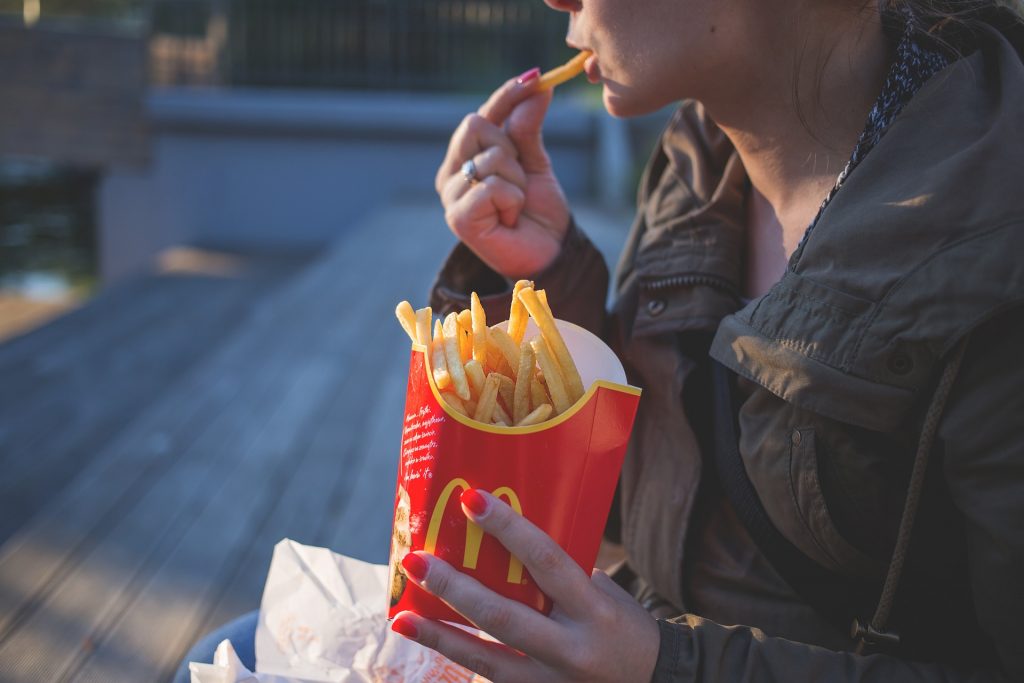
When given the option, making your own healthy food at home is generally the best option. However, don’t fully write off that fast food restaurant as a quick option when you are trying to lose weight. Many fast food restaurants offer healthy options for the diet conscious consumer. According to Healthline, it is possible to get something relatively healthy at most fast food restaurants. If you’re on the go and need a fast stop, make sure you look for grilled chicken, a salad option or even order a burger without the overly processed bun. Many restaurants also offer nutrition information on their website or menu, so you can make an informed decision before placing your order.
6. Cardio is best for weight loss
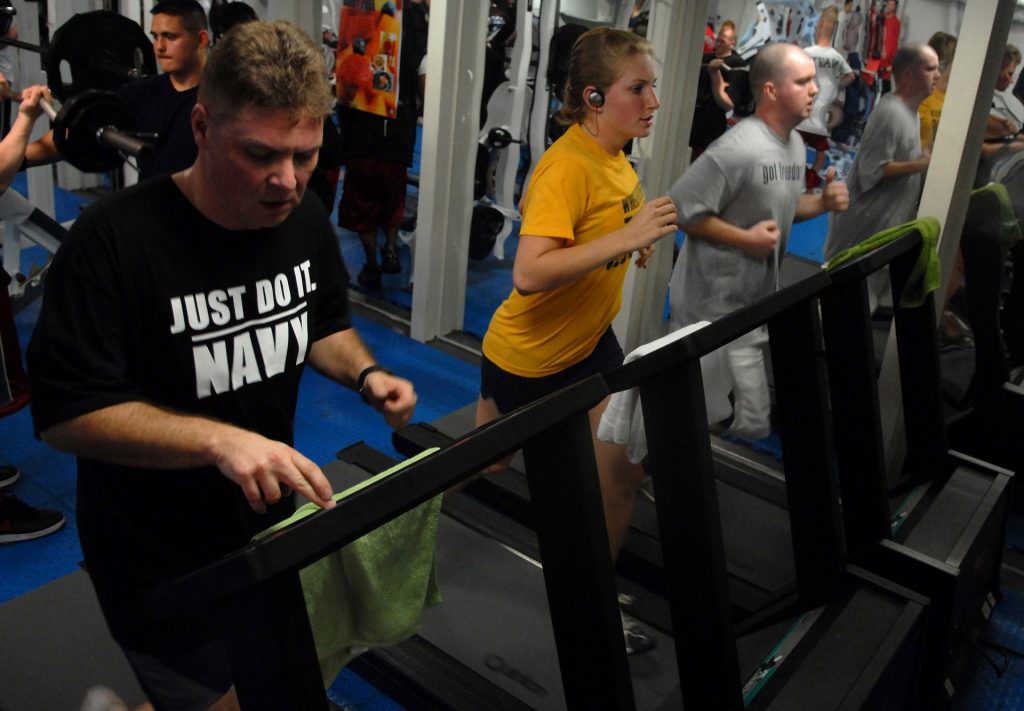
Many people attempting to lose weight will hit the cardio machines and overdo it. While cardio is a great way to get your heart rate up, burn calories and lose weight, it isn’t the only way and a holistic, variety filled fitness plan is a better choice for long term results. Lifting weights is an often-overlooked component for new dieters because cardio is seen as a more effective calorie burn. But weight lifting can be just as effective in the short term and even more effective in the long term. Lifting weights helps to build lean muscle that is so important to overall health. Lean muscle mass also burns more calories over time, so having more muscle strength on the body will help it to be more efficient in the long run. Resistance training through weight lifting should be incorporated at least 2-3 times per week for maximum results. SureFiz trainer Jenn Ryan suggests finding a weight load that is heavy enough to fatigue the muscles in 12-15 reps. Lifting weights that are too light will not produce the desired weight loss results in your fitness plan, so grab some heavier weights and push yourself!
Although it can be overwhelming to have so much information available at the click of a button, doing a little bit more research can help you find more success in your weight loss program. Visit surefiz.com for more helpful tips, diet advice, recipes and workout tips. Be sure to follow us on instagram, twitter or facebook to see our updates and daily inspiration.
]]>