Deprecated: Creation of dynamic property WP_Term::$cat_ID is deprecated in /var/www/surefiz.com/html/forum/wp-includes/category.php on line 378
Deprecated: Creation of dynamic property WP_Term::$category_count is deprecated in /var/www/surefiz.com/html/forum/wp-includes/category.php on line 379
Deprecated: Creation of dynamic property WP_Term::$category_description is deprecated in /var/www/surefiz.com/html/forum/wp-includes/category.php on line 380
Deprecated: Creation of dynamic property WP_Term::$cat_name is deprecated in /var/www/surefiz.com/html/forum/wp-includes/category.php on line 381
Deprecated: Creation of dynamic property WP_Term::$category_nicename is deprecated in /var/www/surefiz.com/html/forum/wp-includes/category.php on line 382
Deprecated: Creation of dynamic property WP_Term::$category_parent is deprecated in /var/www/surefiz.com/html/forum/wp-includes/category.php on line 383
Deprecated: Creation of dynamic property WP_Term::$cat_ID is deprecated in /var/www/surefiz.com/html/forum/wp-includes/category.php on line 378
Deprecated: Creation of dynamic property WP_Term::$category_count is deprecated in /var/www/surefiz.com/html/forum/wp-includes/category.php on line 379
Deprecated: Creation of dynamic property WP_Term::$category_description is deprecated in /var/www/surefiz.com/html/forum/wp-includes/category.php on line 380
Deprecated: Creation of dynamic property WP_Term::$cat_name is deprecated in /var/www/surefiz.com/html/forum/wp-includes/category.php on line 381
Deprecated: Creation of dynamic property WP_Term::$category_nicename is deprecated in /var/www/surefiz.com/html/forum/wp-includes/category.php on line 382
Deprecated: Creation of dynamic property WP_Term::$category_parent is deprecated in /var/www/surefiz.com/html/forum/wp-includes/category.php on line 383

When it comes to weight loss, not all diets are created equal. Here are some of the pros and cons of the most common diet trends to help you decide if one is right for you.
If you have ever looked at all the diet trends and been confused, you aren’t alone. There are many different types of diets on the market and they all advertise maximum weight loss and health benefits. But with so many options how does someone know which ones truly work at minimizing fat and helping drop the pounds for lasting weight loss? Our SureFiz trainer and health coach helps to give a brief analysis of the pros and cons for some of the most popular diets currently trending to help you decide if any of them are a good fit for your weight loss goals.
The Keto Diet
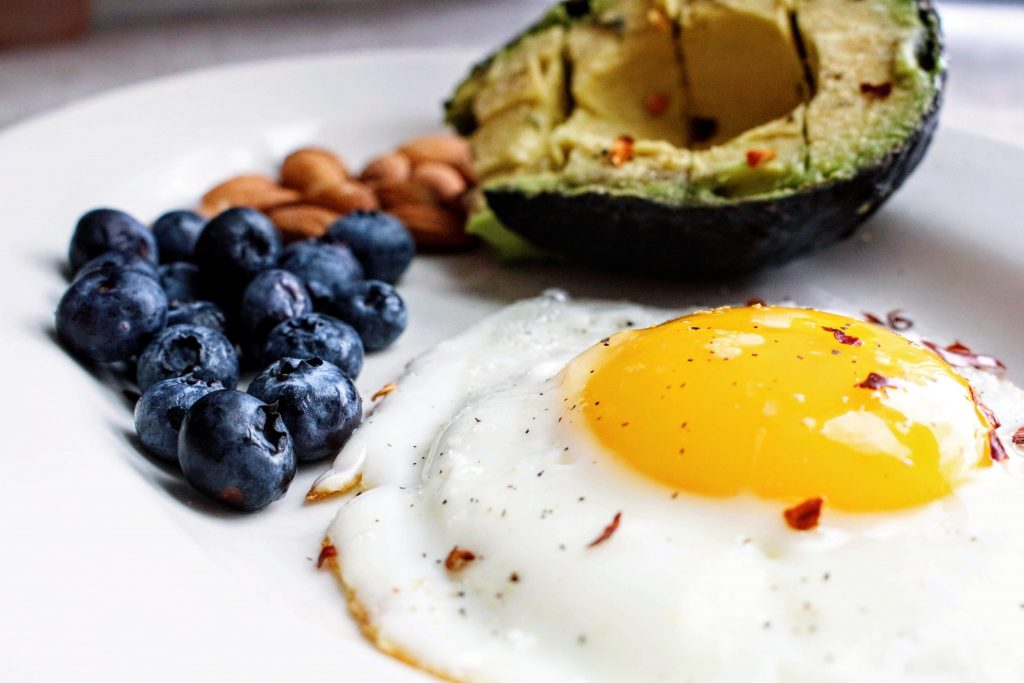
The ketogenic diet (or keto diet) has been trending for the past few years as a diet to promote weight loss. But it has been traced back to as early as 1921, and was used to treat epilepsy. The main concept behind the diet is to eat a daily diet consisting of mostly fats and very low carbs, which puts the body in a state of ketosis, where it burns fat as fuel instead of carbohydrates. Because almost all of the carbohydrates are removed from the daily diet, there are no longer any reserves available, which leads to burning more body fat for fuel. Some types of plans have users eating 70% or more of daily fats, with carbs as low as 5%. Most keto diet followers also maintain a low to moderate protein intake.
While the keto diet is not necessarily restrictive in food groups (for instance, dairy or meats or gluten), it can be a lot harder to follow than it seems. In order to stay in ketosis, the low carb balance must be maintained at all times, which doesn’t allow for any breaks, days off or cheat days to balance out a diet. Over time, the diet becomes extremely hard to maintain and many people cannot stay on it for extended periods of time. Some doctors also have concerns about long term effects of eating such large amounts of fats on other systems in the body, such as the heart, liver, pancreas, etc. For a more in depth look at the keto diet, click here.
Paleo Diet
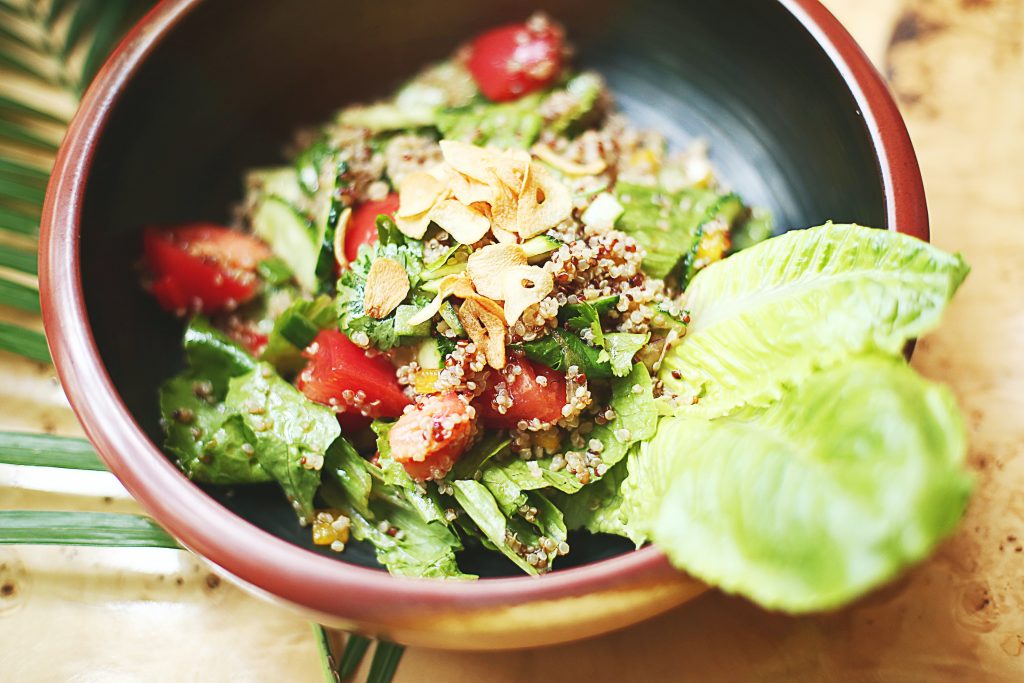
The Paleo diet is another recent trending diet for weight loss, although it also didn’t originate as a weight loss diet alone. The purpose behind the Paleo diet is that current farming and manufacturing trends have created more processed foods than our bodies can handle and that by eating like our ancestors with whole foods and foods from the earth, we can greatly lower our disease risk and our bodies will be overall healthier. For most people who follow the Paleo diet, weight loss is a side effect of eating less sugar, less processed foods and focusing on more nutrient dense food groups to supply daily fuel for the body.
The Paleo diet can be restrictive, as it doesn’t allow many grains/gluten, no dairy and no added sugars (some natural options like dates can be an exception). The overall focus of the diet is a healthy one, with many people benefitting from eliminating fast food, processed junk food and sugars from their daily diet. This diet can become challenging over time as well, with major food groups being eliminated. The sustainability long term is questionable. If you need to go on vacation or out to dinner, your choices are slim as many restaurants use ingredients that are not considered ok by the Paleo diet standards. For a more in depth look at the Paleo diet, click here.
Whole 30 Diet
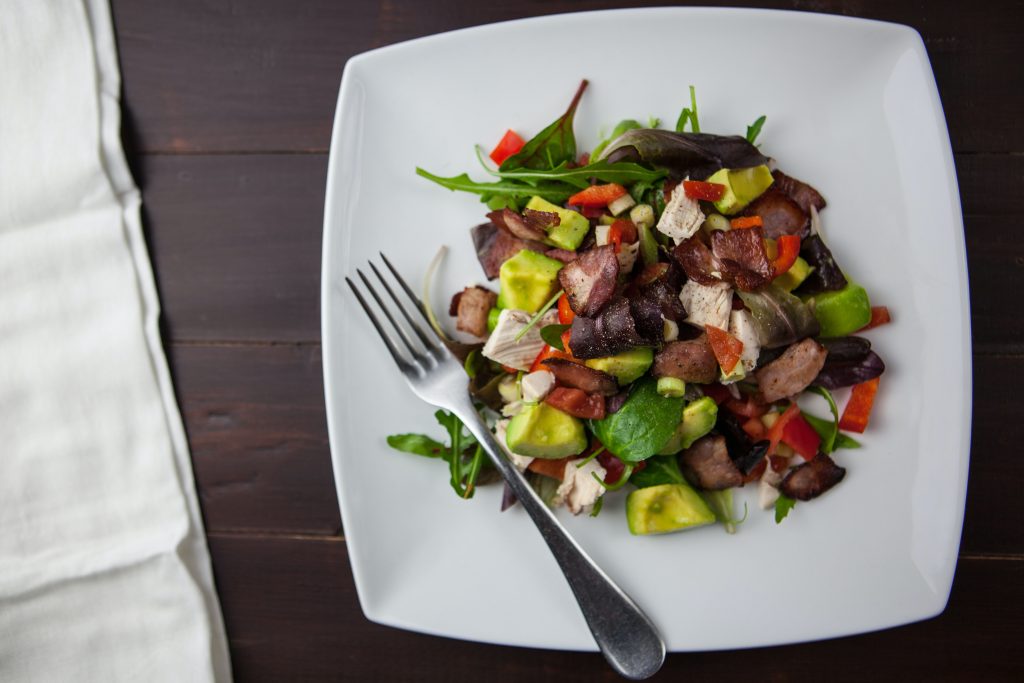
The Whole 30 diet is extremely similar in concept to the Paleo diet, with a few more restrictions. Like the other diets mentioned above, the Whole 30 diet was not originally intended as a weight loss diet but was created by Nutritionists Dallas and Melissa Hartwig as an elimination diet to help pinpoint food allergies or food intolerances. The Whole 30 eliminates many high allergen food groups, such as gluten, grains, dairy, beans and legumes, sugar and any processed foods. The main staple of the diet is Meat, eggs, fruit and vegetables, and users are intended to stay on the diet for 30 days, then slowly integrate food groups back in to see if there is a negative response in the body.
The Whole 30 is considered in some ways to be a more extreme version of the Paleo diet, as the Paleo diet will allow some sugars and more grains than the Whole 30. But the Whole 30 concept is also not intended to be utilized for more than 30 days, making it a bit more achievable as a short term weight loss diet plan. For maximum weight loss success on the Whole 30 diet, it is recommended that people transition from the Whole 30 to another healthy eating plan to reduce the chances of gaining all their weight back if they return to how they ate before they began the Whole 30 program.
Intermittent Fasting

There are many different ways to follow an intermittent fasting diet approach, but the basic concept focuses on eating within a certain window of time and “fasting” from food during the other hours of the day. One of the most popular ways to follow intermittent fasting is the 16:8 plan, where users will only eat in an 8-hour window of time, allowing the body to fast for 16 hours of the day. During the fasting hours you can drink water, coffee and tea but no caloric drinks or food. The benefits to intermittent fasting go beyond simple weight loss. According to Healthline, “All sorts of processes in the body change when we don’t eat for a while, in order to allow our bodies to thrive during a period of famine. It has to do with hormones, genes and important cellular repair processes. When fasted, we get significant reductions in blood sugar and insulin levels, as well as a drastic increase in human growth hormone. Many people do intermittent fasting in order to lose weight, as it is a very simple and effective way to restrict calories and burn fat. Others do it for the metabolic health benefits, as it can improve various different risk factors and health markers”.
Intermittent fasting does not necessarily restrict any food groups, but simply requires eating within a window of time and abstaining from foods in another window. Some users combine intermittent fasting with the keto diet to increase fat loss in an accelerated time. For more information on intermittent fasting and whether it will work for you, click here.
Intuitive Eating

The approach to Intuitive Eating is a blend of healthy eating concepts and psychology. It was created with an intention of teaching people to listen more to their bodies and to break the good/bad or on/off pattern that extreme diets can create in people’s mindsets. If followed correctly and intentionally, users can create healthy patterns that will allow long-term success without guilt and shame. The diet does not restrict any food group or promote calorie counting; rather it allows any food as long as you can create awareness in how it makes you feel and to eat only when truly hungry. The basic principles of intuitive eating are: reject the diet mentality, honor your hunger, make peace with food, challenge the food police (in your mind), respect your fullness, discover the satisfaction factor, honor your feelings without using food, respect your body, exercise to move your body and honor your health with gentle nutrition (Health Magazine).
Intuitive eating can help with those overcoming eating disorders or similar challenges with food and weight struggles. As a weight loss plan it may or may not work, depending on individual users and how much they follow the concept of eating for health and eating to make the body feel good. It can be easy for someone to take it too far and eat sweets every day, claiming it “feels good” to eat them. Those who want to use the intuitive eating approach to lose weight may want to combine it with either another eating plan geared towards weight loss or work to educate themselves on healthy eating plans for weight loss to ensure they aren’t continually eating foods that keep the weight on or put them over a caloric level.
Mediterranean Diet
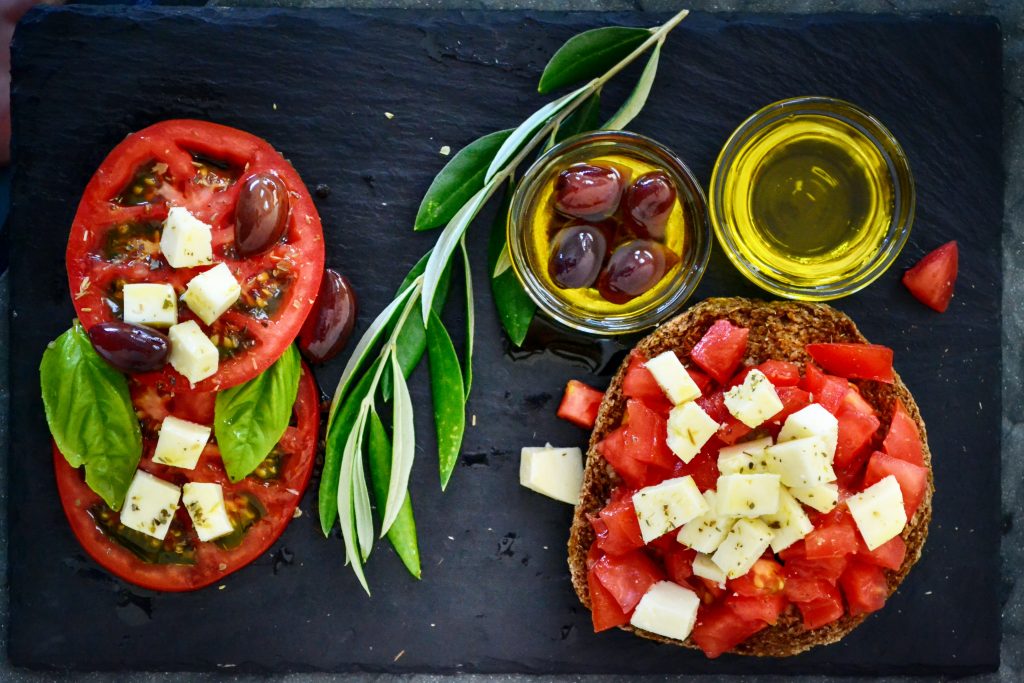
According to U.S. News and World Report Health, the Mediterranean Diet has been named the top overall diet in 2021 for it’s well rounded health benefits. The basic concept behind this eating plan came from the population groups who lived surrounding the Mediterranean Sea and their health statistics. It is not so much a structured diet or restrictive eating plan, rather a guideline to base your general diet around. Many people who follow the Mediterranean diet plan do end up losing weight because the basic premise is around healthy foods for the whole body and all it’s systems. It does not track macros, eliminate entire food groups or require eating in a window of time during the day. The idea is an emphasis on the following foods: fruits, vegetables, whole grains, beans, nuts, legumes, olive oil, flavorful herbs and spices, fish/seafood a couple times a week and poultry, eggs, cheese and yogurt are eaten in moderation. The diet is low in red meats, although it does not eliminate them as an option for special occasions. Red wine is also ok to drink in moderation, as it offers heart benefits.
Overall the Mediterranean Diet can be considered a healthy diet to follow, even for the long-term, as it does not have too many strict rules or eliminations. This diet may not lead to the fastest weight loss, but may help users keep the weight off the longest and live in maintenance with a lot of flexibility. With a large focus on fish and seafood, it does require that those who follow the way of eating do enjoy seafood and/or don’t have an allergy. Otherwise it can be a safe, healthy diet concept to look into for sustainable weight loss and overall health.
The Bottom Line
While there are many diets on the market today, all of them come with a set of pros and cons. There is no “one size fits all approach” when it comes to dieting—many people could find weight loss success on any of these diet plans. The biggest component to weight loss has to do with creating a caloric deficit on most days: fewer calories ingested than calories burned. If you follow this basic approach, you will lose weight. We recommend that you do your research before starting any kind of diet plan, and make sure that the pros outweigh the cons. Always ask your doctor or nutritionist before starting a restrictive diet to make sure you don’t have any underlying conditions that would create a health problem. No matter which diet you choose, we recommend tracking your calories and weighing yourself on your SureFiz smart scale daily so that you can observe your progress and make sure it is truly working for you. Continue to follow our blogs and social media accounts for more advice, diet tips, recipes and workout ideas to help you find the best success in your weight loss journey.
]]>Deprecated: Creation of dynamic property WP_Term::$cat_ID is deprecated in /var/www/surefiz.com/html/forum/wp-includes/category.php on line 378
Deprecated: Creation of dynamic property WP_Term::$category_count is deprecated in /var/www/surefiz.com/html/forum/wp-includes/category.php on line 379
Deprecated: Creation of dynamic property WP_Term::$category_description is deprecated in /var/www/surefiz.com/html/forum/wp-includes/category.php on line 380
Deprecated: Creation of dynamic property WP_Term::$cat_name is deprecated in /var/www/surefiz.com/html/forum/wp-includes/category.php on line 381
Deprecated: Creation of dynamic property WP_Term::$category_nicename is deprecated in /var/www/surefiz.com/html/forum/wp-includes/category.php on line 382
Deprecated: Creation of dynamic property WP_Term::$category_parent is deprecated in /var/www/surefiz.com/html/forum/wp-includes/category.php on line 383
Deprecated: Creation of dynamic property WP_Term::$cat_ID is deprecated in /var/www/surefiz.com/html/forum/wp-includes/category.php on line 378
Deprecated: Creation of dynamic property WP_Term::$category_count is deprecated in /var/www/surefiz.com/html/forum/wp-includes/category.php on line 379
Deprecated: Creation of dynamic property WP_Term::$category_description is deprecated in /var/www/surefiz.com/html/forum/wp-includes/category.php on line 380
Deprecated: Creation of dynamic property WP_Term::$cat_name is deprecated in /var/www/surefiz.com/html/forum/wp-includes/category.php on line 381
Deprecated: Creation of dynamic property WP_Term::$category_nicename is deprecated in /var/www/surefiz.com/html/forum/wp-includes/category.php on line 382
Deprecated: Creation of dynamic property WP_Term::$category_parent is deprecated in /var/www/surefiz.com/html/forum/wp-includes/category.php on line 383
Deprecated: Creation of dynamic property WP_Term::$cat_ID is deprecated in /var/www/surefiz.com/html/forum/wp-includes/category.php on line 378
Deprecated: Creation of dynamic property WP_Term::$category_count is deprecated in /var/www/surefiz.com/html/forum/wp-includes/category.php on line 379
Deprecated: Creation of dynamic property WP_Term::$category_description is deprecated in /var/www/surefiz.com/html/forum/wp-includes/category.php on line 380
Deprecated: Creation of dynamic property WP_Term::$cat_name is deprecated in /var/www/surefiz.com/html/forum/wp-includes/category.php on line 381
Deprecated: Creation of dynamic property WP_Term::$category_nicename is deprecated in /var/www/surefiz.com/html/forum/wp-includes/category.php on line 382
Deprecated: Creation of dynamic property WP_Term::$category_parent is deprecated in /var/www/surefiz.com/html/forum/wp-includes/category.php on line 383
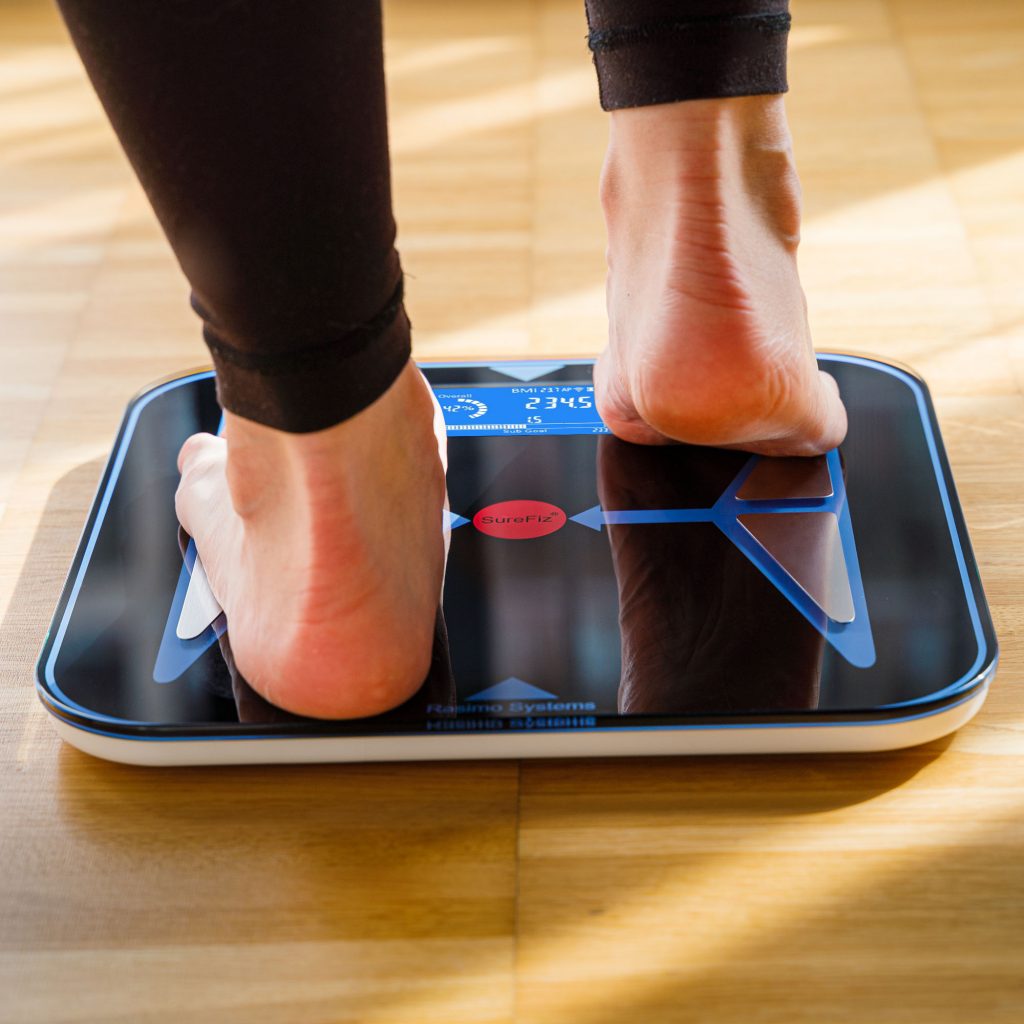
Have you ever wondered how a smart scale can help you lose more weight or reach your fitness goals? There are many more interactive features to help you lose and maintain weight than you might think.
Weight loss scales have been around for many years, but some recent technological advances with smart scales have led to major advantages in the world of fitness and weight loss. If you ever thought about trying a smart scale but weren’t sure if it was right for you, this information can help show you the reasons why you might want to take the plunge and get one as soon as possible. Whether you are looking to lose weight, maintain weight loss or even gain weight, a body composition (smart) scale can help you reach those goals. There are many different components to a body composition scale that can benefit your weight loss or gain goals. Here are just a few of the benefits you can reap almost immediately from getting a smart scale.
Knowledge is Power
People who weigh themselves regularly are more likely to lose weight and keep it off for good. You might wonder why this is the case, but having an awareness of where you’re at in your goals each day can help you make better decisions throughout the day. Knowing your weight can help you push harder in your daily exercise, resist tempting foods and make better overall health choices. According to USA Today, weighing yourself every day can help aid in weight loss and decision making with little to none negative side effects. “In a two year study of 162 overweight and obese gym members, those asked to weigh themselves daily and chart the results were more likely to lose significant weight and then keep it off. Another study of 92 overweight adults found increased weight loss among those assigned to daily use of a digital scale that sent results to a website. The numbers were accessible to both users and counselors—who followed up with tips and encouragement. The daily weighers saw no increases in depression, binge eating or other signs of disordered eating”. When it comes to goal setting and awareness, knowledge truly means power to succeed in weight loss for good.

What is Body Composition and Why Does it Matter?
There are many different body composition statistics that smart scales measure other than just weight. The main information that the SureFiz smart scale measures are: body fat, water, protein, BMI, weight, muscle, bone density, basal metabolic rate. As you can see, these components are so much more than body weight. They provide a holistic experience to help you in not only general weight loss goals but also learning more about how everything within your body is a connective experience. Your protein counts and water levels (and other facets) all work together in weight loss and in overall weight management. Once you are able to analyze all of this information in one place, you can apply it to your weight loss plan and help reach your goals faster.
Connectivity to an App
One major benefit to body composition smart scales is the ability to sync all of your body composition information to one place in an easy to use app. In order to do this your scale will need either Bluetooth or wifi capability. With Bluetooth capability you need your phone near the scale anytime you weigh so that the phone can easily connect to the scale. It can become complicated if you forget and have your phone somewhere else in the house when you step on to weigh yourself. SureFiz scales are intuitively designed with wifi connectivity so that you can keep your phone anywhere in your home without worrying about a connection. With this benefit, users simply just have to “step up” on the scale and all the connectivity is done for them.

Interactivity to Keep You on Track
The benefits don’t just stop with an interactive wifi scale. Using the connected app can open up a whole new world of information all at your fingertips. The addition of goal setting, weight management tracking, accountability circles to connect you with friends plus the addition of free workout plans, diet tips, recipes, advice from fitness and weight loss professionals, makes the smart scale a WHOLE lot smarter. With so much information all over the Internet and social media, it can be incredibly refreshing to find it all in one place, in one simple app that connects to your scale. It’s no wonder that psychologists and doctors are finding that the use of a body composition smart scale increases the chances of lasting weight loss and maintenance as opposed to those who don’t regularly use a scale. One SureFiz user said that the only thing keeping her on track during the COVID-19 pandemic was stepping on the scale regularly. “All my friends were complaining of their weight gain but I said that stepping on the scale was the only thing keeping me from going off the rails and eating all the comfort food I could find. Even when I wanted to give up I could see my progress on the app and it kept me going on the hardest days”.
Results That Speak Volumes
It doesn’t take long for the results to show. When it comes to losing and maintaining weight loss, accountability is key. Whether you have a trainer to do regular weigh-ins and body measurements, a friend or spouse, or an interactive smart scale to help you on your journey. Your results will multiply quickly and last longer when you have the ability to track your composition, see your results laid out before you and see the goal in reach. On those tough days in your weight loss journey (because we all have them and it’s part of the process), you can simply access your data and see just how far you’ve come. This tool can help keep you motivated to stay on course and keep at it! Stay strong and continue to put the work in—the results will surely come! If you haven’t seized the opportunity to get one of these amazing weight loss tools, click here and get yours now! You too can begin to see your weight loss results happen right before your eyes!
]]>Deprecated: Creation of dynamic property WP_Term::$cat_ID is deprecated in /var/www/surefiz.com/html/forum/wp-includes/category.php on line 378
Deprecated: Creation of dynamic property WP_Term::$category_count is deprecated in /var/www/surefiz.com/html/forum/wp-includes/category.php on line 379
Deprecated: Creation of dynamic property WP_Term::$category_description is deprecated in /var/www/surefiz.com/html/forum/wp-includes/category.php on line 380
Deprecated: Creation of dynamic property WP_Term::$cat_name is deprecated in /var/www/surefiz.com/html/forum/wp-includes/category.php on line 381
Deprecated: Creation of dynamic property WP_Term::$category_nicename is deprecated in /var/www/surefiz.com/html/forum/wp-includes/category.php on line 382
Deprecated: Creation of dynamic property WP_Term::$category_parent is deprecated in /var/www/surefiz.com/html/forum/wp-includes/category.php on line 383
Deprecated: Creation of dynamic property WP_Term::$cat_ID is deprecated in /var/www/surefiz.com/html/forum/wp-includes/category.php on line 378
Deprecated: Creation of dynamic property WP_Term::$category_count is deprecated in /var/www/surefiz.com/html/forum/wp-includes/category.php on line 379
Deprecated: Creation of dynamic property WP_Term::$category_description is deprecated in /var/www/surefiz.com/html/forum/wp-includes/category.php on line 380
Deprecated: Creation of dynamic property WP_Term::$cat_name is deprecated in /var/www/surefiz.com/html/forum/wp-includes/category.php on line 381
Deprecated: Creation of dynamic property WP_Term::$category_nicename is deprecated in /var/www/surefiz.com/html/forum/wp-includes/category.php on line 382
Deprecated: Creation of dynamic property WP_Term::$category_parent is deprecated in /var/www/surefiz.com/html/forum/wp-includes/category.php on line 383
Do you have a hard time finding healthy snacks that also fill you up? Here are several ideas of delicious, healthy snacks to help you in your weight loss program.
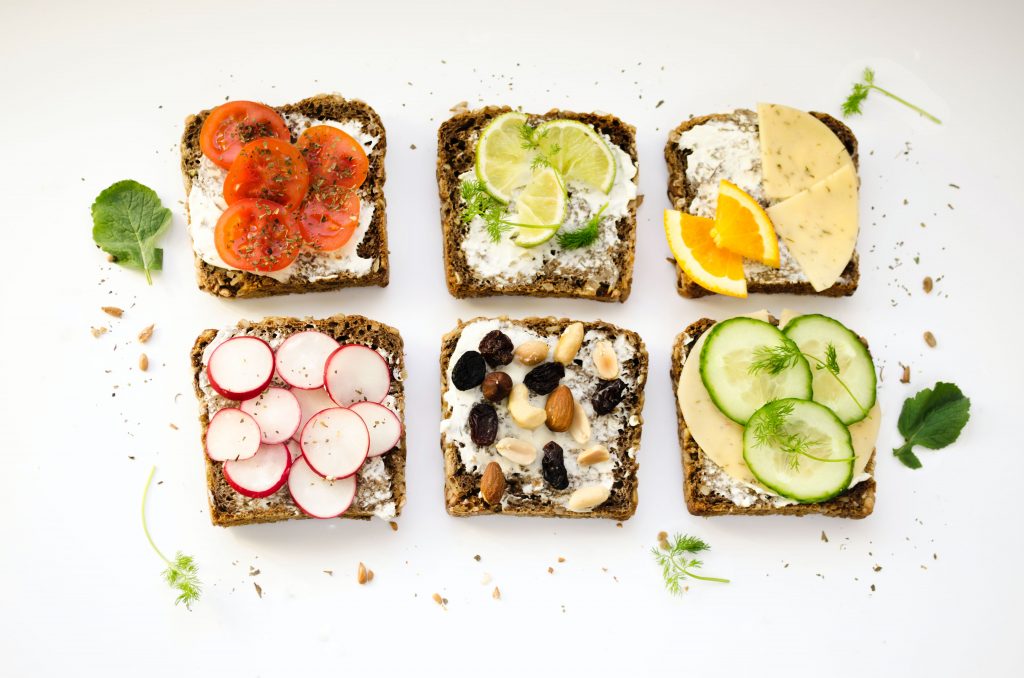
Snacking can be hard when trying to lose weight, as the calories can add up each day. But it is not impossible and can be used as a valuable tool in between meals to help curb hunger, which will prevent overeating during meals later in the day. Successful snacking requires some strategic planning, however, to make sure that you are helping your weight loss plan, not hindering weight loss success. Here is some valuable advice to help you snack successfully and feel satiated all day!
General Snacking Tips
- Prep Ahead: Just like with meal planning, knowing which snacks you will eat throughout the week and purchasing them ahead of time will ensure that you make good choices and don’t turn to less-than healthy options when you’re super busy and hunger strikes.
- Wash, Chop, Measure: Set aside a little extra time after you do your weekly grocery haul and wash fruits and veggies, and section out into proper serving sizes. Having food kept in pre-measured containers will help prevent you from overeating–yes, it is possible to eat too much of even a good thing! It also helps to have awareness of serving sizes for logging into your weight loss food journal.
- Choose Whole Foods First: Try to base your snacking around fresh fruits, vegetables, nuts and nut butters and healthy proteins. By feeding your body the nutrients it needs, you will not only help to fuel it properly but you will feel more satiated, for a longer time, on less calories. Your overall diet and weight loss program will benefit in the long term.
- Add Protein Whenever Possible: Combining a fruit or vegetable with protein will help aid in satiety as well, and the protein contributes to muscle growth in the body. Many Americans don’t eat enough healthy proteins, so sneaking it in with your snacks is a great way to add to your daily diet totals.
Snack Ideas
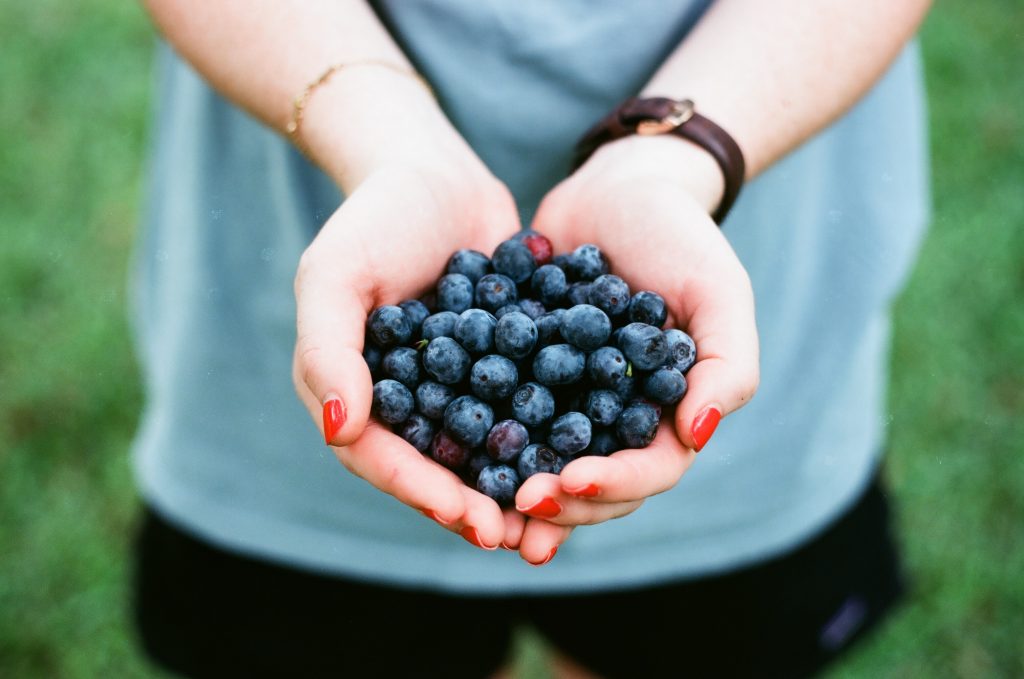
In general, look for a fruit or vegetable to be the base of most snacking–most of us don’t eat the minimum recommended daily allowance in our daily diets, so adding them into our snacking plan is a great foundation. When you can, add a protein or healthy fat to balance out the snack and help with satiation. We recommend trying to keep your snacks around 200-250 calories so that you don’t ruin your dinner! Here are some basic ideas and how to pair them for a tasty, healthy option you can try any day in your diet plan, each suggestion is within a range of 100-250 calories:
Apple
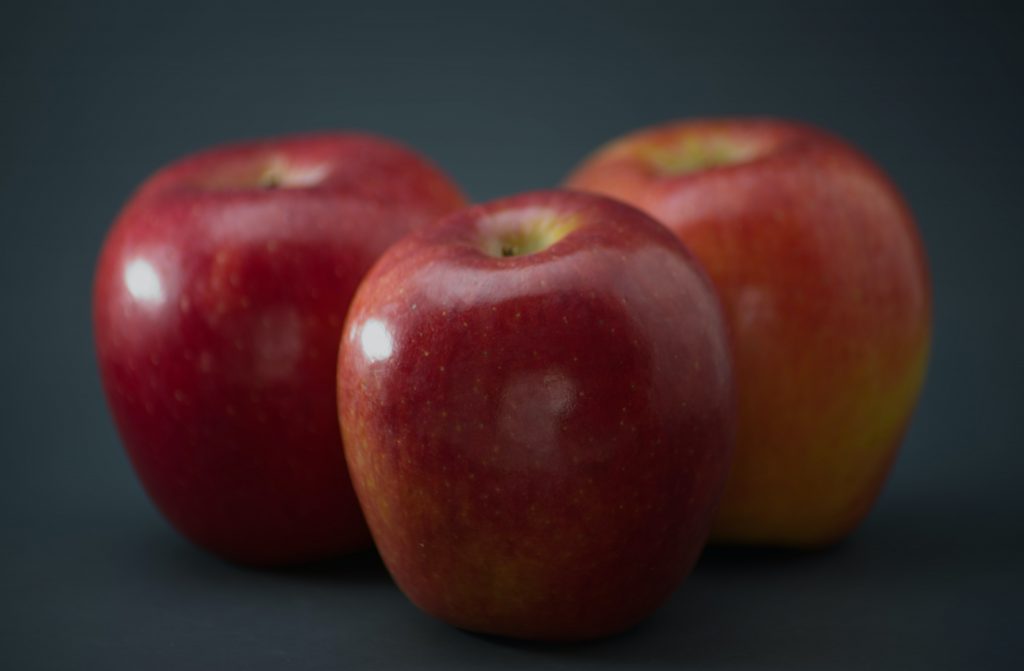
Apples are a great, healthy snack option for your diet. They are delicious, nutritious and filled with healthy fiber to help keep you full. If you want to add a protein, nut butters or a piece of string cheese will be a great addition with just enough protein and fats to fill you up.
Carrots, Celery or Peppers
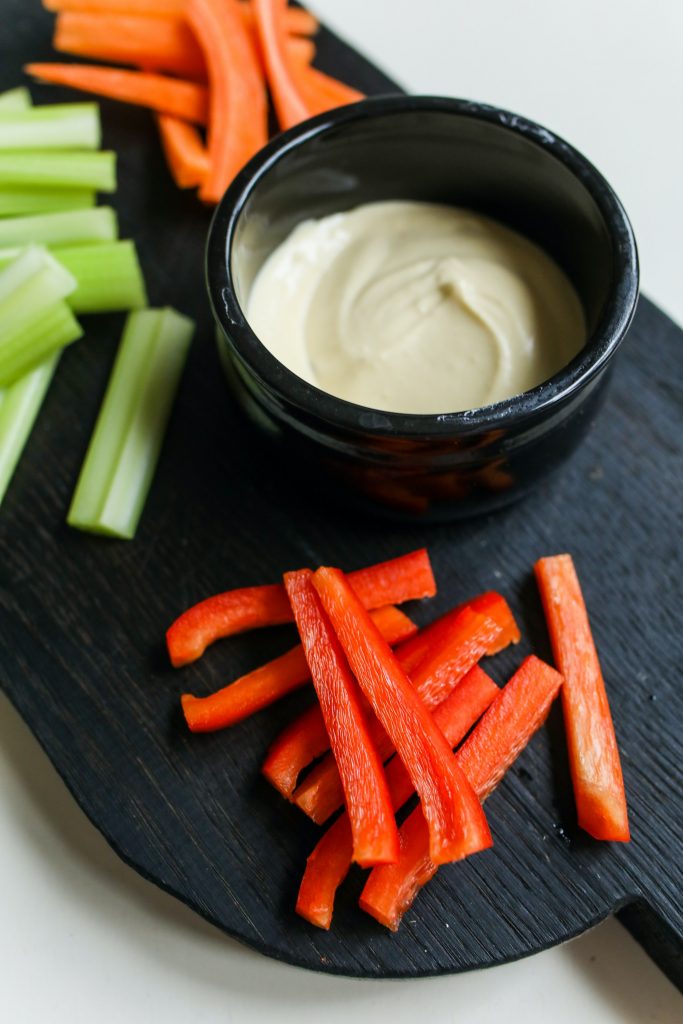
Any of these crunchy veggies are a great snacking option. If you can find baby carrots at the store, you can even cut down on prep time. All of these veggies are a perfect snack substitution for chips or crackers–they add the crunch without the unhealthy side effects. Pair them with hummus for a yummy, protein-filled dip.
Banana
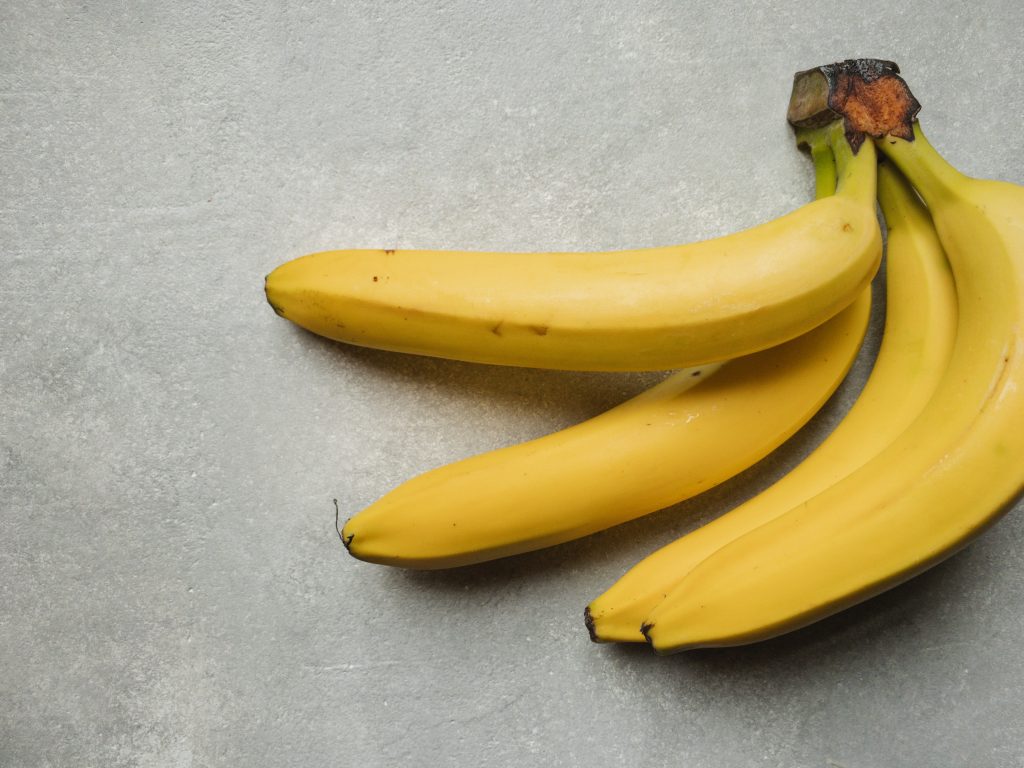
Another great fiber-filled fruit, bananas are super easy to grab and eat on the go. One banana can keep you full on it’s own but if you need a little boost, almond or peanut butter adds a nice salty compliment to the sweetness of the banana. Make sure you measure out the nut butter before eating, it can be super easy to overeat nut butters. Keep it around one tablespoon so that your overall snack calorie count doesn’t reach higher than 300 calories.
Cottage Cheese
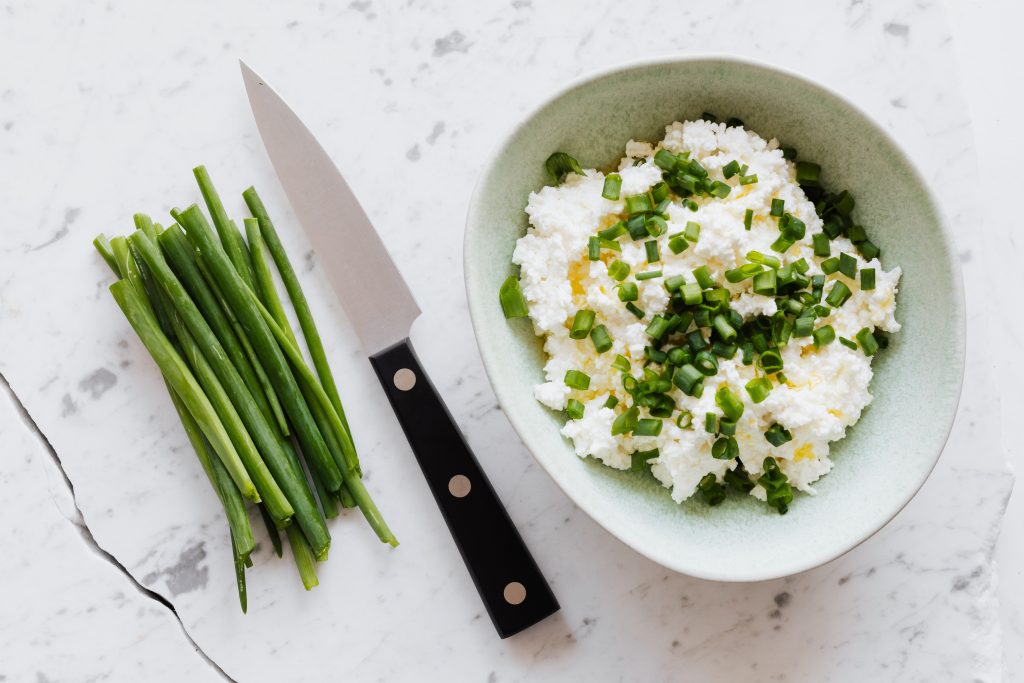
If you enjoy cottage cheese, this is a protein-packed snack that will leave you full for hours. Add some sliced tomatoes, or even some berries to compliment the creaminess of the cottage cheese and add some energy-boosting carb benefit to your snack. Try to get a lower fat or nonfat variety of cottage cheese to keep overall calories down and measure each serving for maximum weight loss success.
Hard Boiled Eggs
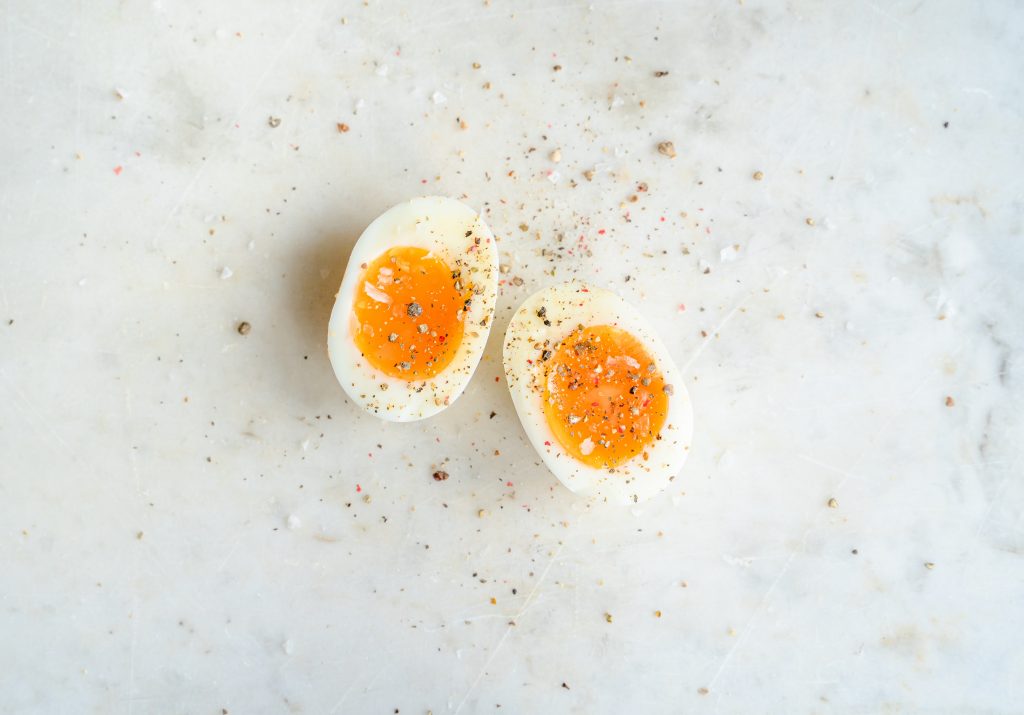
If you are looking for an easy, grab and go protein snack, hard boiled eggs will be your best friend!! For busy weeks, boil them and peel them, then put in plastic baggies or small containers to grab quickly and eat on the run.
Handful of Almonds
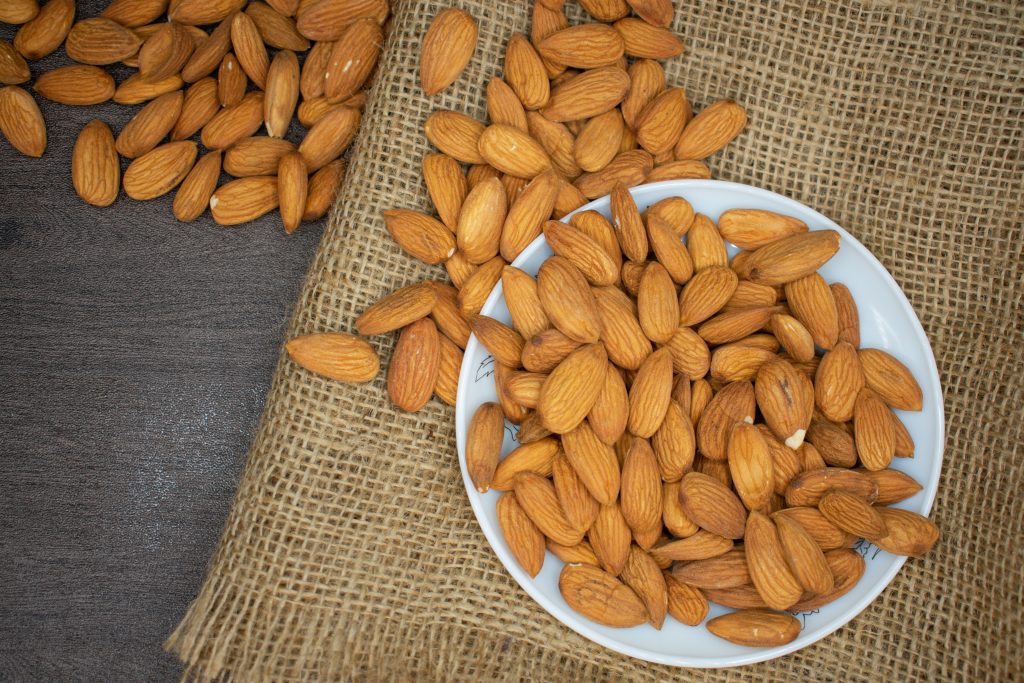
Almonds (or any favorite nuts) are a super healthy, antioxidant-filled protein snack. These are also super easy to grab on the go and can compliment the apple or banana snack we listed above. Be very careful with measuring out nuts–one serving is ¼ cup and contains 162 calories. It can be very easy to overeat nuts without thinking, so having them sectioned out into serving-sized containers will prevent accidental overeating and taking in too many calories at snack time.
Greek Yogurt with Berries
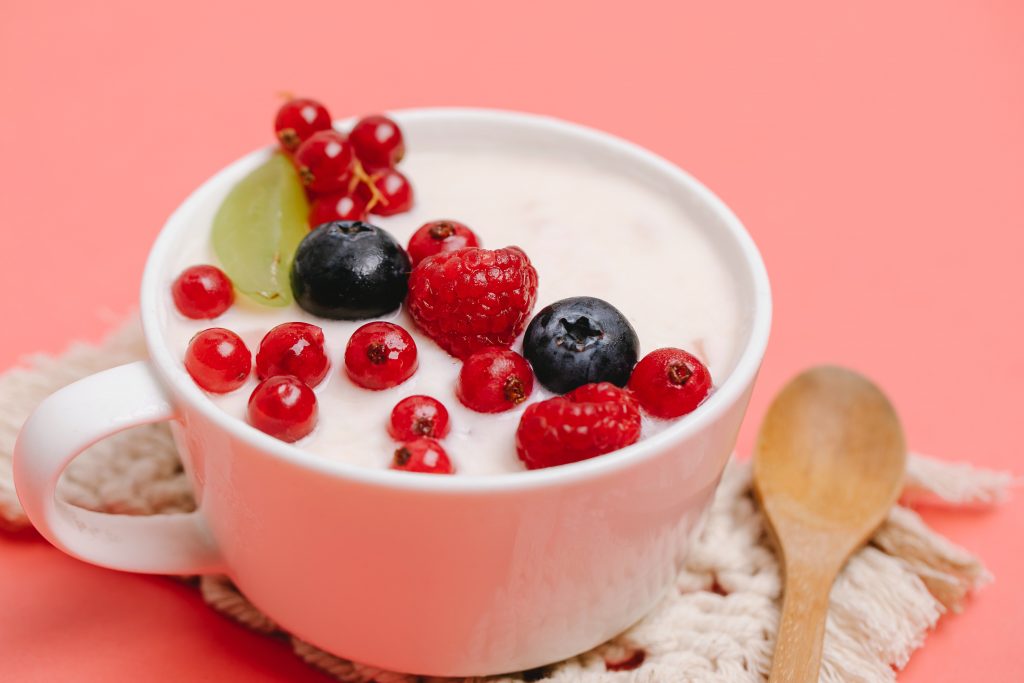
Greek yogurt, like its cousin cottage cheese, is another creamy high protein snack. When choosing a greek yogurt, make sure that you are finding a nonfat or lowfat variety and plain/no added sugar. Due to the tartness of plain greek yogurt, adding about ½ cup of berries will make a beautiful sweet/savory balance that will also keep you full for hours on very little calories and a huge protein boost.
Once you have an idea of simple, healthy snacks you can build a foundation and work to get creative. By planning ahead and thinking through your day, you can plan for strategic snacks that can satisfy a craving without ruining your diet and weight loss goals. For more healthy eating advice, check out our blog on Easy Breakfast Ideas to Start Your Day Right. Keep stepping on your SureFiz smart scale daily to keep track of your weight loss journey, make sure you are eating right and nourishing your body with a healthy diet, and continue to follow us on social media for healthy eating tips, inspiration and encouragement as you continue towards your weight loss goals.
]]>Deprecated: Creation of dynamic property WP_Term::$cat_ID is deprecated in /var/www/surefiz.com/html/forum/wp-includes/category.php on line 378
Deprecated: Creation of dynamic property WP_Term::$category_count is deprecated in /var/www/surefiz.com/html/forum/wp-includes/category.php on line 379
Deprecated: Creation of dynamic property WP_Term::$category_description is deprecated in /var/www/surefiz.com/html/forum/wp-includes/category.php on line 380
Deprecated: Creation of dynamic property WP_Term::$cat_name is deprecated in /var/www/surefiz.com/html/forum/wp-includes/category.php on line 381
Deprecated: Creation of dynamic property WP_Term::$category_nicename is deprecated in /var/www/surefiz.com/html/forum/wp-includes/category.php on line 382
Deprecated: Creation of dynamic property WP_Term::$category_parent is deprecated in /var/www/surefiz.com/html/forum/wp-includes/category.php on line 383
Deprecated: Creation of dynamic property WP_Term::$cat_ID is deprecated in /var/www/surefiz.com/html/forum/wp-includes/category.php on line 378
Deprecated: Creation of dynamic property WP_Term::$category_count is deprecated in /var/www/surefiz.com/html/forum/wp-includes/category.php on line 379
Deprecated: Creation of dynamic property WP_Term::$category_description is deprecated in /var/www/surefiz.com/html/forum/wp-includes/category.php on line 380
Deprecated: Creation of dynamic property WP_Term::$cat_name is deprecated in /var/www/surefiz.com/html/forum/wp-includes/category.php on line 381
Deprecated: Creation of dynamic property WP_Term::$category_nicename is deprecated in /var/www/surefiz.com/html/forum/wp-includes/category.php on line 382
Deprecated: Creation of dynamic property WP_Term::$category_parent is deprecated in /var/www/surefiz.com/html/forum/wp-includes/category.php on line 383
Deprecated: Creation of dynamic property WP_Term::$cat_ID is deprecated in /var/www/surefiz.com/html/forum/wp-includes/category.php on line 378
Deprecated: Creation of dynamic property WP_Term::$category_count is deprecated in /var/www/surefiz.com/html/forum/wp-includes/category.php on line 379
Deprecated: Creation of dynamic property WP_Term::$category_description is deprecated in /var/www/surefiz.com/html/forum/wp-includes/category.php on line 380
Deprecated: Creation of dynamic property WP_Term::$cat_name is deprecated in /var/www/surefiz.com/html/forum/wp-includes/category.php on line 381
Deprecated: Creation of dynamic property WP_Term::$category_nicename is deprecated in /var/www/surefiz.com/html/forum/wp-includes/category.php on line 382
Deprecated: Creation of dynamic property WP_Term::$category_parent is deprecated in /var/www/surefiz.com/html/forum/wp-includes/category.php on line 383
As you work through your New Year’s Resolutions and weight loss goals, you might be looking for an extra boost in supplements. But will they really help?
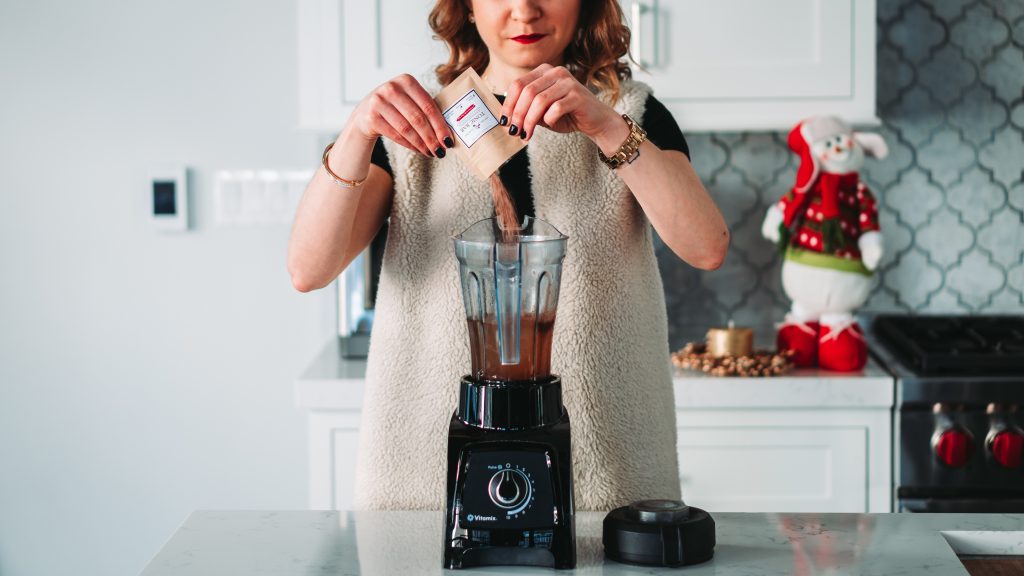
Pre-Workout Supplementation
If you’ve been anywhere near a gym lately or searched fitness topics on instagram, you have likely heard of or seen promotions for pre or post workout supplements to boost your workout and weight loss results. Many of these supplements claim to help you lose more weight, burn more fat or grow more muscle as a result of taking them. You can pretty much find a different type of supplement for any goal you may have-”slim down”, “bulk up”, “run faster”, “lose weight”, “burn fat” and others are claims on supplement labels. Personal trainers and health coaches are often asked by their clients, “are supplements necessary?” or “Will they help?” We are going to dive into some basic information about supplements to help you break down whether they are a good option or could even help you with your workout and weight loss performance.
What are Pre-Workout Supplements?
In general, pre-workout (or any workout type) supplements can be defined as any supplement that boosts workout performance. They can be taken in the form of a powder, pill or liquid form and most companies claim that they will help enhance your workout performance in the gym. There is a huge variance in ingredients based on company and from supplement to supplement, making it confusing for consumers who are trying to find a supplement to fit their personal workout or weight loss goals.
Common Ingredients in Pre-Workout Supplements
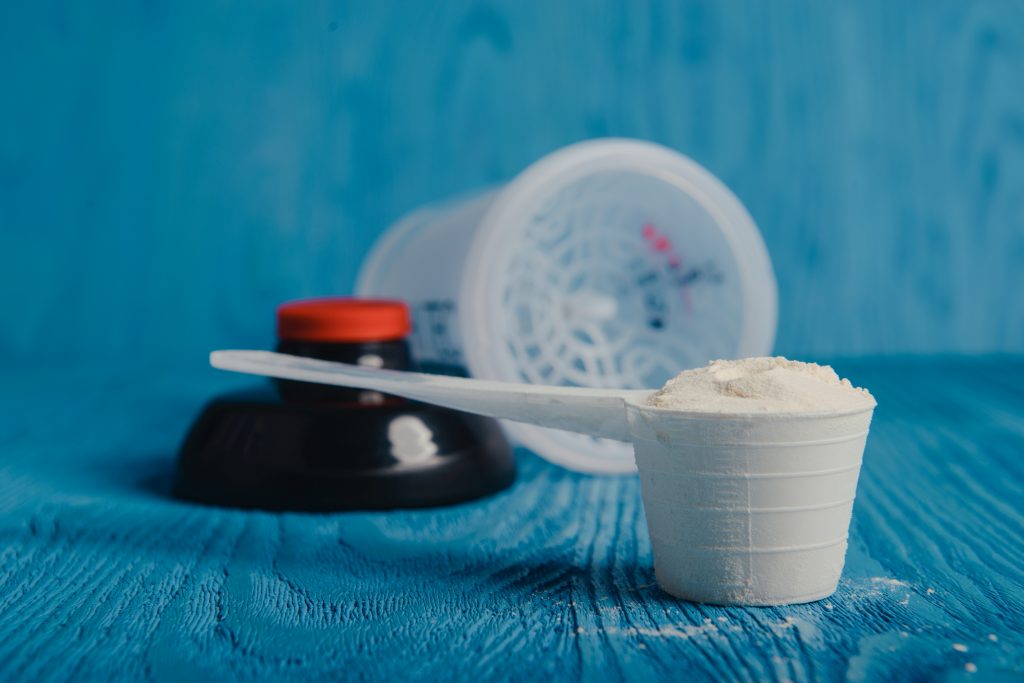
While the list of ingredients is too exhaustive to cover here, we can give you some of the main pre-workout ingredients used in common pre-workout supplements. The goal is generally to boost energy, focus, muscle gain, or even burn more calories to help you reach a weight loss goal sooner. Here are some of the main ingredients you might find in a pre-workout supplement:
- Caffeine
Caffeine is a stimulant and often included in that morning cup of coffee. But some studies have shown that caffeine use can boost performance in the gym as well. In a 2012 study done by the Journal of Strength Conditioning and Resistance, men who took a caffeine drink containing 179 mg of caffeine as a pre-workout supplement 60 minutes before exercise could lift more weights at a higher resistance than those who took a placebo. However, according to Live Science, “too much caffeine can pose a health risk, and supplements can contain much more than is found in food or drinks. A person could guzzle gallons of coffee and not suffer from a true caffeine overdose. But even at much lower levels, caffeine can worsen underlying conditions such as a heart arrhythmia, leading to cardiac arrest”. In fact, some studies have shown that supplements containing caffeine sometimes contained more than 4 times the amount of caffeine contained in a normal cup of coffee.
- Creatine Monohydrate
Creatine Monohydrate (also known as just creatine) is a common pre-workout supplement used to increase muscle performance and energy production. It has been a supplement that shows some positive reviews based on limited studies. According to Live Science, some studies have shown that college football players taking creatine had fewer injuries and reported less cramping, achieved peak power performance and even increased some of their body mass. But they also report that creatine needs to be taken regularly to build up in a person’s system and actually be effective. It also only works well when someone REALLY pushes themselves in the gym and many people generally don’t push themselves to the peak level of performance for the creatine benefits to truly be seen. And since some side effects of creatine involve the “bulking up”, most people who are trying to accomplish weight loss and slimming their bodies down will not want the building or bulking effects of the creatine supplement. Healthline reports that weight gain, bloating, water retention and digestive issues can all be side effects of creatine supplementation, which definitely poses a challenge to those who have weight loss as their primary goal in working out.
- Guarana
Guarana is a plant from the Amazon that has been harvested by Brazilians for decades, but has also entered the American market and is generally used as an energy booster. According to Very Well Health, guarana is used to “fight fatigue, boost mental alertness, and promote weight loss. The fruit contains caffeine-rich seeds that have up to three times the amount of caffeine as coffee beans. The seeds are also rich in tannins and the stimulants theophylline and theobromine”. Since guarana contains caffeine, it is important to check any pre-workout supplement labels for the amounts of each ingredient included to make sure that the overall amount of caffeine you consume is not over the recommended usage. Some side effects noted from guarana usage can be agitation, stomach upset, headaches and other miscellaneous effects.
- BCAAs
Branched Chain Amino Acids (BCAAs) consist of three different molecules-leucine, isoleucine and valine. These amino acids are also contained in many foods, mostly protein rich animal products. BCAAs are known for their aid in the muscle building process and many bodybuilding supplement programs include them as a component. However, they are more well absorbed when eaten in their whole food form. According to Healthline, use of BCAAs is generally safe, especially considering they are naturally occurring in many foods we already eat. But the benefit of supplementing them is currently mixed, it may be better to eat them in their natural form than buy an additional supplement to add to your weight loss routine.
- Other Ingredients
Many supplement companies list a “proprietary blend” in part of their ingredient lists, which can be hard to understand. According to Self Magazine, “It’s important to realize that virtually every supplement and exercise nutrition brand out there has its own pre-workout formula, meaning that no two tubs contain the same—or even similar—ingredients. In fact, according to a 2019 study of the top 100 commercially available pre-workout supplements, nearly half of all ingredients were part of a ‘proprietary blend,’ meaning the amounts of each ingredient were not disclosed”. Each company can put together blends of their choosing without necessarily disclosing to consumers what those blends contain.
Are Pre-Workout Supplements Regulated and Safe for Use?
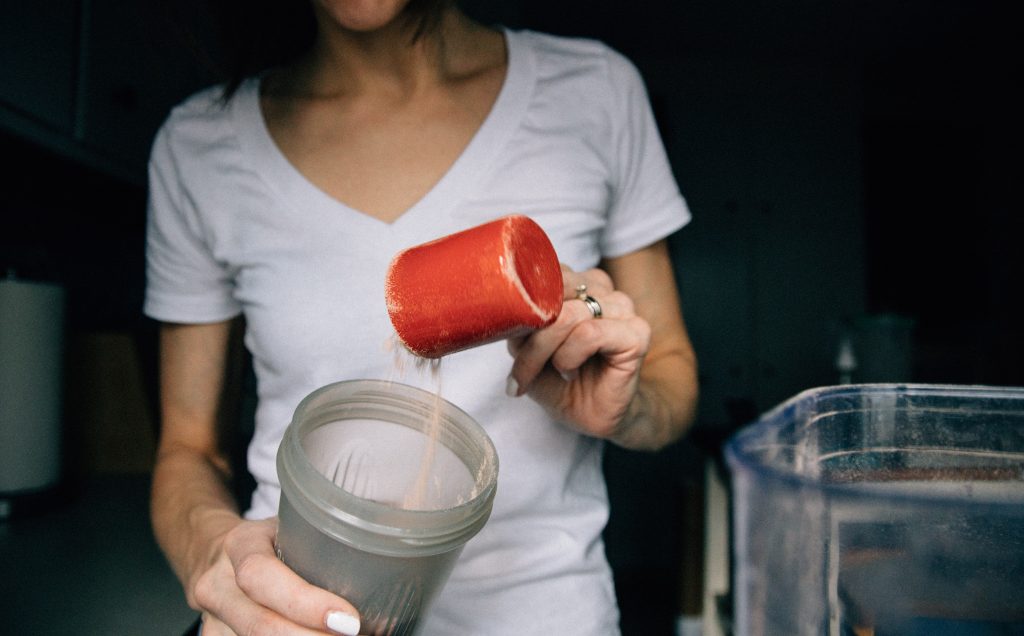
According to the Food and Drug Administration (FDA), “Federal law does not require dietary supplements to be proven safe to FDA’s satisfaction before they are marketed. For most claims made in the labeling of dietary supplements, the law does not require the manufacturer or seller to prove to FDA’s satisfaction that the claim is accurate or truthful before it appears on the product”. The FDA does require companies to report any side effects or results after market of their supplements as reported by consumers or in a lab. If enough reports or claims are made then a supplement can be taken off the market. But without clear guidelines or a ton of requirements placed on companies who make supplements regarding specific ingredients, it is definitely the job of the consumer to do the research and decide if the ingredients will be safe and beneficial for use in a diet or weight loss program. Although many times historically ingredients used in a product are generally safe for use, they may not be able to provide the results someone is looking for in a weight loss program.

You can find many other supplements used in pre- and post-workout supplement formulas, and we recommend doing your research before choosing to purchase them for your weight loss and training routine. Some can be beneficial for promoting energy and focus which can help you push through a hard workout. But a good old cup of coffee and a piece of fruit can also supply the energy and fuel to get you through, for a lot less money each month. Many times you will find the best weight loss results from sticking to the tried and true methods of eating a well balanced, healthy diet composed of many whole foods–lean meats, fresh fruits and vegetables, healthy whole grains and fiber rich foods. When incorporating these foods into your diet and weight loss regimen, you will start to see the results you want and your pocketbook will be thicker with all the money you saved from not purchasing every supplement advertised on your Instagram feed.
If you do find the desire or need to try supplementation, we recommend doing your research from third parties before buying and making sure that you follow dosage instructions and always take them safely under the company’s guidelines. Check us out on our website, or any of our social media pages for more advice on nutrition, weight loss, diet plans and healthy recipes.
]]>Deprecated: Creation of dynamic property WP_Term::$cat_ID is deprecated in /var/www/surefiz.com/html/forum/wp-includes/category.php on line 378
Deprecated: Creation of dynamic property WP_Term::$category_count is deprecated in /var/www/surefiz.com/html/forum/wp-includes/category.php on line 379
Deprecated: Creation of dynamic property WP_Term::$category_description is deprecated in /var/www/surefiz.com/html/forum/wp-includes/category.php on line 380
Deprecated: Creation of dynamic property WP_Term::$cat_name is deprecated in /var/www/surefiz.com/html/forum/wp-includes/category.php on line 381
Deprecated: Creation of dynamic property WP_Term::$category_nicename is deprecated in /var/www/surefiz.com/html/forum/wp-includes/category.php on line 382
Deprecated: Creation of dynamic property WP_Term::$category_parent is deprecated in /var/www/surefiz.com/html/forum/wp-includes/category.php on line 383
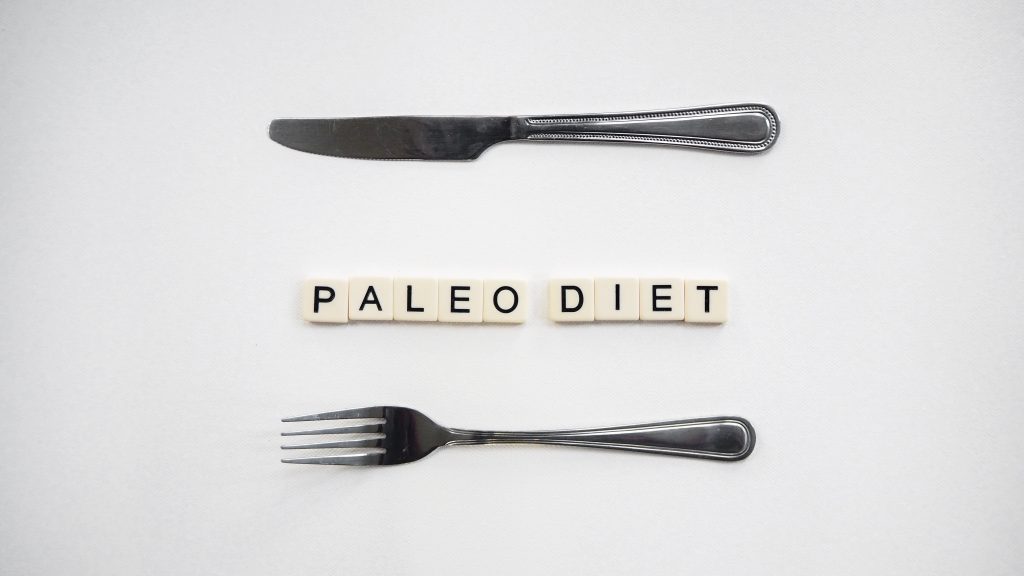
The Paleo diet trend has gained popularity in recent years, but what is it and how can it affect a weight loss plan?
A Paleo diet plan is a way of eating similar to those who existed in the Paleolithic era. The basic premise behind a Paleo diet plan is to eat like early humans, focusing on whole foods and eliminating processed foods. Firm believers in Paleo dieting believe that, “The human body is genetically mismatched to the modern diet that emerged with farming practices-an idea known as the discordance hypothesis. Farming changed what people ate and established dairy, grains and legumes as additional staples in the human diet. This relatively late and rapid change in diet, according to the hypothesis, outplaced the body’s ability to adapt. This mismatch is believed to be a contributing factor to the prevalence of diabetes and heart disease today” (Source: Mayo Clinic). The basic premise of getting back to the eating roots of ancient human existence and eating natural foods from the earth or animals can be beneficial in many ways to an overall health and wellness program.
How the Paleo Diet is Beneficial
There are many potential benefits to a Paleo diet. Many people who switch to a Paleo diet eat less processed foods and more fruits and vegetables. “While the diet as a whole hasn’t been well studied, the benefits of cutting packaged foods from your diet could be huge. According to the Harvard School of Public Health, three quarters of the average American’s sodium intake (which is almost double what it should be!) comes from commercially prepared foods. And, one Public Health Nutrition study found that people who cook at least five times a week are 47% more likely to be alive 10 years later compared to those who rely more on processed foods” (Retrieved from Health Magazine). The essential vitamins and nutrients from fruits, vegetables, nuts and lean meats are vital to overall health and weight loss. Many pre packaged and processed foods are stripped of these nutrients, and those who rely on packaged foods for their primary source of meals can be nutritionally depleted. There are other negative factors to eating highly processed foods, such as sodium content, saturated fat content and chemical additives. Eating within the Paleo diet lifestyle can help reduce many of these other negative components, while helping to contribute to weight loss.
What Foods to Eat on the Paleo Diet
The Paleo diet is “comprised mainly of fresh fruits, fresh vegetables, fish, shellfish, grass produced meats and organ meats, free-range poultry, free-range eggs, nuts, and certain healthful oils. The Paleo Diet avoids or eliminates processed foods containing refined sugars, refined grains, refined vegetable oils, trans fatty acids, salt, and added chemicals. Fresh fruits and fresh vegetables, good sources of healthier carbohydrates, are consumed ad libitum in lieu of refined sugars, refined grains, and processed foods. As a result, The Paleo Diet is a low glycemic load diet, which promotes normalization of blood glucose, insulin, and helps prevent the metabolic syndrome” (Source: The Paleo Diet).
More specifically, here are the basic guidelines for what to eat and what to avoid on the Paleo diet:
- No gluten, or gluten substitutions-gluten is considered an anti-nutrient and can be harmful to the digestive system. But processed gluten free food using flour substitutions can also be considered harmful.
- No simple/processed sugars-the focus is to reduce intake of added sugars, but fruit is considered healthy with many nutrients and naturally occurring sugars.
- Avoid added salt-excess salt in diets may lead to hypertension, heart disease, cancer, autoimmunity and insulin-resistance.
- No dairy-in ancient times, humans did not consume animal milk. That has changed in recent years with the development of modern farming. The Paleo diet does not believe this is healthy for the human body and that many people don’t have the proper enzymes to digest milk.
- No legumes, limited nightshades (no white or yellow potatoes)-legumes and nightshades contain anti-nutrients such as lectins and can increase intestinal permeability, causing many other health problems.
- Limited use of supplements-when eating a proper, natural, nutrient-dense diet, the body should not need additional supplements. (Source: The Paleo Diet)
Is the Paleo Diet Healthy?
While the basic components of the Paleo diet promote healthier eating and potential weight loss benefits, experts are mixed on whether the Paleo diet actually offers long term health benefits in regards to other diet plans. According to Deirdre Tobias, assistant professor in the Department of Nutrition at Harvard T.H. Chan School of Public Health, people who participate in the Paleo diet may have been eating large amounts of processed unhealthy foods before switching to a healthier whole foods lifestyle, or have underlying health conditions affecting results. “Was it instead that those benefits came from cutting out processed foods and ramping up fruits and vegetables?” Tobias asked. “Because there are so many aspects of the diets being altered, it is virtually impossible to attribute any one component of the patterns to its success” (Harvard Health). There are many different health benefits from a variety of diet trends that can be attributed to improvements in health and weight loss. Examples of such plans are the Keto diet, vegan or vegetarian lifestyle, or even the Whole 30 diet trend. Each of these diet plans involve restricting calories or food groups, or even eliminating them. When an individual changes their eating patterns from eating processed foods and takeout to eating healthy, fresh fruits and vegetables, there can be benefits in overall health and likely result in weight loss.
If you’re looking to improve your health and overall wellness, the Paleo Diet can be a good option. However, when it comes to weight loss the major focus needs to be calories ingested versus calories burned. The SureFiz scale and program can help with all of the tracking needed to supplement a healthy eating plan and weight loss goals. Be sure to follow us on all our social media accounts and let us help you reach your diet and weight loss goals!
]]>Deprecated: Creation of dynamic property WP_Term::$cat_ID is deprecated in /var/www/surefiz.com/html/forum/wp-includes/category.php on line 378
Deprecated: Creation of dynamic property WP_Term::$category_count is deprecated in /var/www/surefiz.com/html/forum/wp-includes/category.php on line 379
Deprecated: Creation of dynamic property WP_Term::$category_description is deprecated in /var/www/surefiz.com/html/forum/wp-includes/category.php on line 380
Deprecated: Creation of dynamic property WP_Term::$cat_name is deprecated in /var/www/surefiz.com/html/forum/wp-includes/category.php on line 381
Deprecated: Creation of dynamic property WP_Term::$category_nicename is deprecated in /var/www/surefiz.com/html/forum/wp-includes/category.php on line 382
Deprecated: Creation of dynamic property WP_Term::$category_parent is deprecated in /var/www/surefiz.com/html/forum/wp-includes/category.php on line 383
Does it seem like you’re doing everything right in your weight loss plan but you can’t lose weight? Here are some possible reasons the scale isn’t moving
Weight loss is not always easy and sometimes it can feel like you’re doing everything right but the scale still won’t budge. This can be very frustrating and often leads people to just give up and quit their weight loss plan altogether. But sometimes there can be underlying causes to why you aren’t losing weight and they aren’t always as clear as you might think. The list below is only some possibilities in a vast list of underlying causes. If you still aren’t sure why your body is holding onto excess weight, we recommend seeking the help of a dietitian or nutritionist who can help you pinpoint exactly what is happening and offer a concise plan.
1. You Aren’t Tracking Your Foods

Food journaling is a majorly important component to a successful diet plan. Many people forget what they eat and the quantity, making it easy to overeat even the healthiest of foods. By adding all your foods to a food journal, you have the awareness of your nutrients as well as what the overall calorie count is. SureFiz trainers also recommend entering the calories before eating them so that you can make any necessary changes before the foods enter your mouth. Over time, this process gets easier and quicker as you learn more about common foods eaten in your daily diet.
2. You Aren’t Eating Enough Protein
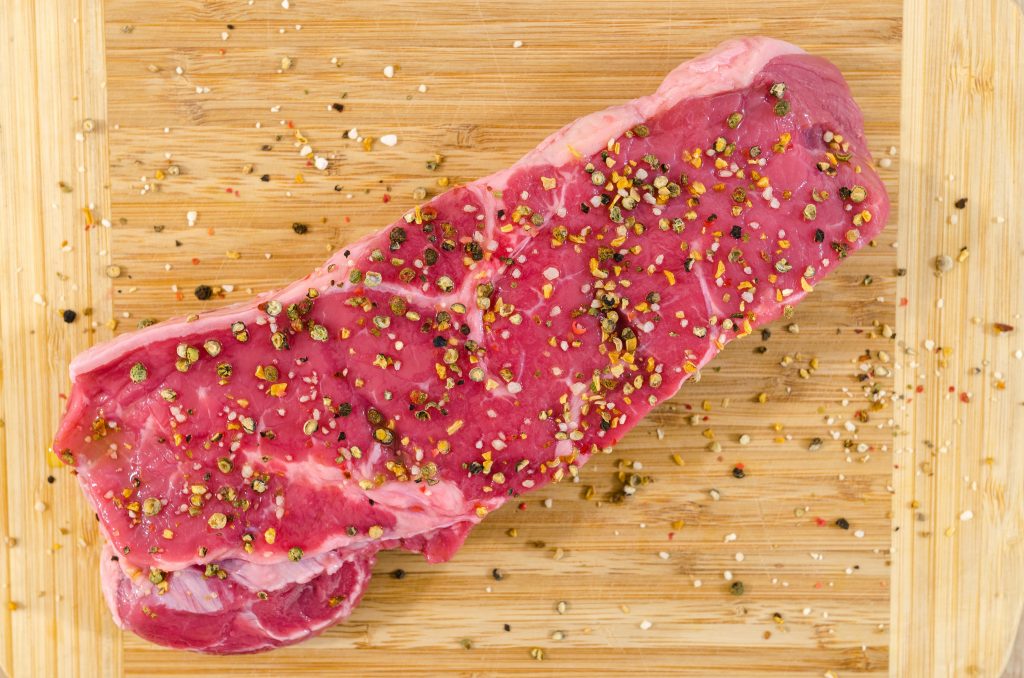
It may be surprising, but most people don’t get enough protein in their daily diet and over time this can affect your weight loss goals. Protein is a vital macronutrient in your diet and weight loss program and helps to build strong bones, muscles and joints. It also helps with satiation, making you feel fuller for longer than carbohydrates. Daily recommendations for protein can vary, but in general a range of 25-25% of daily calories is a healthy recommended range. Click here to check out our blog on healthy protein sources if you need some more ideas on increasing protein in your daily diet.
3. You Need to Drink More Water

Water is an important component of a healthy weight loss plan, and vital to daily survival. But still many people don’t drink enough daily water. According to Healthline, “In one 12 week study, people who drank half a liter of water 30 minutes before meals lost 44% more weight than those who did not. Drinking water has also been shown to boost the number of calories burned by 24-30% over a period of 1.5 hours”. It is also important to note that feelings of hunger and thirst can be confused. You may feel hungry when you are in fact dehydrated. If you find yourself feeling hungry during the day, but not sure if you should eat or drink, first try a glass of water and wait 20 minutes to see if your cravings are curbed. If you are truly hungry then you can have a small, healthy snack.
4. You’re Eating Too Fast

It takes time for the brain to realize that the stomach is full. A study by webmd revealed that it can take up to 12 minutes for the satiety signals to travel from the stomach to the brain, and potentially up to 20 minutes in an obese individual. If this is the case, when you eat too fast you can potentially ingest too many calories in one sitting before your brain realizes that you are actually full, and by that time it may be too late. With the fast-paced, on-the-go culture in our current world, sitting down to a slow relaxed meal can be a challenge. Setting aside the time to complete a meal can be one key to increasing success in your weight loss program, and it can also be helpful for your mindfulness in eating. Focusing on our meals instead of mindless eating can prevent overeating and making the wrong choices with our foods. Click here to learn more about overeating and how it may be affecting your weight loss success.
5. You’re Drinking Your Calories

It is easy to focus on the food you eat, but many people get a blind spot when it comes to drinks. Sugary coffee drinks, sodas, juices and alcoholic drinks can add the calories quickly. For instance, an average mocha coffee drink can pack up to 360 calories, and a margarita up to 500!! Drinking your calories almost always leads to eating more daily calories, as the drinks are often empty calories, which will not lead to adequate satiation. It doesn’t mean you need to completely give up your favorite drink, but in a weight loss program you need to view them more as occasional treats, not as daily staples. And make sure you log every drink in your food journal so you are aware of how it contributes to your overall daily intake.
6. You’re in a Plateau
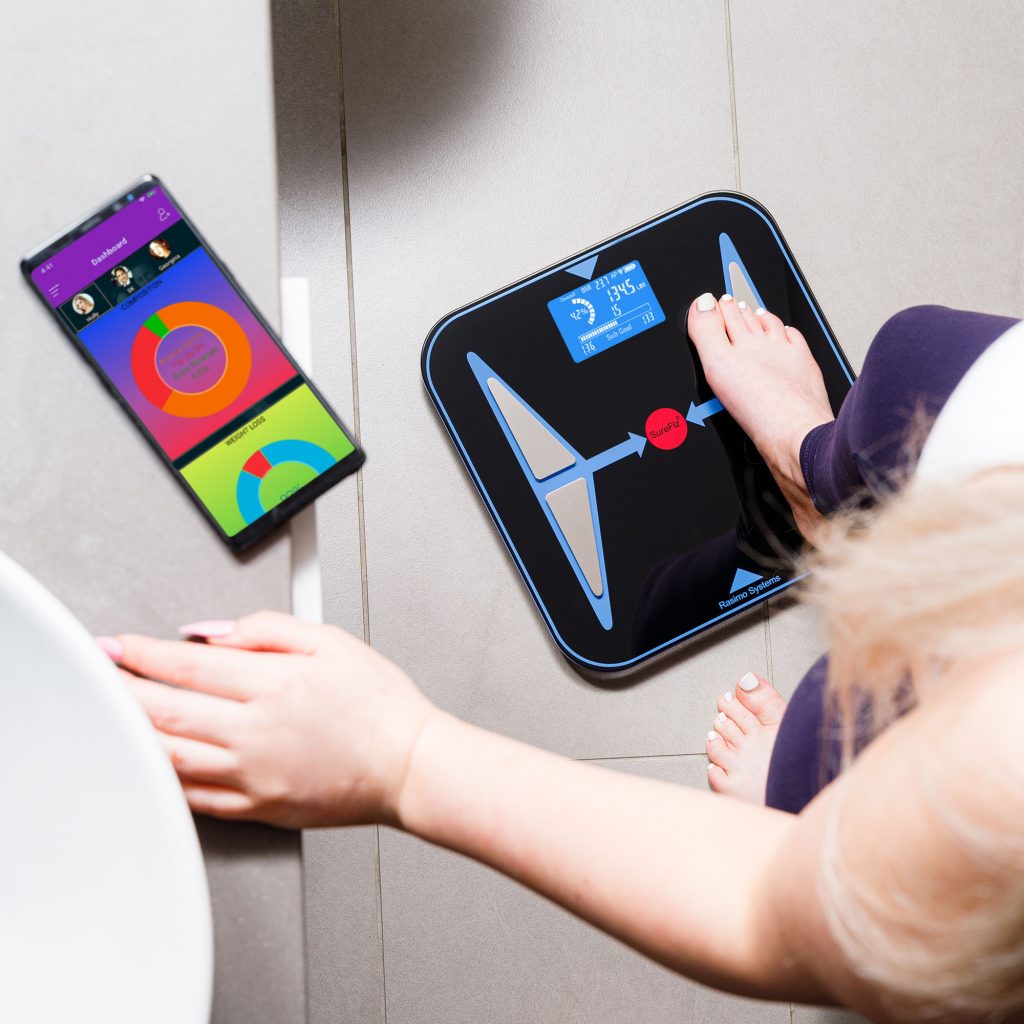
This may come as a surprise, but weight loss is not linear. Many people expect that once they are in a weight loss plan, they will lose the average 1-2 pounds per week and it will not vary. In reality, your body will undergo many changes as you progress on your weight loss journey and not all will be the same. Many people lose weight more quickly at first and the weight loss slows over time. This can be due to many factors including water weight loss, initial fat loss, etc. It is important to keep these things in mind and continue to use your SureFiz scale daily, as it will help you to track your overall progress and see the results over the long-term instead of only seeing what is happening in the current day or week. Discouragement often leads to giving up so you want to stay positive and know that even though it might not be a big weight loss week, you will see results if you stick with your diet plan.
7. You Have Underlying Health Conditions

There are many underlying factors and causes that can contribute to a lack of weight loss. If you find that you have been working hard, tracking calories, staying true to your workout program and you are not losing weight for a long period of time, you may have hormonal imbalances or some other health conditions that are playing a part. If you suspect you are experiencing some underlying health conditions that are contributing to your struggle to lose weight, you may find it helpful to make an appointment with your doctor, a dietitian, or even hormone specialist to help identify the potential underlying causes. There are many specialists who can guide you on your weight loss journey and with the proper diagnosis you can be back on track quickly to lose the weight for good and gain optimal health.
No matter what stage of your health and weight loss journey, you can expect some obstacles. It is not always easy and not always perfect, but it is truly rewarding once you reach that weight loss or fitness goal. Stay on course, continue to work hard and you will see results. Remember to check out surefiz.com and our social media accounts regularly for more diet and weight loss tips, recipes and workout plans. We are here with you for every step of your journey and we celebrate with you as you reach your weight loss goals!
]]>Deprecated: Creation of dynamic property WP_Term::$cat_ID is deprecated in /var/www/surefiz.com/html/forum/wp-includes/category.php on line 378
Deprecated: Creation of dynamic property WP_Term::$category_count is deprecated in /var/www/surefiz.com/html/forum/wp-includes/category.php on line 379
Deprecated: Creation of dynamic property WP_Term::$category_description is deprecated in /var/www/surefiz.com/html/forum/wp-includes/category.php on line 380
Deprecated: Creation of dynamic property WP_Term::$cat_name is deprecated in /var/www/surefiz.com/html/forum/wp-includes/category.php on line 381
Deprecated: Creation of dynamic property WP_Term::$category_nicename is deprecated in /var/www/surefiz.com/html/forum/wp-includes/category.php on line 382
Deprecated: Creation of dynamic property WP_Term::$category_parent is deprecated in /var/www/surefiz.com/html/forum/wp-includes/category.php on line 383
Deprecated: Creation of dynamic property WP_Term::$cat_ID is deprecated in /var/www/surefiz.com/html/forum/wp-includes/category.php on line 378
Deprecated: Creation of dynamic property WP_Term::$category_count is deprecated in /var/www/surefiz.com/html/forum/wp-includes/category.php on line 379
Deprecated: Creation of dynamic property WP_Term::$category_description is deprecated in /var/www/surefiz.com/html/forum/wp-includes/category.php on line 380
Deprecated: Creation of dynamic property WP_Term::$cat_name is deprecated in /var/www/surefiz.com/html/forum/wp-includes/category.php on line 381
Deprecated: Creation of dynamic property WP_Term::$category_nicename is deprecated in /var/www/surefiz.com/html/forum/wp-includes/category.php on line 382
Deprecated: Creation of dynamic property WP_Term::$category_parent is deprecated in /var/www/surefiz.com/html/forum/wp-includes/category.php on line 383
Deprecated: Creation of dynamic property WP_Term::$cat_ID is deprecated in /var/www/surefiz.com/html/forum/wp-includes/category.php on line 378
Deprecated: Creation of dynamic property WP_Term::$category_count is deprecated in /var/www/surefiz.com/html/forum/wp-includes/category.php on line 379
Deprecated: Creation of dynamic property WP_Term::$category_description is deprecated in /var/www/surefiz.com/html/forum/wp-includes/category.php on line 380
Deprecated: Creation of dynamic property WP_Term::$cat_name is deprecated in /var/www/surefiz.com/html/forum/wp-includes/category.php on line 381
Deprecated: Creation of dynamic property WP_Term::$category_nicename is deprecated in /var/www/surefiz.com/html/forum/wp-includes/category.php on line 382
Deprecated: Creation of dynamic property WP_Term::$category_parent is deprecated in /var/www/surefiz.com/html/forum/wp-includes/category.php on line 383
Are you having a hard time cutting down on sugar intake? Here are some ways to help decrease sugar consumption in your diet plan.
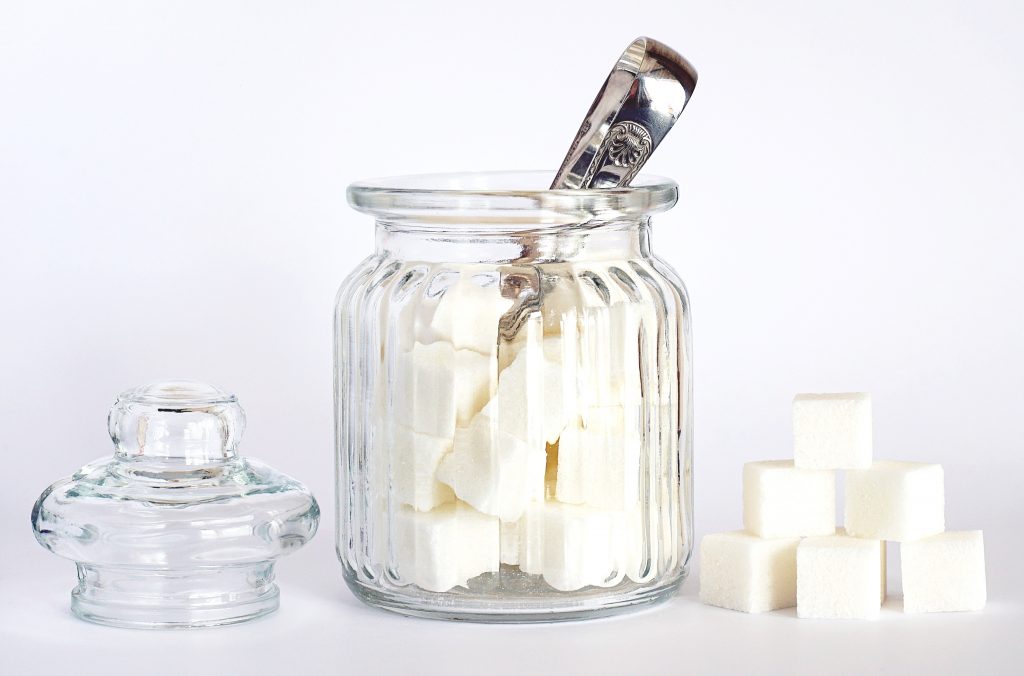
Is Sugar Bad for You?
Sugar is a huge component of the processed American diet and can be found in many foods we consume on a regular basis, even when trying to eat a healthy, well balanced diet. Yet many Americans don’t know how much they should be eating for weight loss and whether or not sugar consumption is bad for you. If you are trying to lose weight, watching your sugar intake can be very important and certainly can affect your overall success in your weight loss goals. Although some sugar is ok to consume in moderation, excess sugar intake can be linked to weight gain, heart disease, fatty liver disease, diabetes, cause acne, increase your risk of cancer and more (Healthline). In general, when you are trying to lose weight and reach your goals, it is a good idea to be watching sugar intake and try to eat as much low sugar foods as possible.
How Much Sugar is Too Much?
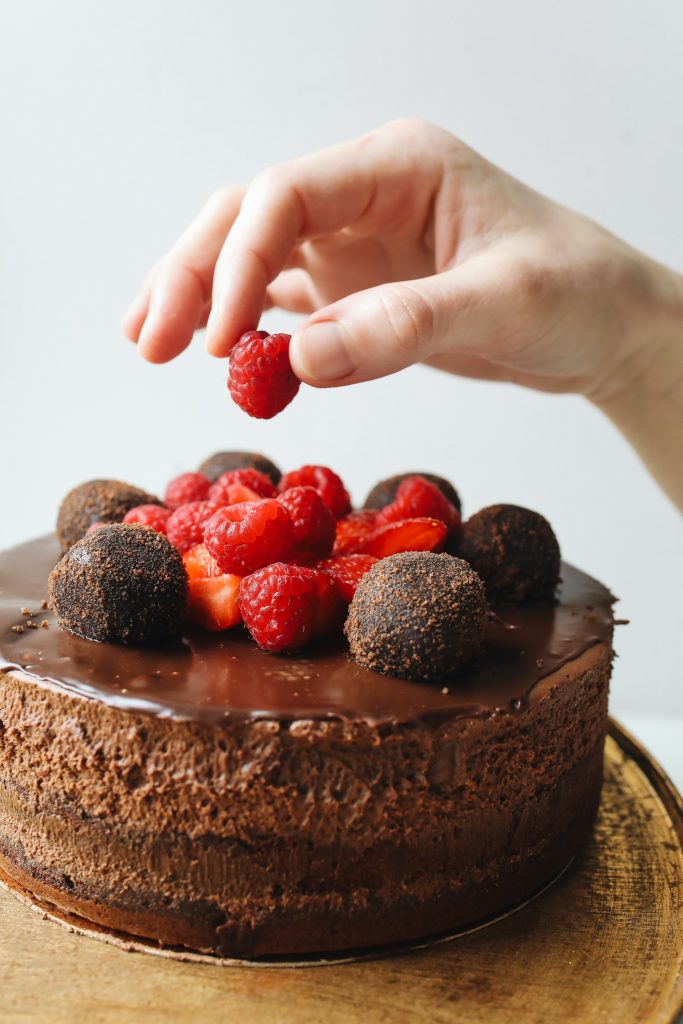
According to the American Heart Association, American adults consume an average of 77 grams of sugar per day, more than 3 times the recommended amount for women, and American kids consume 81 grams per day, equaling over 65 pounds of added sugar per year. All of this excess sugar is leading to many different health problems, as well as causing unnecessary weight gain in many American adults. In order to succeed in your diet and weight loss plan, you need to know how much sugar is too much. Once you are informed you can plan accordingly and work to decrease your sugar intake. The American Heart Association reports that men should consume no more than 9 teaspoons of sugar, which equals 36 grams or 150 calories. Women should consume no more than 6 teaspoons of sugar, which equals 25 grams or 100 calories in their daily diets. With the average adult consuming approximately 77 grams of sugar per day, a major overhaul needs to take place to get even close to those recommended numbers.
Is it ok to Eat Fruit?
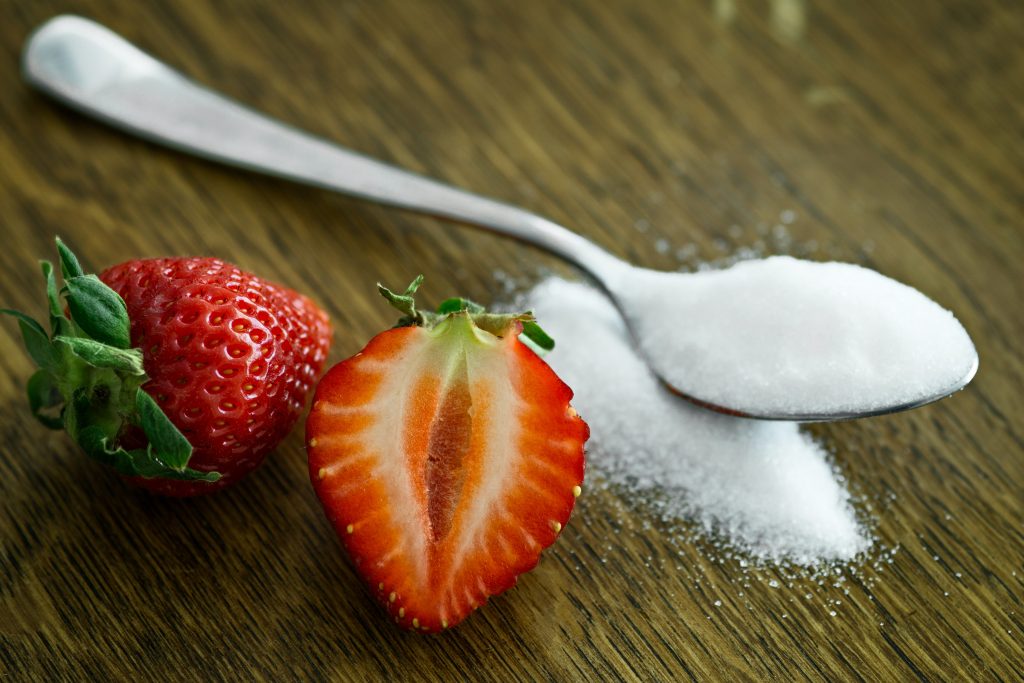
Fruits are technically healthier sources of sugar because they come from natural sources. According to Medical New Today, “fruit tends to contain less sugar than sweetened foods. Almost everyone, including people with diabetes, could benefit from eating more fruit. This is due to the combination of vitamins, minerals, phytochemicals, and water it provides. Fruit contains two types of sugar: fructose and glucose. The proportions of each vary, but most fruits are about half glucose and half fructose. Glucose raises blood sugar, so the body must use insulin to metabolize it. Fructose does not raise blood sugar. Instead, the liver breaks it down”. If you are trying to decide what to eat, always opt for whole fruits versus a processed counterpart. The health benefits and nutrient components in fruit provide necessary nutrients to your diet and weight loss plan. It is important to note that fruits still contain some sugars and calories so they need to be tracked and incorporated into your diet accordingly—you can get too much of a good thing.
Are Artificial Sweeteners Better than Sugar?
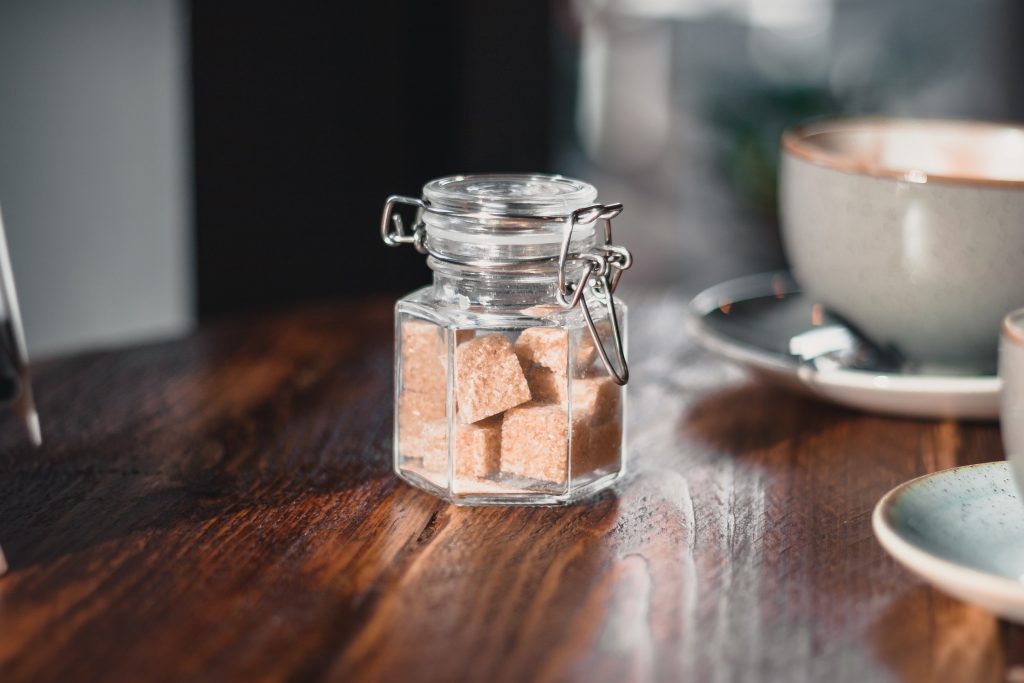
Artificial sweeteners are used in many foods that are marketed as diet foods, because they cut down on the sugar content in the food and can be helpful when trying to eat a lower calorie diet. There are pros and cons to consumption of artificial sweeteners, as with any foods. Artificial sweeteners for the most part do not contribute to tooth decay and generally don’t affect blood sugar levels. But there are some critics who claim artificial sweeteners could increase chances of cancer, and there are studies that show individuals can ingest more than recommended because they might not feel as satiated with sugar substitutes than real sugar (Mayo Clinic). Whether you choose to use artificial sweeteners as part of your diet plan or not, make sure you educate yourself on the type of sweetener and any potential side effects.
Sneaky Sources of Added Sugar
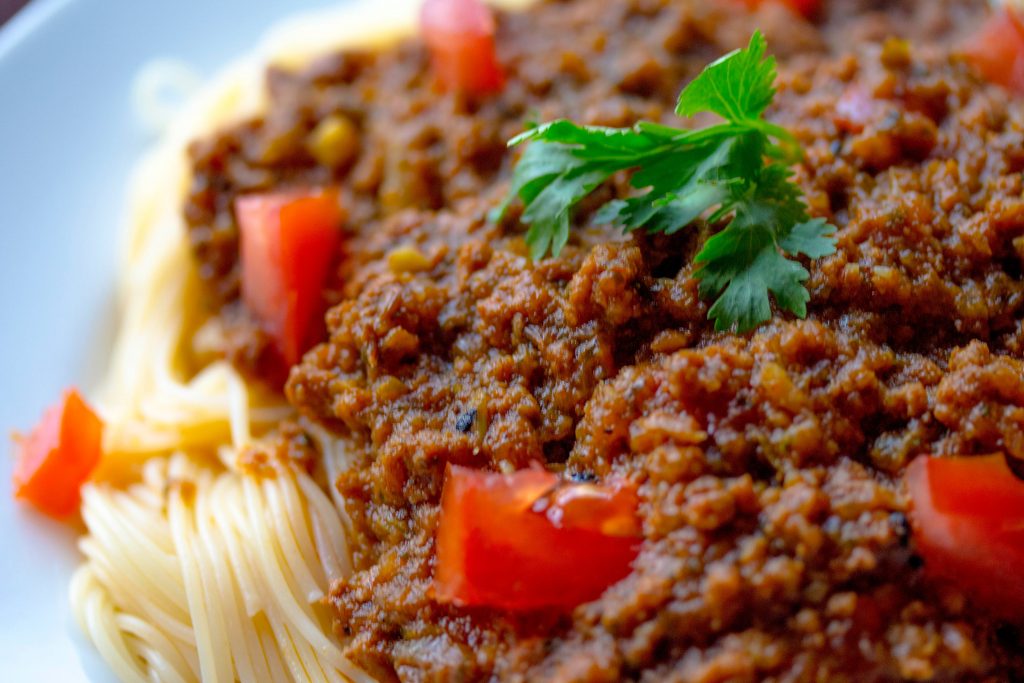
Most people are aware that desserts, sweet treats and sodas are pretty obvious sources of sugar. But for those on a weight loss plan, it can be shocking to find out that even when they cut out added sugars, they are still consuming way more than the recommended daily intake. This is because even many savory foods have loads of sugar. The sources may surprise you, but here are some examples of foods with the highest “surprise” amounts of sugar:
Barbeque Sauce-12 grams
Marinara/Spaghetti Sauce-10 grams
Non Dairy milks (like almond milk)-15 grams
Baked Beans-10 grams
Peanut Butter-6 grams
Salad Dressing-15 grams
(The above examples are approximations, as brands can vary. Always check your labels before buying). As you see above, the sugars can add up quickly, even in these “savory” foods, which can really hinder success in your diet plan. Many companies are beginning to come out with lower sugar options, so take some extra time to read through labels before you make a decision on which item to purchase.
How to Reduce Your Sugar Intake
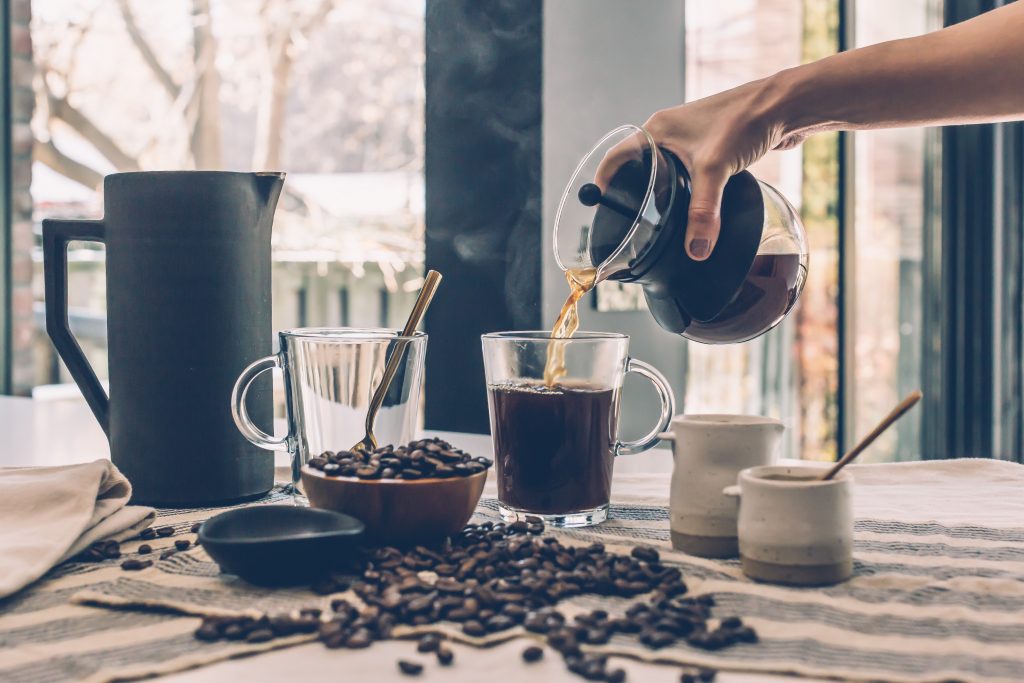
If you are like many Americans, you could benefit from decreasing your daily sugar intake. Some simple swaps can help you lower your overall daily sugar count:
1. Drink unsweetened soda water instead of drinking sodas, juices and energy drinks.
2. Choose plain unsweetened yogurt and add berries instead of the added sugar options.
3. Drink your coffee black or with no sugar added creamers or milks.
4. Make your own salad dressing with olive oil and vinegar instead of store bought options with added sugars.
5. Buy no sugar added oats and sweeten with fruit instead of sugary store bought options.
As a rule of thumb, it is always best to cook with whole foods in the home instead of with a higher sugar/fat processed option. Using lean meats, fresh fruits and vegetables and whole grains will help you reach your health and weight loss goals faster, as well as keep the weight off for good. If you struggle with sugar cravings and need some tips, check out our blog post on how to kick a sugar habit for good. We also recommend tracking your daily food intake because you will always make better choices with more awareness of your foods. There are many apps available that can make food journaling easier and help you make wise choices. As always, we recommend you step on your SureFiz scale daily to track your weight loss progress and to keep you on the right track to reaching your weight loss goals. We are here to help you along every step of your weight loss journey. Follow our social media accounts for more diet tips, workout advice and healthy recipe ideas.
]]>Deprecated: Creation of dynamic property WP_Term::$cat_ID is deprecated in /var/www/surefiz.com/html/forum/wp-includes/category.php on line 378
Deprecated: Creation of dynamic property WP_Term::$category_count is deprecated in /var/www/surefiz.com/html/forum/wp-includes/category.php on line 379
Deprecated: Creation of dynamic property WP_Term::$category_description is deprecated in /var/www/surefiz.com/html/forum/wp-includes/category.php on line 380
Deprecated: Creation of dynamic property WP_Term::$cat_name is deprecated in /var/www/surefiz.com/html/forum/wp-includes/category.php on line 381
Deprecated: Creation of dynamic property WP_Term::$category_nicename is deprecated in /var/www/surefiz.com/html/forum/wp-includes/category.php on line 382
Deprecated: Creation of dynamic property WP_Term::$category_parent is deprecated in /var/www/surefiz.com/html/forum/wp-includes/category.php on line 383
Deprecated: Creation of dynamic property WP_Term::$cat_ID is deprecated in /var/www/surefiz.com/html/forum/wp-includes/category.php on line 378
Deprecated: Creation of dynamic property WP_Term::$category_count is deprecated in /var/www/surefiz.com/html/forum/wp-includes/category.php on line 379
Deprecated: Creation of dynamic property WP_Term::$category_description is deprecated in /var/www/surefiz.com/html/forum/wp-includes/category.php on line 380
Deprecated: Creation of dynamic property WP_Term::$cat_name is deprecated in /var/www/surefiz.com/html/forum/wp-includes/category.php on line 381
Deprecated: Creation of dynamic property WP_Term::$category_nicename is deprecated in /var/www/surefiz.com/html/forum/wp-includes/category.php on line 382
Deprecated: Creation of dynamic property WP_Term::$category_parent is deprecated in /var/www/surefiz.com/html/forum/wp-includes/category.php on line 383
Deprecated: Creation of dynamic property WP_Term::$cat_ID is deprecated in /var/www/surefiz.com/html/forum/wp-includes/category.php on line 378
Deprecated: Creation of dynamic property WP_Term::$category_count is deprecated in /var/www/surefiz.com/html/forum/wp-includes/category.php on line 379
Deprecated: Creation of dynamic property WP_Term::$category_description is deprecated in /var/www/surefiz.com/html/forum/wp-includes/category.php on line 380
Deprecated: Creation of dynamic property WP_Term::$cat_name is deprecated in /var/www/surefiz.com/html/forum/wp-includes/category.php on line 381
Deprecated: Creation of dynamic property WP_Term::$category_nicename is deprecated in /var/www/surefiz.com/html/forum/wp-includes/category.php on line 382
Deprecated: Creation of dynamic property WP_Term::$category_parent is deprecated in /var/www/surefiz.com/html/forum/wp-includes/category.php on line 383
As the 2021 New Year approaches, Americans will set a resolution to eat healthier or lose weight. Here are some tips to help the resolution last all year long.

With every New Year comes a fresh start, and an opportunity to reflect on areas of growth. According to a recent poll on finder.com, an estimated 188.9 million American adults (approximately 74% of the population) have admitted they will set a 2021 New Year’s resolution. Approximately 45% of those claim to be setting a health related resolution, such as weight loss or diet changes. But sadly, according to Psychology Today, an estimated 40% of resolutions fail by March and only 10% of people on average keep their resolutions until the following December.
How to Make a Strong Resolution
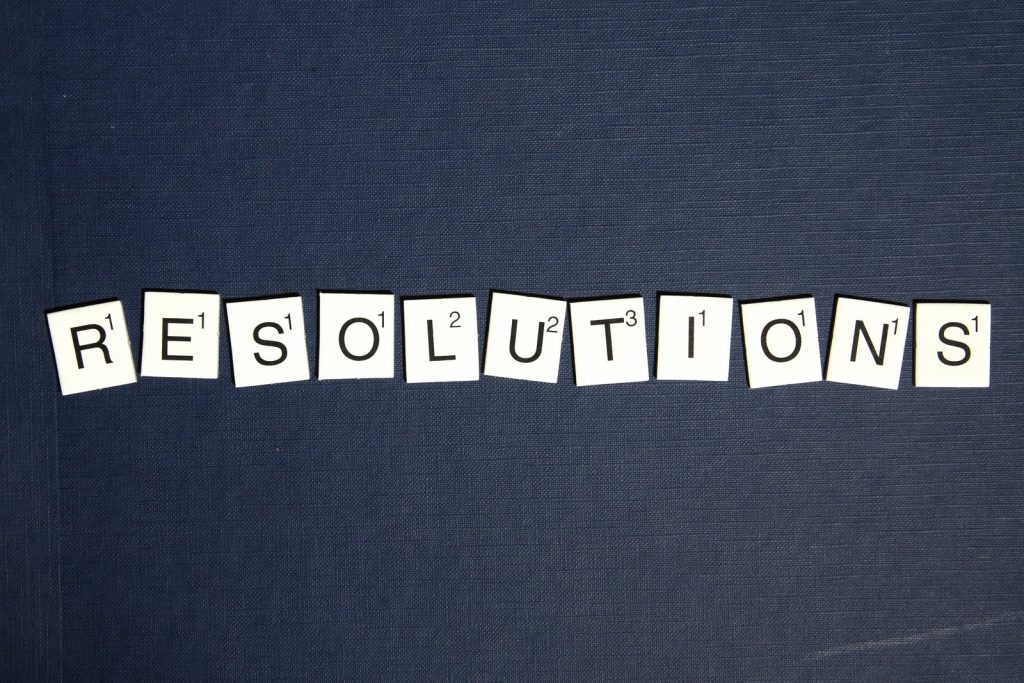
Luckily there are some tips and tricks to help you keep your New Year’s Resolution. The first thing to do is make sure you are setting a resolution that is actually destined for success. Instead of setting lofty, unattainable goals that would set you up for failure (like trying to lose too much weight in too short of a time), sitting down and analyzing why a goal is being set and writing out steps to succeed can help minimize chances that the goal will fail shortly into the New Year. In goal setting, the acronym S.M.A.R.T. can be extremely helpful:
Specific: Is the goal specific, well defined, clear and unambiguous?
Measurable: Set criteria to help measure progress towards the accomplishment of the goal
Achievable: Make sure the goal is attainable and not impossible to achieve
Realistic: The goal is within reach, realistic and relevant
Timely: The goal needs to have a clearly defined timeline, including a start date and target end date. [Retrieved from corporatefinanceinstitute.com]
If your New Year’s resolution in 2021 is to “lose more weight”, breaking it into a S.M.A.R.T goal would be to break it down into smaller subgoals, such as 1 to 2 pounds per week. If you need to lose 20 pounds, your time limit on the goal needs to fit within healthy guidelines for weight loss. So your goal should be to lose 20 pounds by April-May if you begin the first week of January. The SureFiz scale and program helps to break down weight loss goals into smaller subgoals that help you attain the overall weight loss goal more efficiently. It takes the guesswork out of weight loss for you! Be sure you are using the app to help aid you as you set your New Year’s resolutions.
Tips for Long-term success

Another way to ensure you can achieve long-term success with your weight loss resolution is to look at possible obstacles you will face. If your goal is to eat less sugar, but you have a weekly meeting where donuts are offered, you want to find ways to overcome this obstacle before it is facing you. An example of how to handle this could be to either make sure you have eaten before the weekly meeting and aren’t hungry, or sit as far away from the donuts as possible, or even bring a healthy snack option for yourself if you feel the need to eat something. Substituting a healthier habit for your current habit is a strong, proven method to successful behavior modification, according to Psychology Today.
A common obstacle in behavior change and goal setting is what we do when we fail. A few missteps are to be expected on a weight loss journey, such as eating the donut or a piece of pizza. Studies of behavior modification show that our self-talk and self-stories can be extremely powerful motivators in whether we see long-term success (Source: nbcwashington). If you eat the donut or the pizza and then tell yourself you are a failure and can’t stick to the diet plan, then you are much more likely to fail. SureFiz trainer Jenn Ryan recommends preparing ahead of time for small failures and having a positive self-talk response ready to combat any negative feelings. If you are more likely to think you cannot accomplish a goal, then you will most definitely quit at the first sign of challenge. Be ready for these moments with positive reinforcement. An example would be, “One donut won’t ruin my diet. I can start fresh with my healthy lunch and get right back on track. I can do this!” Preparing a positive response before you are faced with your challenging situation will ensure that you actually respond positively and can pivot quickly to get back on course.
New Years resolutions may be tough to keep, but they are not impossible. When it comes to weight loss and diet help, SureFiz is the best tool to help you not only lose the weight but keep it off for good. We can help you be one of the 10-20% of the population who keeps their resolution by the end of 2021. Be sure to check out our website for more diet tips, healthy recipes and weight loss inspiration to keep you motivated throughout the entire year.
]]>Deprecated: Creation of dynamic property WP_Term::$cat_ID is deprecated in /var/www/surefiz.com/html/forum/wp-includes/category.php on line 378
Deprecated: Creation of dynamic property WP_Term::$category_count is deprecated in /var/www/surefiz.com/html/forum/wp-includes/category.php on line 379
Deprecated: Creation of dynamic property WP_Term::$category_description is deprecated in /var/www/surefiz.com/html/forum/wp-includes/category.php on line 380
Deprecated: Creation of dynamic property WP_Term::$cat_name is deprecated in /var/www/surefiz.com/html/forum/wp-includes/category.php on line 381
Deprecated: Creation of dynamic property WP_Term::$category_nicename is deprecated in /var/www/surefiz.com/html/forum/wp-includes/category.php on line 382
Deprecated: Creation of dynamic property WP_Term::$category_parent is deprecated in /var/www/surefiz.com/html/forum/wp-includes/category.php on line 383
Deprecated: Creation of dynamic property WP_Term::$cat_ID is deprecated in /var/www/surefiz.com/html/forum/wp-includes/category.php on line 378
Deprecated: Creation of dynamic property WP_Term::$category_count is deprecated in /var/www/surefiz.com/html/forum/wp-includes/category.php on line 379
Deprecated: Creation of dynamic property WP_Term::$category_description is deprecated in /var/www/surefiz.com/html/forum/wp-includes/category.php on line 380
Deprecated: Creation of dynamic property WP_Term::$cat_name is deprecated in /var/www/surefiz.com/html/forum/wp-includes/category.php on line 381
Deprecated: Creation of dynamic property WP_Term::$category_nicename is deprecated in /var/www/surefiz.com/html/forum/wp-includes/category.php on line 382
Deprecated: Creation of dynamic property WP_Term::$category_parent is deprecated in /var/www/surefiz.com/html/forum/wp-includes/category.php on line 383
With so much information online regarding weight loss and dieting, it can be hard to know what is true vs. speculation. Here is some insight to decipher these myths.
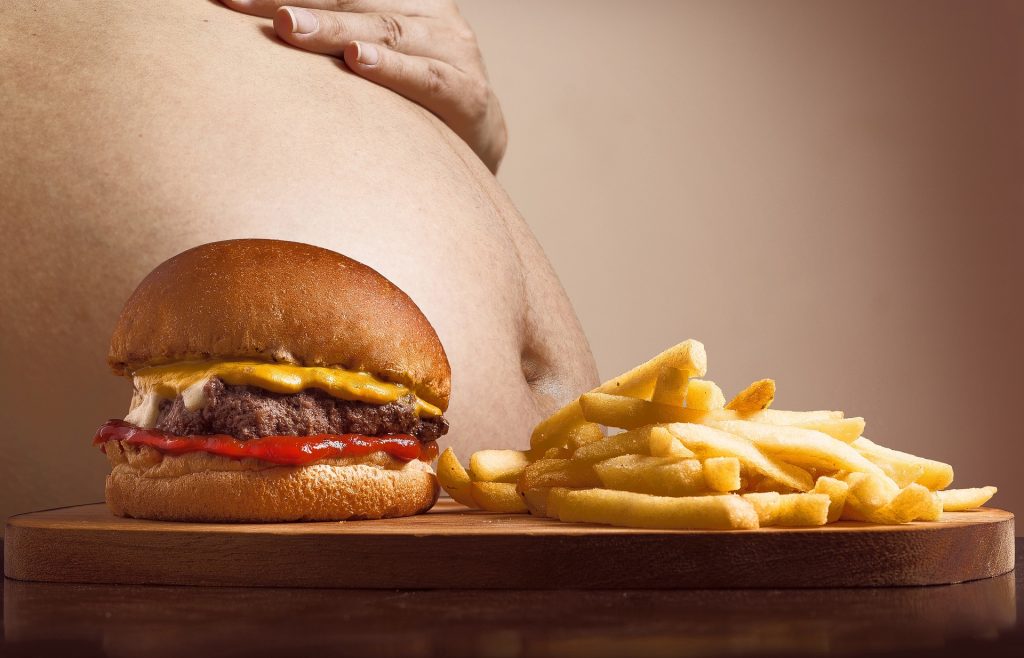
The information age has brought with it many wonderful adaptations to help us when we need information. The Internet can be incredibly helpful when needing to find diet advice during your weight loss journey. But with this endless information can also bring a lot of myths, which can confuse even the savviest of dieters. Although there are many myths and misconceptions when it comes to weight loss, we have found 6 that affect not only your mindset and preconceived notions but can also affect your success on your weight loss journey.
1. All overweight people are unhealthy, and skinny people are all healthy

This misconception can cause an unhealthy mentality for someone trying to lose weight; they may get discouraged and compare themselves in the gym when looking at others of different sizes. Although obesity is a precursor for other health problems such as heart disease, diabetes and more, it is not a guarantee. Many naturally thin people also have health problems. Weight and body size is also not an indicator of fitness level, as genetics can play a part in body size. There are many naturally thin people with smaller bone structure who don’t work out or watch their food intake. Realizing this can help you avoid pre-judgment and unhealthy mental comparisons. Everyone is on an individual weight loss journey and has unique goals.
2. Weight loss is always linear

Losing weight is not a linear process and the misconception that it is can be very discouraging when you’re trying to lose weight. It is normal for the body to fluctuate weight and can be based on many factors, including water retention, salt intake, menstrual cycles for women and other factors. If you lose 3 pounds one week and gain back one pound the next week, don’t stress. Your overall goal is what is most important in the weight loss journey.
3. Snacking is bad when dieting
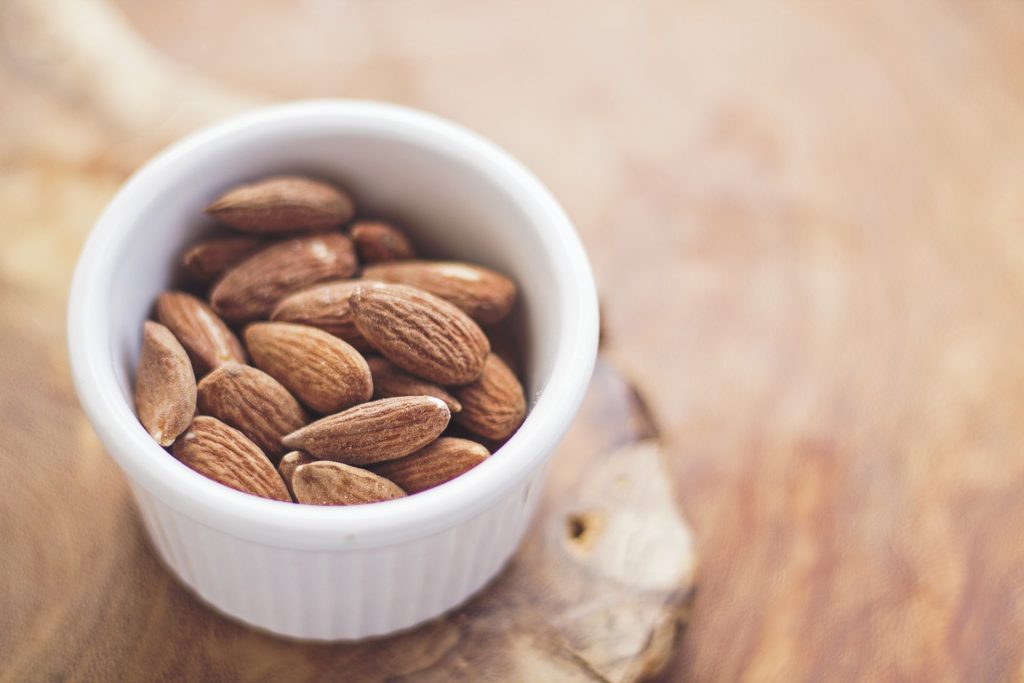
It may seem that snacking all day would hinder a weight loss plan, and it definitely can—but it doesn’t have to be that way. According to webmd, dietitians recommend eating 5 smaller meals throughout the day can help stave off hunger and the urge to overeat. “One of the main reasons snacking has a bad rap is because of the choices we make from, say, vending machines that are packed with chips, cookies, candies, and other delectable — and fattening — treats. The good news is we’re not all chomping on candy bars come 4 p.m. — a whopping 70% of Americans use snacking as a way to incorporate fruits and vegetables into their diets, according to the Produce for Better Health Foundation ”. Finding healthy choices for your snacks is the most important factor. Some healthy choices are: carrots and hummus, apple and almond butter, or grapes and string cheese.
4. Carbohydrates make you gain weight
Low carbohydrate diets have become quite the trend in recent years, but are they the healthiest choice? The answer is a bit more complex. While a lower carbohydrate, higher protein diet can lead to weight loss; it doesn’t mean it is the only way to lose weight. Carbohydrates are a necessary form of fuel that the body needs to function well on a daily basis. It is more important to look at the type of carbohydrates being eaten. Overly processed white breads, sugary pastries, and processed foods are all unhealthy sources of carbohydrate fuel. Conversely, whole grain breads, rice and quinoa are highly nutritious and offer healthy fiber to a daily diet as well. If you are consciously choosing healthy sources of carbohydrates, you will find they compliment your diet and weight loss plan while also offering a source of fuel necessary to get you through the day.
5. Fast food is always fattening
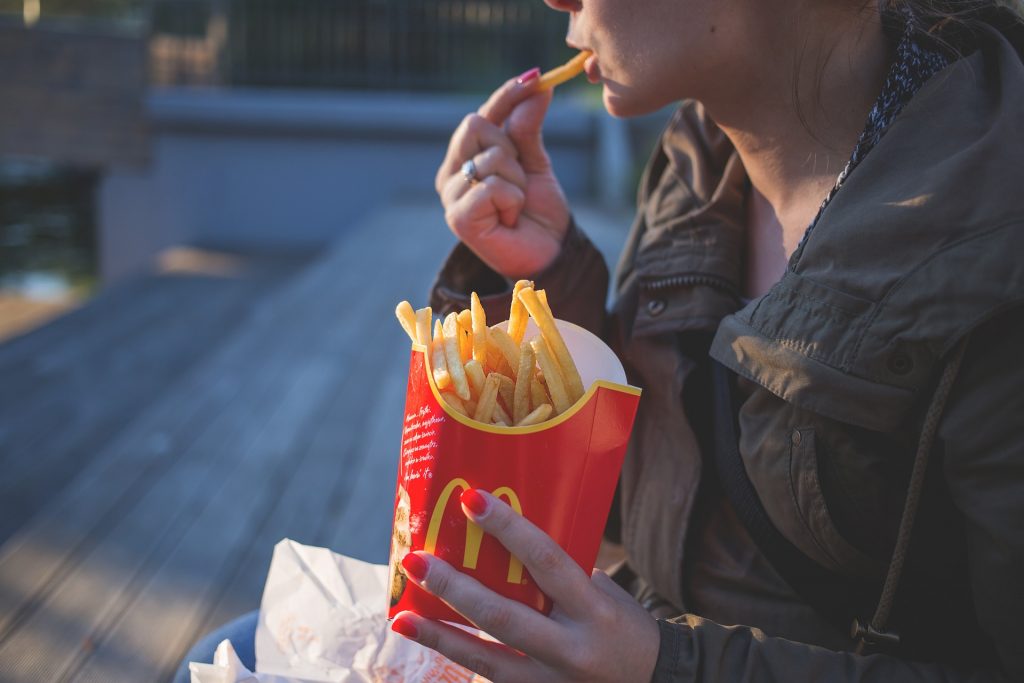
When given the option, making your own healthy food at home is generally the best option. However, don’t fully write off that fast food restaurant as a quick option when you are trying to lose weight. Many fast food restaurants offer healthy options for the diet conscious consumer. According to Healthline, it is possible to get something relatively healthy at most fast food restaurants. If you’re on the go and need a fast stop, make sure you look for grilled chicken, a salad option or even order a burger without the overly processed bun. Many restaurants also offer nutrition information on their website or menu, so you can make an informed decision before placing your order.
6. Cardio is best for weight loss

Many people attempting to lose weight will hit the cardio machines and overdo it. While cardio is a great way to get your heart rate up, burn calories and lose weight, it isn’t the only way and a holistic, variety filled fitness plan is a better choice for long term results. Lifting weights is an often-overlooked component for new dieters because cardio is seen as a more effective calorie burn. But weight lifting can be just as effective in the short term and even more effective in the long term. Lifting weights helps to build lean muscle that is so important to overall health. Lean muscle mass also burns more calories over time, so having more muscle strength on the body will help it to be more efficient in the long run. Resistance training through weight lifting should be incorporated at least 2-3 times per week for maximum results. SureFiz trainer Jenn Ryan suggests finding a weight load that is heavy enough to fatigue the muscles in 12-15 reps. Lifting weights that are too light will not produce the desired weight loss results in your fitness plan, so grab some heavier weights and push yourself!
Although it can be overwhelming to have so much information available at the click of a button, doing a little bit more research can help you find more success in your weight loss program. Visit surefiz.com for more helpful tips, diet advice, recipes and workout tips. Be sure to follow us on instagram, twitter or facebook to see our updates and daily inspiration.
]]>Deprecated: Creation of dynamic property WP_Term::$cat_ID is deprecated in /var/www/surefiz.com/html/forum/wp-includes/category.php on line 378
Deprecated: Creation of dynamic property WP_Term::$category_count is deprecated in /var/www/surefiz.com/html/forum/wp-includes/category.php on line 379
Deprecated: Creation of dynamic property WP_Term::$category_description is deprecated in /var/www/surefiz.com/html/forum/wp-includes/category.php on line 380
Deprecated: Creation of dynamic property WP_Term::$cat_name is deprecated in /var/www/surefiz.com/html/forum/wp-includes/category.php on line 381
Deprecated: Creation of dynamic property WP_Term::$category_nicename is deprecated in /var/www/surefiz.com/html/forum/wp-includes/category.php on line 382
Deprecated: Creation of dynamic property WP_Term::$category_parent is deprecated in /var/www/surefiz.com/html/forum/wp-includes/category.php on line 383
Deprecated: Creation of dynamic property WP_Term::$cat_ID is deprecated in /var/www/surefiz.com/html/forum/wp-includes/category.php on line 378
Deprecated: Creation of dynamic property WP_Term::$category_count is deprecated in /var/www/surefiz.com/html/forum/wp-includes/category.php on line 379
Deprecated: Creation of dynamic property WP_Term::$category_description is deprecated in /var/www/surefiz.com/html/forum/wp-includes/category.php on line 380
Deprecated: Creation of dynamic property WP_Term::$cat_name is deprecated in /var/www/surefiz.com/html/forum/wp-includes/category.php on line 381
Deprecated: Creation of dynamic property WP_Term::$category_nicename is deprecated in /var/www/surefiz.com/html/forum/wp-includes/category.php on line 382
Deprecated: Creation of dynamic property WP_Term::$category_parent is deprecated in /var/www/surefiz.com/html/forum/wp-includes/category.php on line 383
If the holidays have left you bloated from overeating, check out some simple ways to change your habits and see better results in your weight loss journey
As we begin to wrap up the holiday season of 2020, many Americans are evaluating their lifestyles over the past year and vowing to begin 2021 with healthier food choices. If you are one of many Americans who struggle with overeating around the holidays, you are not alone. But if you struggle to control quantities and eat too much on a regular basis, you can severely hinder your weight loss plan and end up gaining weight instead of losing. SureFiz trainer and health coach Jenn Ryan has some advice to help you successfully lose weight and control your eating as you begin the New Year.
1. Start a Food Journal

Writing your food down can help you with more awareness of what you are eating but it can also help you see quantities. There are many online journals and apps to help you track your food. Many of them also calculate calories, macros and activity so you can see how you are doing on a daily basis and make adjustments as necessary.
2. Get Rid of Distractions
It’s much easier to overeat when you are in front of the television with a bag of chips. In an hour you could have mindlessly eaten the entire bag! Snacking while distracted almost always leads to overeating. If you find that you are hungry while you are working or watching television at night, put a small amount of snack into a bowl so that you have a limit to how much you eat. Try to find something that has protein to help you feel satiated so that you will be less likely to overeat. If you need help fitting protein in your diet, check out our blog on Simple Ways to Add More Protein. And make sure you add those snacks to your food journal so you can track everything.
3. Eat Your Veggies First!

Eating vegetables at the beginning of the meal can help you feel full faster, and prevent overeating items such as bread or starchy, high carbohydrate foods. Vegetables are also a healthy source of fiber in your daily diet and they can fill you up before you binge on less healthy options. Since most vegetables are also very low in calories, feel free to eat as many as you want!
4. Measure your Food
Measuring your food ahead of time will also prevent you from overeating. It is very easy to “eyeball” an amount of food and think it’s a certain amount when it is actually much more. One example would be rice. 1 cup of rice has a whopping 200 calories and almost 50 grams of carbohydrates. If you accidentally pile 2 cups on your plate, you’ve added a lot of calories and carbohydrates that won’t necessarily make you feel any more full, but could likely be the difference between losing weight, maintaining weight or even gaining weight. You can use measuring cups or even a food scale to weigh your food before putting it on your plate.
5. Serve Yourself in the Kitchen
Family style dining at the table may seem cozy and inviting, but it could be derailing your diet plan. When food is in front of you and easy to grab, you are much more likely to reach for seconds or thirds. By measuring your food on a plate and bringing it to the table, you are less likely to reach for more once you finish your first serving.
6. Eat with Smaller Plates
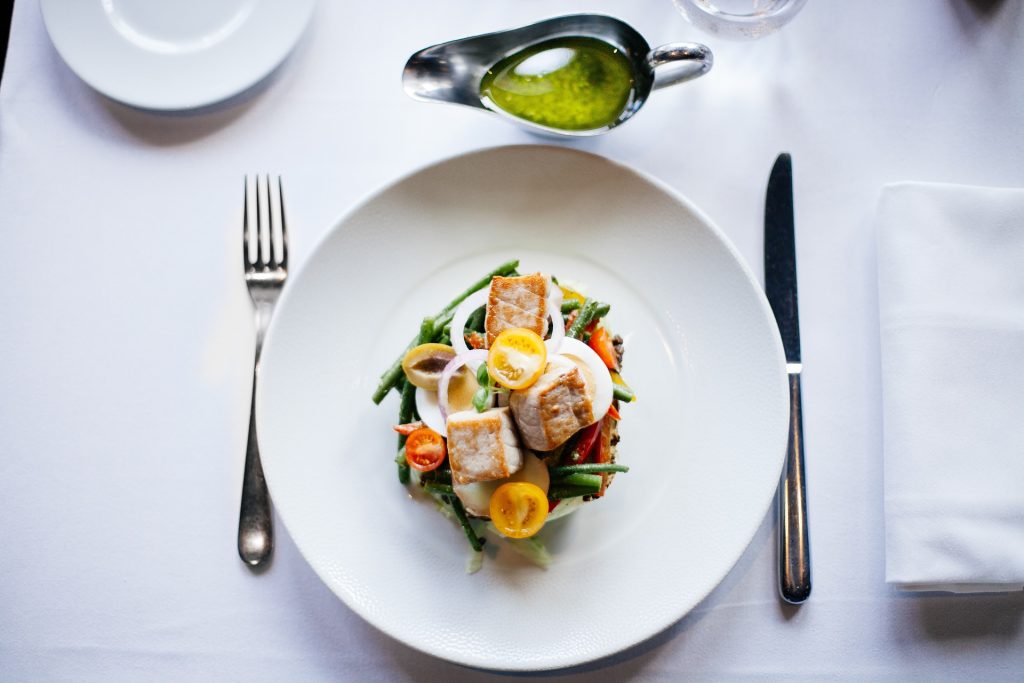
If you’ve ever heard the saying, “my eyes were bigger than my stomach”, it can apply here. When you plate your food, you will likely fill the circumference of your plate, no matter the size. If you use a large dinner plate and fill it up, you will likely over feed yourself and eat more than you need. By using a smaller plate or even a salad size plate you can serve yourself much less food to begin with and if you feel you need more after, you can have a small amount more.
7. Don’t Overstock Your Pantry
If your pantry is full of your favorite snacks, treats, processed foods and sugar, you will likely reach for those items mindlessly through the day. When you grocery shop, be very mindful of all the items on your grocery list and try to buy simple, healthy foods. If you don’t have salty, high fat or processed snacks easy to grab, you won’t be setting yourself up for failure when those late night cravings hit. Your favorite snack foods are much more likely to tempt you when they are in your pantry. If you have to go to the store and purchase them, the likelihood goes down a lot.
8. Meal Plan
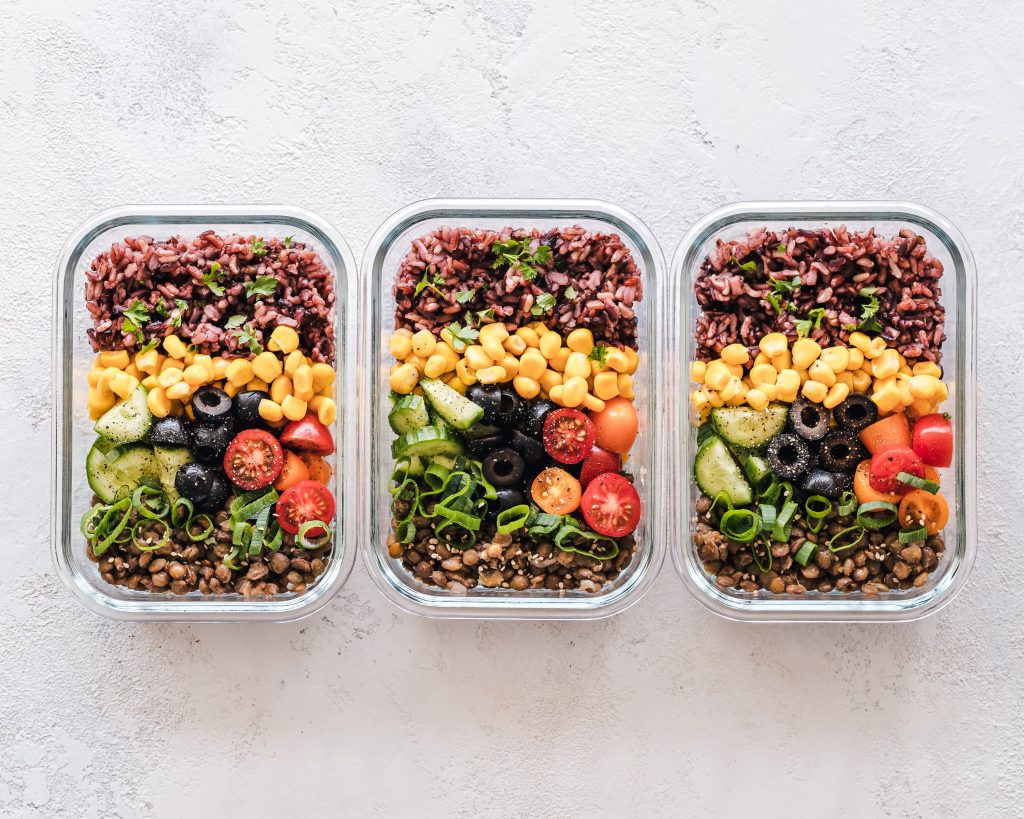
Planning your meals and thinking ahead is a great way to set yourself up for future success. If you set aside time at the beginning of your week when you are focused and intentional, you can avoid the last minute decisions made when you are busy and need to grab something easy and quick. Meal planning can also help you keep your calories down because you can set your plan based on calorie counts in recipes you find. Be sure to find recipes that are high in protein and low in sugars and saturated fats to help your body fuel and feel satiated for longer.
9. Eat Smaller Meals
Eating smaller meals and snacks at regular intervals throughout the day will help you maintain a regular, healthy blood sugar level and avoid a blood sugar crash that could lead you to feel starving and binge eat everything you see. Planning to eat 3 small meals—breakfast, lunch, and dinner with 2-3 small snacks in between can help you go too long in between meals. Make sure if you are busy and running around throughout the day that you have simple easy snacks with you in your purse or car. Protein bars are great for this purpose. They are simple to grab, easy to eat and packed with protein to keep you feeling full while you are out.
Overeating and mindless eating is easy to do, especially when you are trying to lose weight. It is not impossible to get control of your eating habits but it does take some mindful effort and planning. Using these tips to help you in your weight loss journey can help you find success in your program faster, and with better lasting results. These tips are helpful not only during a weight loss program but also for a lifetime of healthy habits. If you need advice on weight loss, diet tips, recipes and more, check out our website at surefiz.com.
]]>