Deprecated: Creation of dynamic property WP_Term::$cat_ID is deprecated in /var/www/surefiz.com/html/forum/wp-includes/category.php on line 378
Deprecated: Creation of dynamic property WP_Term::$category_count is deprecated in /var/www/surefiz.com/html/forum/wp-includes/category.php on line 379
Deprecated: Creation of dynamic property WP_Term::$category_description is deprecated in /var/www/surefiz.com/html/forum/wp-includes/category.php on line 380
Deprecated: Creation of dynamic property WP_Term::$cat_name is deprecated in /var/www/surefiz.com/html/forum/wp-includes/category.php on line 381
Deprecated: Creation of dynamic property WP_Term::$category_nicename is deprecated in /var/www/surefiz.com/html/forum/wp-includes/category.php on line 382
Deprecated: Creation of dynamic property WP_Term::$category_parent is deprecated in /var/www/surefiz.com/html/forum/wp-includes/category.php on line 383
Deprecated: Creation of dynamic property WP_Term::$cat_ID is deprecated in /var/www/surefiz.com/html/forum/wp-includes/category.php on line 378
Deprecated: Creation of dynamic property WP_Term::$category_count is deprecated in /var/www/surefiz.com/html/forum/wp-includes/category.php on line 379
Deprecated: Creation of dynamic property WP_Term::$category_description is deprecated in /var/www/surefiz.com/html/forum/wp-includes/category.php on line 380
Deprecated: Creation of dynamic property WP_Term::$cat_name is deprecated in /var/www/surefiz.com/html/forum/wp-includes/category.php on line 381
Deprecated: Creation of dynamic property WP_Term::$category_nicename is deprecated in /var/www/surefiz.com/html/forum/wp-includes/category.php on line 382
Deprecated: Creation of dynamic property WP_Term::$category_parent is deprecated in /var/www/surefiz.com/html/forum/wp-includes/category.php on line 383
Do you struggle to fall asleep or stay asleep? Here are some tips to help you sleep better and wake up refreshed and ready to tackle your weight loss program

Getting a good night’s sleep is imperative to success during weight loss. But many people struggle with sleep issues. They can range from troubles falling asleep, staying asleep or even just restless sleep during the night. And some sleep health issues such as sleep apnea, snoring and insomnia can have dangerous long term side effects for those who suffer. Many people in the past year have also attributed Coronavirus pandemic stress and anxiety to causing sleep disturbances. If you have suffered for years or only recently begun to feel the strain from sleep issues, there are some healthy, natural options to help you get a better night’s sleep.
Why is Sleep so Important?
Sleep is vital to well being, especially when working towards healthy weight loss goals. According to the National Institute of Health, “getting enough quality sleep at the right times can help protect your mental health, physical health, quality of life, and safety. The way you feel while you’re awake depends in part on what happens while you’re sleeping. During sleep, your body is working to support healthy brain function and maintain your physical health. In children and teens, sleep also helps support growth and development”.
During sleep, many functions in the body heal and repair, including muscles. This can aid in injury prevention, as well as giving you energy to tackle your next workout. The brain also rejuvenates during sleep which is vital to daily function–not just at work or school but also in making healthy choices in a daily diet plan. If you are not getting enough sleep, you are more likely to turn to unhealthy sugary food options to help energize and fuel your day. This will backfire though, as the initial boost from sugar will lead to an energy crash later, not to mention added sugar will impede any success in your goal to achieving weight loss. Experts recommend a range of sleep based on age. According to the CDC, adults need a range of 7-9 hours of sleep per night. Children between the ages of 1 and 5 need anywhere from 10-14 hours of sleep, between daily naps and nightly sleep. Older children and teens need a range of 8-12 hours per night. Regrettably, many people don’t accomplish these hourly sleep goals for a range of reasons, but they are so vital to keeping your body strong, refreshed and ready to tackle everything in your day-from work to your fitness program to your healthy diet plan. If you are one of many who struggle with a good night’s sleep, try some of these tips to help you fall asleep and stay asleep:
Keep a consistent sleep pattern
Our bodies function in circadian rhythms. Circadian rhythms are 24-hour cycles that are part of the body’s internal clock, running in the background to carry out essential functions and processes. One of the most important and well-known circadian rhythms is the sleep-wake cycle. [source: sleepfoundation.org] Going to bed and waking up at the same time each day will help keep your body in a consistent sleep pattern, making it easier to fall asleep at the same time each night and keeping your body’s rhythm in sync allowing you to also easily wake up in the morning.
Limit Napping
A short 15-20 minute power nap can help rejuvenate and energize you, but long drawn out afternoon naps can actually disturb your sleep-wake cycle and make it harder to fall asleep at night. If you feel the need to lay down and rest, be sure to set an alarm or timer so that you don’t fall into too deep of a sleep and remain napping for too long. It can also be helpful to keep naps earlier in the afternoon, versus later in the evening or close to your intended bedtime.

Don’t Drink Caffeine Late in the Day
While caffeine may be the go-to drink first thing in the morning for many, it can be hindering your ability to fall asleep at night if you consume it too close to bedtime. According to Healthline, “consuming caffeine up to 6 hours before bed significantly worsened sleep quality. Caffeine can stay elevated in your blood for 6–8 hours. Therefore, drinking large amounts of coffee after 3–4 p.m. is not recommended, especially if you’re sensitive to caffeine or have trouble sleeping”. If you’re looking for something to drink in the afternoon, decaffeinated coffee or tea can be an option. This will give you the comforting effects of an afternoon drink without the potential of disrupting your sleep patterns.
Try Supplements
There are many supplements on the market that can relax the body and help you fall asleep at night. One main supplement found to be helpful in many studies is melatonin. Melatonin is a hormone in the body that helps tell the brain it is time to go to sleep at night. Using a natural melatonin supplement in the ranges of 1-5 mg per night to help you sleep has been shown in many studies to aid in falling asleep and staying asleep. [source: Healthline]. Other supplements that have had positive results in some studies are lavender, magnesium, CBD, and gingko biloba. These supplements work to relax and calm the body, helping you feel ready to fall asleep when it’s time.
Cut the Midnight Snacking
Reaching for a late at night snack or late meal can hinder your sleep process. The body secretes hormones to help break down food and these processes can keep you more awake and unable to fall asleep. If you end up starving late at night, be sure to reach for smart choices. High sugar foods are a bad choice (not just for your diet plan, but also for sleep) but maybe a small glass of milk or a slice of turkey can be enough to fill you up without giving too much of a burst of energy late at night.
Set an Ideal Bedroom Environment
There are many aspects to a bedroom that can help you sleep at night. First and foremost is the comfort of your bed. It may be time to upgrade your mattress if you find that you are waking up with a sore back or neck every morning and it can certainly affect the quality of sleep you get at night. It is also important to keep a bedroom dark to help with circadian rhythm. Room temperature can be overlooked but is extremely important, as many people find it hard to sleep in too hot of an environment. The ideal room temperature may vary from person to person, but a general range to try is anywhere from 65-69 degrees fahrenheit.
Exercise Regularly
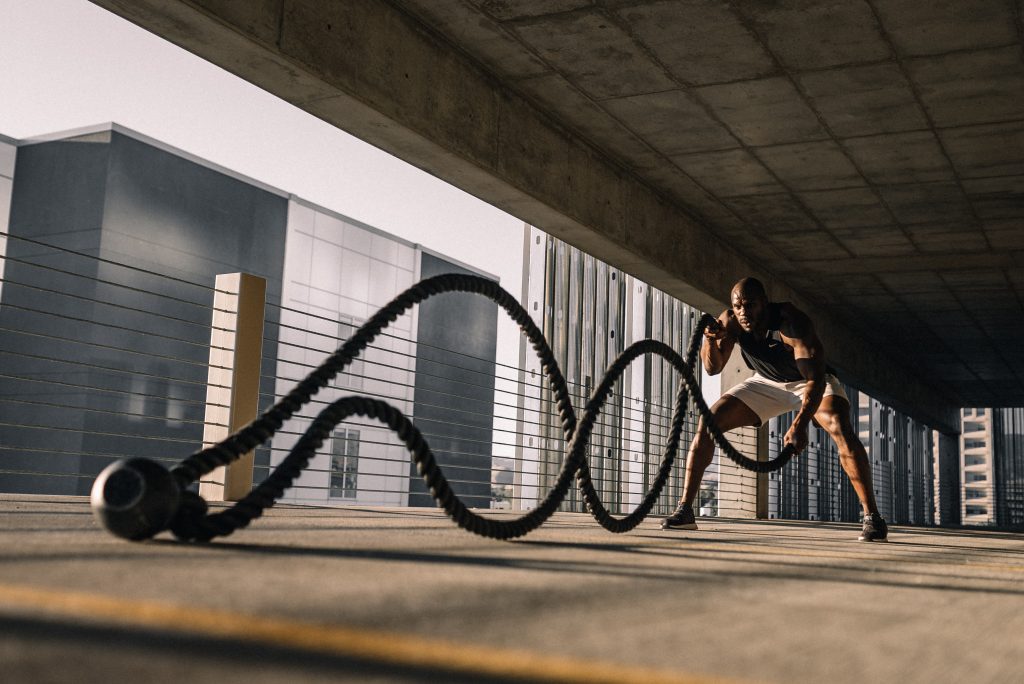
Regular exercise has many health benefits, beyond weight loss and building strength. It can also help you fall asleep and stay asleep. It is important to do your best to try and workout around the same time each day, and not to workout too close to bedtime. If you workout too late at night, your body is stimulated and energized and it can take some time to calm the body back down. SureFiz trainer Jenn Ryan recommends finishing your workout no less than 2-3 hours before your bedtime to allow time for heart rate to recover and allow for adequate protein and fuel intake for muscle recovery. If an evening workout doesn’t fit your schedule, try an early morning workout, which has many health benefits for your weight loss journey.
Reduce Liquids Close to Bed
Drinking a lot of water right before bed is a sure fire way to interrupt your sleep patterns. Increased liquid intake will increase urine output and lead to waking up multiple times a night. Having this sleep disruption on a regular basis will lead to problems in your sleep-wake cycle and lead you to feeling more lethargic during the day. To prevent this from happening, make sure you are drinking adequate amounts of water throughout the day, beginning right when you wake up. Keeping your body properly hydrated all day will help combat late night thirst and needing to drink large amounts of water at night. Try to stop drinking water 1-2 hours before bedtime to reduce the need to go to the bathroom in the middle of the night.

Turn off Electronics
There are many reasons to turn off those cell phones and televisions before bed, but a few important reasons that you should consider in regards to your health and wellness program. First of all, electronics emit a blue light that tricks your brain into thinking it’s daytime and can keep you awake. But another issue that can prevent a relaxing bedtime is social media, the news or anything that keeps your brain going at night. If you find that you need something to unplug at night, a nice magazine or book can help relax you without the addition of a blue light to keep you energized.
Sleep is so important for overall health and wellness, but especially when trying to lose weight and stick to a workout plan. While not all of these tips may be necessary for each individual, give some of these a try and see if they can help you with achieving restful sleep and waking feeling refreshed, ready to tackle your day. Visit surefiz.com for more weight loss and health advice to help you reach those fitness goals.
]]>Deprecated: Creation of dynamic property WP_Term::$cat_ID is deprecated in /var/www/surefiz.com/html/forum/wp-includes/category.php on line 378
Deprecated: Creation of dynamic property WP_Term::$category_count is deprecated in /var/www/surefiz.com/html/forum/wp-includes/category.php on line 379
Deprecated: Creation of dynamic property WP_Term::$category_description is deprecated in /var/www/surefiz.com/html/forum/wp-includes/category.php on line 380
Deprecated: Creation of dynamic property WP_Term::$cat_name is deprecated in /var/www/surefiz.com/html/forum/wp-includes/category.php on line 381
Deprecated: Creation of dynamic property WP_Term::$category_nicename is deprecated in /var/www/surefiz.com/html/forum/wp-includes/category.php on line 382
Deprecated: Creation of dynamic property WP_Term::$category_parent is deprecated in /var/www/surefiz.com/html/forum/wp-includes/category.php on line 383
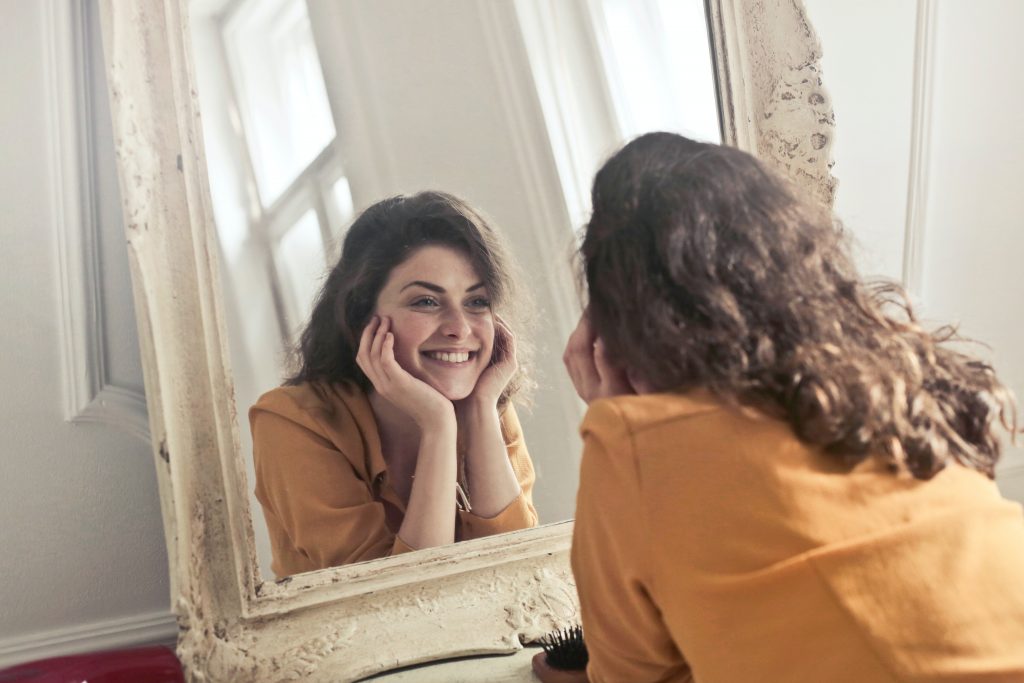
What is Body Image?
Everyone has a body image, whether positive or negative. But what exactly is body image and how does it affect our daily lives? According to Psychology Today, “body image is the mental representation an individual creates of themselves, but it may or may not bear any relation to how one actually appears. Body image is subject to all kinds of distortions from the attitudes of one’s parents, other early experiences, internal elements like emotions or moods, and other factors” (Retrieved from psychologytoday.com). The concept of body image has been a large part of humanity all throughout history, with outside factors and trends shaping how an individual sees him or herself in relation to others.
Positive Body Image
Body image can be positive or negative. A positive body image involves looking at oneself as having value regardless of physical appearance. Medical News Today breaks it down below.
“Having a positive body image includes:
- Accepting and appreciating the whole of one’s body, including how it looks and what it can do
- Having a broad concept of beauty
- Having a body image that is stable
- Having inner positivity” (Retrieved from medicalnewstoday.com)
The ability to see oneself with acceptance and appreciation is at the forefront of a positive body image and can be foundational in having a strong sense of self worth and success in life that goes far beyond outward appearance. With a strong sense of self worth, a person can have the confidence to try new things, obtain further education or take a step into the unknown without the fear of failure.
Negative Body Image
A negative body image, on the other hand, can truly affect many aspects of life that go far beyond looks. Medical News Today reports that someone who suffers from body image could experience any of the following:
- Comparing themselves to others and feeling inadequate when they do
- Feelings of shame or embarrassment
- Lack of confidence
- Feeling uncomfortable or awkward in their body
- See parts of their body, such as their nose, in a distorted way (Retrieved from medicalnewstoday.com)
These negative feelings associated with body image can truly hinder someone in many aspects of their life, and can also lead to more serious conditions or disorders. Although a negative body image tends to be more prevalent among women, many men also suffer from negative body image. Since women tend to be more willing to be open and share feelings in general, many men may remain quiet about their feelings of inadequacy and fear sharing these feelings with others or seeking help.
Outside Influences
Social media has also influenced body image in recent years, as images of supermodels or other attractive people are bombarding news feeds and can affect a person’s view of beauty or how they think they should look. However, this is not a new concept—even before the birth of the internet and social media the influence of community perception of beauty has had an effect on personal self-worth. Humanity has always had an awareness of beauty and physical looks and what goes along with it. In past eras, carrying extra weight was associated with wealth, and as such being heavy set, or carrying extra weight was more desirable. In our current society, having a small frame and being associated as “skinny” is trendy and thus more desirable. With society and trends directing what is seen as beautiful, it can affect a person’s body image when he or she doesn’t fit that mold.
Other Disorders
When a negative self-image permeates a person’s thinking, the results can be far reaching. It can even lead to deeper, more serious disorders. Healthline explains that, “People who are extremely dissatisfied with the way their bodies look have a greater risk of developing:
- mood disorders
- body dysmorphic disorder
- disordered eating
- muscle dysmorphia
- lower self-esteem
- relationship problems
- self-harm tendencies
Also, people with social anxiety disorder, generalized anxiety disorder, obsessive-compulsive disorder, and major depressive disorder may have a distorted, negative body image” (Retrieved from Healthline.com). With many of the above disorders having potential long term, serious side effects, it is important to recognize areas of negative body image addressing them.
How To Improve Body Image
There are a number of ways to work on improving body image; ranging from small, simple at home tips to therapy or medications. Here are some options that can help with turning a negative body image into a positive one:
- Create lists of multiple positive body attributes
- Redefine beauty in a less superficial way
- Choose to be surrounded by positive, uplifting people
- Writing down negative self thoughts and consciously changing them to positive
- Volunteering or performing activities that help others
- Taking a break or minimizing time on social media
- Finding activities that move the body and can help with awareness of what the body can do, not just what it looks like. (Retrieved from: Healthline.com)
If some of the above exercises aren’t working after some time of practicing, it may be necessary to explore other options and seek professional help. Many psychologists and psychiatrists have techniques that can improve body image, as well as the option to prescribe medication if necessary to work on some underlying causes or roots of negative body image. It is possible to improve body image and to be able to see the positive attributes that the body offers, much beyond superficial appearance or body size.
]]>Deprecated: Creation of dynamic property WP_Term::$cat_ID is deprecated in /var/www/surefiz.com/html/forum/wp-includes/category.php on line 378
Deprecated: Creation of dynamic property WP_Term::$category_count is deprecated in /var/www/surefiz.com/html/forum/wp-includes/category.php on line 379
Deprecated: Creation of dynamic property WP_Term::$category_description is deprecated in /var/www/surefiz.com/html/forum/wp-includes/category.php on line 380
Deprecated: Creation of dynamic property WP_Term::$cat_name is deprecated in /var/www/surefiz.com/html/forum/wp-includes/category.php on line 381
Deprecated: Creation of dynamic property WP_Term::$category_nicename is deprecated in /var/www/surefiz.com/html/forum/wp-includes/category.php on line 382
Deprecated: Creation of dynamic property WP_Term::$category_parent is deprecated in /var/www/surefiz.com/html/forum/wp-includes/category.php on line 383
Deprecated: Creation of dynamic property WP_Term::$cat_ID is deprecated in /var/www/surefiz.com/html/forum/wp-includes/category.php on line 378
Deprecated: Creation of dynamic property WP_Term::$category_count is deprecated in /var/www/surefiz.com/html/forum/wp-includes/category.php on line 379
Deprecated: Creation of dynamic property WP_Term::$category_description is deprecated in /var/www/surefiz.com/html/forum/wp-includes/category.php on line 380
Deprecated: Creation of dynamic property WP_Term::$cat_name is deprecated in /var/www/surefiz.com/html/forum/wp-includes/category.php on line 381
Deprecated: Creation of dynamic property WP_Term::$category_nicename is deprecated in /var/www/surefiz.com/html/forum/wp-includes/category.php on line 382
Deprecated: Creation of dynamic property WP_Term::$category_parent is deprecated in /var/www/surefiz.com/html/forum/wp-includes/category.php on line 383
Deprecated: Creation of dynamic property WP_Term::$cat_ID is deprecated in /var/www/surefiz.com/html/forum/wp-includes/category.php on line 378
Deprecated: Creation of dynamic property WP_Term::$category_count is deprecated in /var/www/surefiz.com/html/forum/wp-includes/category.php on line 379
Deprecated: Creation of dynamic property WP_Term::$category_description is deprecated in /var/www/surefiz.com/html/forum/wp-includes/category.php on line 380
Deprecated: Creation of dynamic property WP_Term::$cat_name is deprecated in /var/www/surefiz.com/html/forum/wp-includes/category.php on line 381
Deprecated: Creation of dynamic property WP_Term::$category_nicename is deprecated in /var/www/surefiz.com/html/forum/wp-includes/category.php on line 382
Deprecated: Creation of dynamic property WP_Term::$category_parent is deprecated in /var/www/surefiz.com/html/forum/wp-includes/category.php on line 383
Do you struggle with burnout while working from home during the pandemic? Here are a few strategies to get through the work week without feeling completely exhausted.
Work From Home Burnout
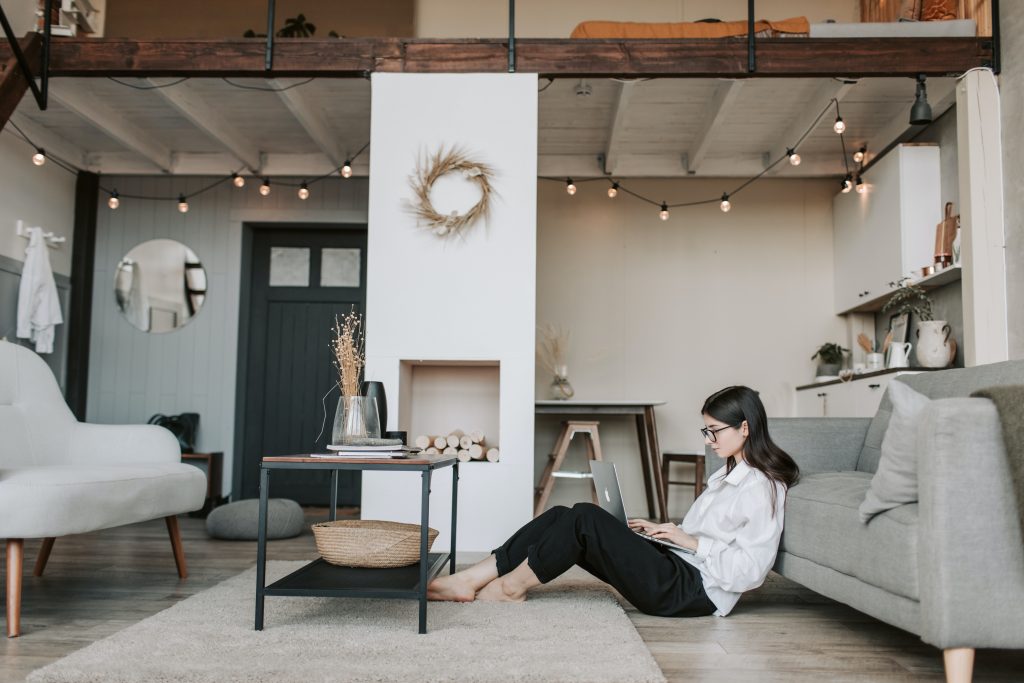
The past year has seen many changes. Many Americans have moved from working in an office space to working from home, and with this change comes many new challenges. As the months roll on, people are feeling a sense of burnout and exhaustion, not only from COVID-19 fatigue but from working from home and the pressures that go along with it. According to Muse, “Work-from-home burnout happens when people can’t separate their work life and their home life, says Andrew Schwehm, a licensed clinical psychologist with Alma, a network of mental health providers, who also works at Bellevue Hospital in New York City and teaches at NYU School of Medicine. People are having an especially hard time separating the two during the pandemic when they’re working and living in one space”. With many shelter in place or stay home recommendations being extended around the world, getting out is hard to do and many people feel very stuck. So what can we do about this burnout? With some simple strategies and tips, you can help avoid major exhaustion and complete burnout.
Symptoms of Burnout

Webmd describes symptoms of work from home burnout as any of the following:
- Lack of enthusiasm
- Irritability and impatience
- Changes in attitude-becoming cynical especially
- Lack of interest in anything
- Being easily distracted
- Lack of productivity
- Using alcohol or other substances to cope
Work from home burnout can also lead to feelings of depression and apathy, especially as the pandemic wears on. The feelings of hopelessness are real and many who work from home can feel a sense of no end to their feelings. Signs and symptoms can vary depending on a person’s living arrangement-whether they live in the city or suburbs, have a family and children or live alone, or have pets. But regardless of a variance in these feelings they are very real and extremely important to recognize so that you can address them and make improvements for the sake of your health. According to SureFiz trainer Jenn Ryan, there are some steps you can take for your health and wellness to prevent or improve your feelings of work from home burnout.
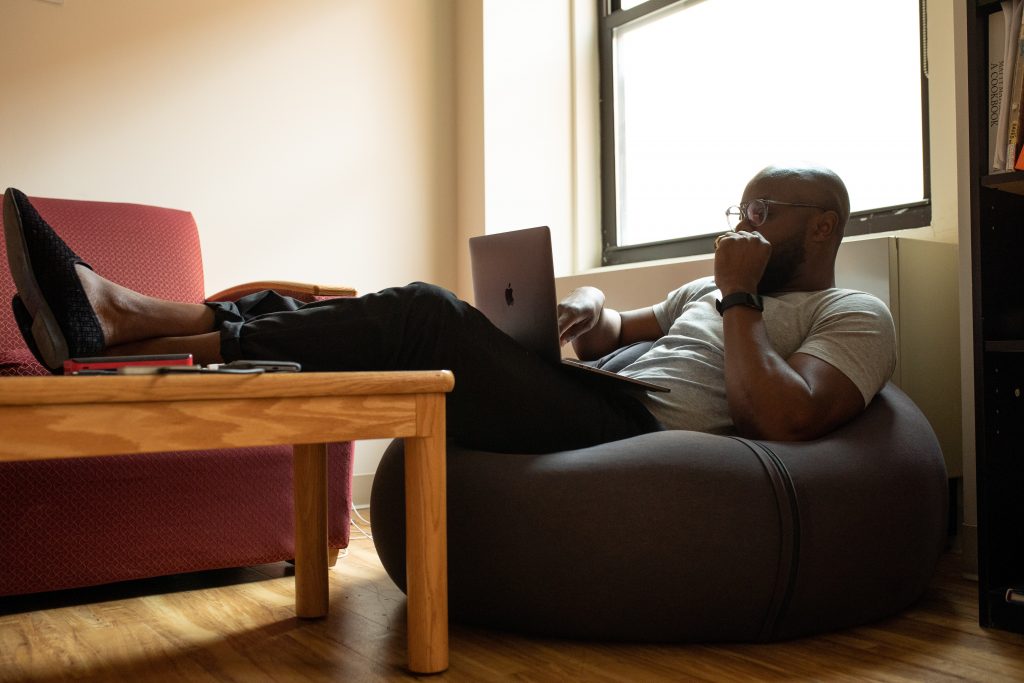
- Set Boundaries: It can feel like you never have a break from the workday when you work from home. There is no separation of the office and the sanctity of home. One client stated that she felt like she worked from 8AM to 9PM and she only works an average of 5-6 hours a day. With the many obligations of life-from spouse to kids to pets to laundry and housework, the juggling of all things leads to feeling like there can never be a break. If you work on setting some boundaries between work and home, working within a certain part of the day and enjoying home life during other hours, you can create a sense of separation between the job and home life.
- Prioritize Your Health: Many times when we reach burnout, health and fitness is the first thing that goes. Right now, making our health a priority is more important than ever. Working out and focusing on fitness doesn’t have to be a huge time commitment or even a trip to the gym. Working out from home is simple and easy to squeeze in when you have some time. A 30 minute workout is better than no workout and whenever you can fit it into your day is beneficial to general health. Your mind and body will thank you. Many people also report that they feel rejuvenated, more ready to tackle daily tasks and accomplish goals after a workout.
- Get More Sleep: It may feel easier to work late into the night hours to finish a task but it’s important to remember that the tasks will be there for you when you wake up. Regularly “burning the midnight oil” will lead to further exhaustion in the coming days and create a cycle that can be hard to get out of. Getting adequate sleep is incredibly important for body and mind recovery, for minimizing anxiety and helping with energy reserves. Getting to bed at a decent hour will help you wake up more energized, which will lead to better productivity during your work day.
- Take Breaks and Get Out: When you feel yourself lagging or lacking motivation, it’s okay to take a break to clear your mind. Take a walk, get outside for some fresh air, or even take a short drive if the weather isn’t accommodating in the winter months. A change of scenery can refresh your mind and spirit so that when you return to the home office you can be ready to get back to your daily work tasks.
- Do Something You Enjoy: If you had a hobby before the pandemic and you stopped doing it, pick it back up. You might find that it fills your spirit and soul in the ways you need! Not sure about what you would enjoy? Playing an instrument, singing, dancing, even coloring, drawing or journaling can all be done at home and can be relaxing activities that give you a sense of enjoyment and fulfillment in these hard times.
- Talk to Someone: Working from home during this pandemic can lead to feelings of isolation and loneliness, and with many socialization activities out in public closed or limited, it can be much harder to connect with those you care about. Be sure to make the effort to reach out to friends and family to talk out your feelings. Sharing with others will help take away the burden and you may find that you aren’t the only one suffering from burnout at home and that others are in the same place. Even if you can’t be in person, calling on the phone or setting up a video chat to connect with loved ones can help refill your tank and is good for the soul.
The job may not get easier, the pandemic may not be over quickly and we all may be working from home for a while longer-if not permanently. But we can all get through this together and work to avoid the inevitable burnout that can occur from at home working. Even if you already feel some or all of these symptoms of burnout, you can reverse the effects by setting up some of these strategies to protect yourself from long term effects and damage on your body and mind. You need to take care of yourself to remain healthy and strong, in order for you to be productive at home and work for many years to come.
]]>Deprecated: Creation of dynamic property WP_Term::$cat_ID is deprecated in /var/www/surefiz.com/html/forum/wp-includes/category.php on line 378
Deprecated: Creation of dynamic property WP_Term::$category_count is deprecated in /var/www/surefiz.com/html/forum/wp-includes/category.php on line 379
Deprecated: Creation of dynamic property WP_Term::$category_description is deprecated in /var/www/surefiz.com/html/forum/wp-includes/category.php on line 380
Deprecated: Creation of dynamic property WP_Term::$cat_name is deprecated in /var/www/surefiz.com/html/forum/wp-includes/category.php on line 381
Deprecated: Creation of dynamic property WP_Term::$category_nicename is deprecated in /var/www/surefiz.com/html/forum/wp-includes/category.php on line 382
Deprecated: Creation of dynamic property WP_Term::$category_parent is deprecated in /var/www/surefiz.com/html/forum/wp-includes/category.php on line 383
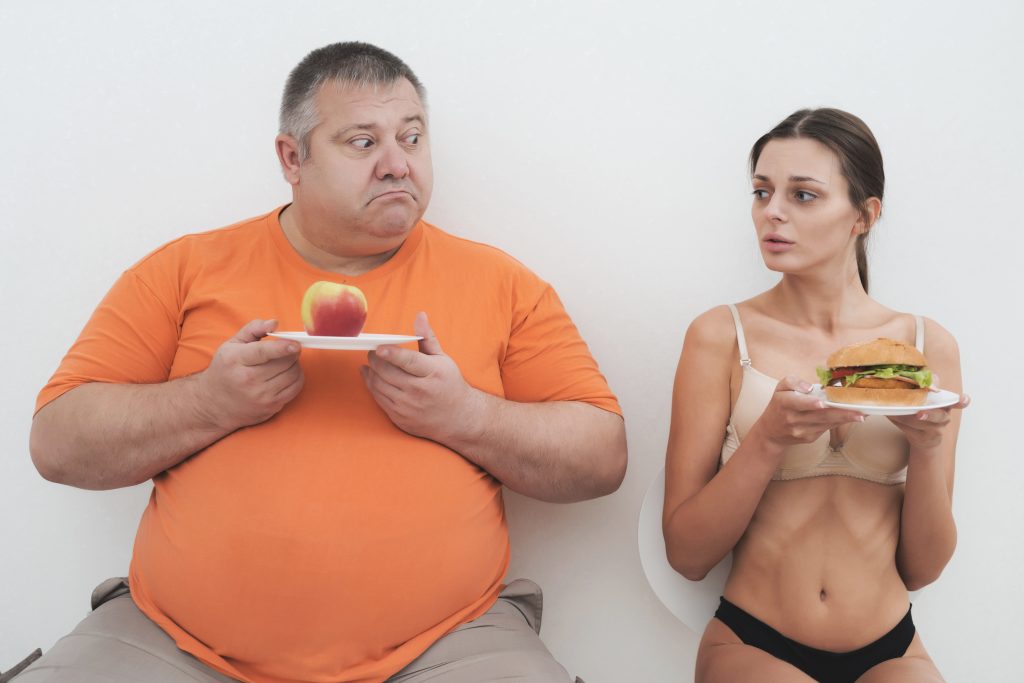
A high amount of body fat can lead to weight-related diseases and other health issues. Being underweight is also a health risk. Body Mass Index (BMI) and waist circumference are screening tools to estimate weight status in relation to potential disease risk. However, BMI and waist circumference are not diagnostic tools for disease risks. A trained healthcare provider should perform other health assessments to evaluate disease risk and diagnose disease status.
Adult Body Mass Index Or BMI
BMI is a person’s weight in kilograms divided by the square of height in meters. A high BMI can indicate high body fatness, and a low BMI can indicate too low body fatness. To calculate your BMI and ideal weight use SureFiz® calculator.
- If Your BMI Is Less Than 18.5, It Falls Within The Underweight Range.
- If Your BMI Is 18.5 To 24.9, It Falls Within The Normal Or Healthy Weight Range.
- If Your BMI Is 25.0 To 29.9, It Falls Within The Overweight Range.
- If Your BMI Is 30.0 Or Higher, It Falls Within The Obese Range.
At an individual level, BMI can be used as a screening tool but is not diagnostic of the body fatness or health of an individual. A trained healthcare provider should perform appropriate health assessments in order to evaluate an individual’s health status and risks.
Waist Circumference
To correctly measure waist circumference:
- Stand And Place A Tape Measure Around Your Middle, Just Above Your Hipbones
- Make Sure Tape Is Horizontal Around The Waist
- Keep The Tape Snug Around The Waist, But Not Compressing The Skin
- Measure Your Waist Just After You Breathe Out
Another way to estimate your potential disease risk is to measure your waist circumference. Excessive abdominal fat may be serious because it places you at greater risk for developing obesity-related conditions, such as Type 2 Diabetes, high blood pressure, and coronary artery disease. Your waistline may be telling you that you have a higher risk of developing obesity-related conditions if you are:
- A Man Whose Waist Circumference Is More Than 40 Inches
- A Non-Pregnant Woman Whose Waist Circumference Is More Than 35 Inches
Try out SureFiz calculator to calculate your body composition without having to do all the math.
Source: CDC
]]>