Deprecated: Creation of dynamic property WP_Term::$cat_ID is deprecated in /var/www/surefiz.com/html/forum/wp-includes/category.php on line 378
Deprecated: Creation of dynamic property WP_Term::$category_count is deprecated in /var/www/surefiz.com/html/forum/wp-includes/category.php on line 379
Deprecated: Creation of dynamic property WP_Term::$category_description is deprecated in /var/www/surefiz.com/html/forum/wp-includes/category.php on line 380
Deprecated: Creation of dynamic property WP_Term::$cat_name is deprecated in /var/www/surefiz.com/html/forum/wp-includes/category.php on line 381
Deprecated: Creation of dynamic property WP_Term::$category_nicename is deprecated in /var/www/surefiz.com/html/forum/wp-includes/category.php on line 382
Deprecated: Creation of dynamic property WP_Term::$category_parent is deprecated in /var/www/surefiz.com/html/forum/wp-includes/category.php on line 383
Deprecated: Creation of dynamic property WP_Term::$cat_ID is deprecated in /var/www/surefiz.com/html/forum/wp-includes/category.php on line 378
Deprecated: Creation of dynamic property WP_Term::$category_count is deprecated in /var/www/surefiz.com/html/forum/wp-includes/category.php on line 379
Deprecated: Creation of dynamic property WP_Term::$category_description is deprecated in /var/www/surefiz.com/html/forum/wp-includes/category.php on line 380
Deprecated: Creation of dynamic property WP_Term::$cat_name is deprecated in /var/www/surefiz.com/html/forum/wp-includes/category.php on line 381
Deprecated: Creation of dynamic property WP_Term::$category_nicename is deprecated in /var/www/surefiz.com/html/forum/wp-includes/category.php on line 382
Deprecated: Creation of dynamic property WP_Term::$category_parent is deprecated in /var/www/surefiz.com/html/forum/wp-includes/category.php on line 383
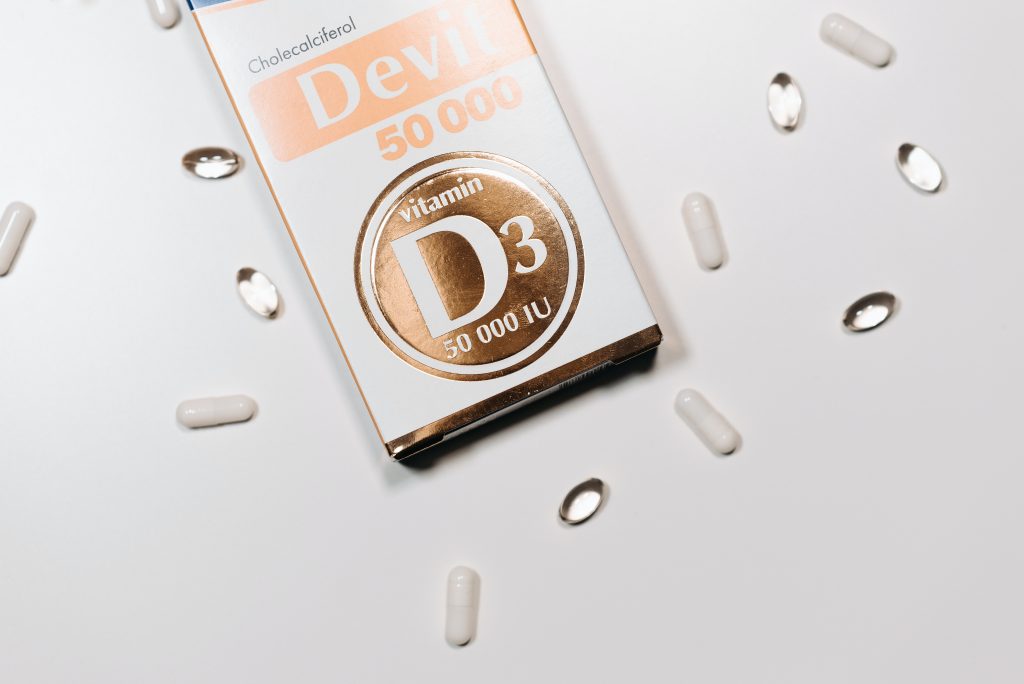
As COVID-19 rises around the nation, many continue to seek ways to build immunity. Can vitamin D help decrease severity of symptoms?
The virus known as COVID-19, or the coronavirus, has ripped through the world in just one year and many places are currently seeing the largest rates of infection since the beginning of the pandemic. As doctors and researchers learn more about the disease and its effects, there are also many studies being conducted and under review regarding immunity boosting nutrients or vitamins. Limited studies have been produced but some are linking benefits of vitamin D to coronavirus severity.
Benefits of Vitamin D
Vitamin D is an important nutrient the human body needs to function in a healthy way. According to Medical News Today, “Vitamin D is essential for several reasons, including maintaining healthy bones and teeth. It may also protect against a range of diseases and conditions, such as type 1 diabetes. Despite its name, vitamin D is not a vitamin, but a prohormone, or precursor of a hormone. Vitamins are nutrients that the body cannot create, and so a person must consume them in the diet. However, the body can produce vitamin D”. Vitamin D can also help boost immunity and help in fighting disease. Vitamin D can be absorbed through the skin when a person gets adequate sunlight, approximately 10-15 minutes a day. Many people, especially those in colder climates and long winters, are at risk for vitamin D deficiency as they do not get out in the sunlight enough in the cold months. Likewise, those who work indoors or work night shifts are also at risk for having too little vitamin D in their body. General recommendations for vitamin D dosage for children and adults is 600 IU, or 15 mcg. Those who do not get enough or close to recommended doses are at a greater risk in general for infection or disease. (retrieved from Medical News Today).
Vitamin D and Coronavirus
Several studies have been conducted over the past year regarding the supplementation of vitamin D and it’s correlation to coronavirus severity. According to Healthline, recent scientific research has concluded that vitamin D supplementation might protect against respiratory infections, especially in people who were already deficient in vitamin D to begin with. Keeping sufficient vitamin D levels in the body has been shown to potentially help aid in preventing serious complications or fatalities. Furthermore, Medical News reports that studies showed a reduction in effects of the cytokine storm, which is the escalated inflammatory response that occurs in some individuals with the coronavirus. “Additional data suggests that vitamin D may reduce some of the unfavorable downstream immunological responses to COVID-19 that are associated with severe manifestations through the disease. Some of these downstream pathways that vitamin D may be involved in include preventing the rise of interleukin 6 (IL-6) levels and delaying the interferon-gamma response”. (retrieved from Medical News). The Mayo Clinic also reports similar findings, showing that of those who had serious complications, vitamin D showed to help. In a small, randomized study of 50 participants given a high dose of a type of vitamin D (calcifediol), only one needed to be treated in the ICU. They had 26 patients who were not given the vitamin D, and 13 of the 26 participants needed to be treated in the ICU (retrieved from The Mayo Clinic).
Conclusion
Although supplementation with vitamin D is not proven to either prevent or treat the novel coronavirus (COVID-19), there have been a number of positive findings that support vitamin D as a helpful immune boosting nutrient. These findings are in line with what has been supportive evidence in favor of vitamin D and its immune support against other viruses and infections. Most people can benefit from vitamin D supplementation and from eating immune boosting foods. To see our blog on best foods to boost immunity, click here. The best ways to prevent contracting the novel coronavirus remain social distancing, avoiding indoor gatherings, wearing a mask when in public and washing hands regularly. Eating a healthy diet and making sure that the body is getting the daily recommendations of nutrients can help boost immunity and keep the body strong no matter what type of illness or infection.
]]>Deprecated: Creation of dynamic property WP_Term::$cat_ID is deprecated in /var/www/surefiz.com/html/forum/wp-includes/category.php on line 378
Deprecated: Creation of dynamic property WP_Term::$category_count is deprecated in /var/www/surefiz.com/html/forum/wp-includes/category.php on line 379
Deprecated: Creation of dynamic property WP_Term::$category_description is deprecated in /var/www/surefiz.com/html/forum/wp-includes/category.php on line 380
Deprecated: Creation of dynamic property WP_Term::$cat_name is deprecated in /var/www/surefiz.com/html/forum/wp-includes/category.php on line 381
Deprecated: Creation of dynamic property WP_Term::$category_nicename is deprecated in /var/www/surefiz.com/html/forum/wp-includes/category.php on line 382
Deprecated: Creation of dynamic property WP_Term::$category_parent is deprecated in /var/www/surefiz.com/html/forum/wp-includes/category.php on line 383
The Paleo diet trend has gained popularity in recent years, but what is it and how can it affect a weight loss plan?
A Paleo diet plan is a way of eating similar to those who existed in the Paleolithic era. The basic premise behind a Paleo diet plan is to eat like early humans, focusing on whole foods and eliminating processed foods. Firm believers in Paleo dieting believe that, “The human body is genetically mismatched to the modern diet that emerged with farming practices-an idea known as the discordance hypothesis. Farming changed what people ate and established dairy, grains and legumes as additional staples in the human diet. This relatively late and rapid change in diet, according to the hypothesis, outplaced the body’s ability to adapt. This mismatch is believed to be a contributing factor to the prevalence of diabetes and heart disease today” (Source: Mayo Clinic). The basic premise of getting back to the eating roots of ancient human existence and eating natural foods from the earth or animals can be beneficial in many ways to an overall health and wellness program.
How the Paleo Diet is Beneficial
There are many potential benefits to a Paleo diet. Many people who switch to a Paleo diet eat less processed foods and more fruits and vegetables. “While the diet as a whole hasn’t been well studied, the benefits of cutting packaged foods from your diet could be huge. According to the Harvard School of Public Health, three quarters of the average American’s sodium intake (which is almost double what it should be!) comes from commercially prepared foods. And, one Public Health Nutrition study found that people who cook at least five times a week are 47% more likely to be alive 10 years later compared to those who rely more on processed foods” (Retrieved from Health Magazine). The essential vitamins and nutrients from fruits, vegetables, nuts and lean meats are vital to overall health and weight loss. Many pre packaged and processed foods are stripped of these nutrients, and those who rely on packaged foods for their primary source of meals can be nutritionally depleted. There are other negative factors to eating highly processed foods, such as sodium content, saturated fat content and chemical additives. Eating within the Paleo diet lifestyle can help reduce many of these other negative components, while helping to contribute to weight loss.
What Foods to Eat on the Paleo Diet
The Paleo diet is “comprised mainly of fresh fruits, fresh vegetables, fish, shellfish, grass produced meats and organ meats, free-range poultry, free-range eggs, nuts, and certain healthful oils. The Paleo Diet avoids or eliminates processed foods containing refined sugars, refined grains, refined vegetable oils, trans fatty acids, salt, and added chemicals. Fresh fruits and fresh vegetables, good sources of healthier carbohydrates, are consumed ad libitum in lieu of refined sugars, refined grains, and processed foods. As a result, The Paleo Diet is a low glycemic load diet, which promotes normalization of blood glucose, insulin, and helps prevent the metabolic syndrome” (Source: The Paleo Diet).
More specifically, here are the basic guidelines for what to eat and what to avoid on the Paleo diet:
- No gluten, or gluten substitutions-gluten is considered an anti-nutrient and can be harmful to the digestive system. But processed gluten free food using flour substitutions can also be considered harmful.
- No simple/processed sugars-the focus is to reduce intake of added sugars, but fruit is considered healthy with many nutrients and naturally occurring sugars.
- Avoid added salt-excess salt in diets may lead to hypertension, heart disease, cancer, autoimmunity and insulin-resistance.
- No dairy-in ancient times, humans did not consume animal milk. That has changed in recent years with the development of modern farming. The Paleo diet does not believe this is healthy for the human body and that many people don’t have the proper enzymes to digest milk.
- No legumes, limited nightshades (no white or yellow potatoes)-legumes and nightshades contain anti-nutrients such as lectins and can increase intestinal permeability, causing many other health problems.
- Limited use of supplements-when eating a proper, natural, nutrient-dense diet, the body should not need additional supplements. (Source: The Paleo Diet)
Is the Paleo Diet Healthy?
While the basic components of the Paleo diet promote healthier eating and potential weight loss benefits, experts are mixed on whether the Paleo diet actually offers long term health benefits in regards to other diet plans. According to Deirdre Tobias, assistant professor in the Department of Nutrition at Harvard T.H. Chan School of Public Health, people who participate in the Paleo diet may have been eating large amounts of processed unhealthy foods before switching to a healthier whole foods lifestyle, or have underlying health conditions affecting results. “Was it instead that those benefits came from cutting out processed foods and ramping up fruits and vegetables?” Tobias asked. “Because there are so many aspects of the diets being altered, it is virtually impossible to attribute any one component of the patterns to its success” (Harvard Health). There are many different health benefits from a variety of diet trends that can be attributed to improvements in health and weight loss. Examples of such plans are the Keto diet, vegan or vegetarian lifestyle, or even the Whole 30 diet trend. Each of these diet plans involve restricting calories or food groups, or even eliminating them. When an individual changes their eating patterns from eating processed foods and takeout to eating healthy, fresh fruits and vegetables, there can be benefits in overall health and likely result in weight loss.
If you’re looking to improve your health and overall wellness, the Paleo Diet can be a good option. However, when it comes to weight loss the major focus needs to be calories ingested versus calories burned. The SureFiz scale and program can help with all of the tracking needed to supplement a healthy eating plan and weight loss goals. Be sure to follow us on all our social media accounts and let us help you reach your diet and weight loss goals!
]]>Deprecated: Creation of dynamic property WP_Term::$cat_ID is deprecated in /var/www/surefiz.com/html/forum/wp-includes/category.php on line 378
Deprecated: Creation of dynamic property WP_Term::$category_count is deprecated in /var/www/surefiz.com/html/forum/wp-includes/category.php on line 379
Deprecated: Creation of dynamic property WP_Term::$category_description is deprecated in /var/www/surefiz.com/html/forum/wp-includes/category.php on line 380
Deprecated: Creation of dynamic property WP_Term::$cat_name is deprecated in /var/www/surefiz.com/html/forum/wp-includes/category.php on line 381
Deprecated: Creation of dynamic property WP_Term::$category_nicename is deprecated in /var/www/surefiz.com/html/forum/wp-includes/category.php on line 382
Deprecated: Creation of dynamic property WP_Term::$category_parent is deprecated in /var/www/surefiz.com/html/forum/wp-includes/category.php on line 383
Exercise is vital to any weight loss program and for maintaining a healthy body, but at what point does it become an unhealthy problem and potential addiction?

Eating right and getting regular exercise are known to be vital to any weight loss program. Many people looking to get healthy and lose weight in the New Year will be turning to exercise and healthier foods. But for a small amount of the population, exercise can actually become an addiction. According to Psychology Today, approximately 3 percent of the population suffers from exercise addiction and their strive for physical fitness may actually do more harm than good. Exercise addiction can be described as an unhealthy obsession with physical fitness and exercise, and can often be a result of similar disorders like eating and body image disorders. Symptoms of exercise addiction are very similar to symptoms of other addictions, such as “obsessing over the behavior, engaging in the behavior even though it’s causing physical harm, engaging in the behavior despite wanting to stop, and engaging in the behavior in secret” (source: healthline).
How Does Someone Become Addicted to Exercise?
Exercise addiction can begin with someone who simply has a desire for better physical fitness but can become out of control when they become dependent on it. Individuals who suffer from eating disorders such as anorexia nervosa or bulimia nervosa, or those with body dysmorphic disorder may be more likely to become addicted to exercise as well. Exercise addiction can also be found in distance and endurance athletes such as marathon runners, triathletes and others who run for long miles many days a week. Exercise releases endorphins and dopamine, which are also known as feel-good hormones. These are the same neurotransmitters released during drug use. An exercise addict feels reward and joy when exercising. When they stop exercising, the neurotransmitters go away. An addict has to exercise more to trigger the chemical release (source: healthline). The need to increase exercise to reach the high leads to an addiction.
Psychology Today explains exercise addiction as the following: “In a nutshell, exercise addiction is an overzealous pursuit of physical activity persisted in despite physical, emotional, and social consequences. Its symptoms are similar to those of any addiction, except the drug of choice in this case is fitness”. They list seven possible symptoms of exercise addiction. Individuals can suffer from any or all symptoms to be considered suffering from addiction, but the more symptoms noticed the higher likelihood of an actual addiction versus an exercise enthusiast:
- Tolerance: Needing more and more of the initial activity to achieve sought-after effects (for example, the “runner’s high” or an endorphin rush).
- Withdrawal: Feelings of anxiety, fatigue, irritability, or other unenjoyable emotional and physical experiences on days when one is unable to workout as planned.
- Intention Effect: Repeatedly exceeding planned-upon limits to the amount of time spent exercising.
- Lack of Control: Experiencing one’s physical activity habits as difficult or impossible to keep at manageable levels.
- Time: Far more time is spent exercising than is recommended by medical or fitness professionals and planning, engaging in, or recovering from physical activity consumes a noticeably large portion of one’s days and weeks.
- Reductions in Other Activities: Social, work-related, and leisure endeavors are sidelined to prioritize fitness—often, to the detriment of one’s emotional and interpersonal wellbeing.
- Continuance: One persists in physical activity despite illness, injury, negative psychological outcomes, or medical advice to taper down or take a break. (Retrieved from: Psychology Today)
How to Tell if Someone is Addicted to Exercise or just an Enthusiast
Ian Cockerill, a sports psychologist at the University of Birmingham, England, puts it very simply; “Healthy exercisers organize their exercise around their lives, whereas dependents organize their lives around their exercise” (Retrieved from webmd). If an individual enjoys exercise and seems to work out a lot but doesn’t exhibit any of the seven symptoms above (or maybe just one or two), then he or she is likely an enthusiast or avid exerciser and not necessarily addicted to exercise. Once behavior is exhibited similar to addictions of other forms (i.e. drugs, alcohol or eating disorders), then the individual is more likely suffering from an exercise addiction. Exercise addiction is not only dangerous mentally but can also be dangerous physically–as exercise increases so does the risk of injury. Many exercise addicts will continue to work out during injury or illness which sets them up for dangerous long term physical effects.
How to Overcome Exercise Addiction
Currently, exercise addiction is not a classifiable mental illness that can be diagnosed or treated with medication. Additionally, many individuals who suffer from exercise addiction don’t see it as an addiction because it is perceived as a healthy behavior. But even healthy behaviors can be taken overboard and become potentially damaging or unhealthy if they become an addiction. If an individual is suffering from an exercise addiction, most experts recommend self control as a means to help overcome exercise addiction. It is possible that an individual will need to take a break from exercise (temporarily) to help get control over the urges to exercise and the feelings of needing to excessively exercise each day.
No matter the struggle during a weight loss journey, SureFiz can help. Our patented all-inclusive program takes the guesswork out of weight loss. Check out the features in our app to help guide and direct each step of your weight loss journey. Our diet plans, workout plans and healthy tips can help you get the most out of your exercise and weight loss program. Check out our website or any of our social media channels for more tips and encouragement, along with advice to guide your journey.
]]>Deprecated: Creation of dynamic property WP_Term::$cat_ID is deprecated in /var/www/surefiz.com/html/forum/wp-includes/category.php on line 378
Deprecated: Creation of dynamic property WP_Term::$category_count is deprecated in /var/www/surefiz.com/html/forum/wp-includes/category.php on line 379
Deprecated: Creation of dynamic property WP_Term::$category_description is deprecated in /var/www/surefiz.com/html/forum/wp-includes/category.php on line 380
Deprecated: Creation of dynamic property WP_Term::$cat_name is deprecated in /var/www/surefiz.com/html/forum/wp-includes/category.php on line 381
Deprecated: Creation of dynamic property WP_Term::$category_nicename is deprecated in /var/www/surefiz.com/html/forum/wp-includes/category.php on line 382
Deprecated: Creation of dynamic property WP_Term::$category_parent is deprecated in /var/www/surefiz.com/html/forum/wp-includes/category.php on line 383
With the New Year approaching, many people will evaluate their goals for 2021, only to have those resolutions fail within a few months. There may be more science behind the reasons of failure than just a lack of willpower.

New Year’s Resolutions
Another New Year is fast approaching, and with the New Year comes many New Year’s resolutions, most of which have to do with healthier living and weight loss. But a few months into the year, most of the resolutions fail. In fact, according to the Wall Street Journal, nearly 88% of all New Year’s resolutions fail to be kept by the end of the year. Many who set lofty New Year’s resolutions feel like a failure when they don’t stick to their resolutions and they just give up any attempt to improve their lives. Instead of letting a failed resolution ruin a healthy weight loss plan, it can be helpful to look into the science behind why many resolutions fail.
The Science Behind Resolutions
According to Bancroft.org, the field of Applied Behavior Analysis can lend some insight into what happens in the brain when a resolution is set. “In behavior analysis, ‘temporal discounting’ is how we respond to consequences due to delay. For example, if we had a choice between $100 today or $100 in a month – the choice would be clear. We’d all take the cash today. But adjust the delay or the amount – the ‘reinforcer’ – and our choice might look different. What if we had a choice between $100 today or $1,000 in a month? Likely, many would wait for the larger payout. Research shows animals are generally impulsive, while humans are better able to achieve long-term greater gain (such as that thousand bucks). This same research can explain failed New Year’s promises, too. Many resolutions involve delayed gratification – selecting between a late-night ice cream habit now or a lower number on the scale in a month”.
With the delayed gratification of weight loss or health benefits related to better choices in the New Year, it is easy to see how there could be roadblocks towards the long-term goal. When faced with a temptation such as the late night ice cream, if a person gives in and eats the ice cream, there is a feeling of failure. With that comes a defense mechanism response in the brain, in an attempt to explain the reason for the slip. These hypothetical constructs are generally what lead people to give up completely on their resolution instead of simply waking up the next morning and trying again. An example of a hypothetical construct when it comes to dieting would be telling oneself, “I guess I’m just not the type of person who can be on a diet”. [Retrieved from Bancroft.org]
Psychology Today explains that a person’s self talk will direct their actions. When setting goals it can be especially beneficial to change any negative self-talk about failure into positive affirmations. For example, instead of thinking, “I’m not the type of person who can be on a diet”, having a practiced script of positive messages ready can help turn the brain around. It can be helpful to think of each goal and prepare any obstacles ahead of time, being ready with positive sentences to speak to oneself. [Retrieved from psychologytoday.com].
How to set a New Year’s Resolution
Instead of setting lofty, unattainable health or weight loss goals that would set someone up for failure, sitting down and analyzing why a goal is being set and writing out steps to succeed can help minimize chances that the goal will fail shortly into the New Year. In goal setting, the acronym S.M.A.R.T. can be extremely helpful:
Specific: Is the goal specific, well defined, clear and unambiguous?
Measurable: Set criteria to help measure progress towards the accomplishment of the goal
Achievable: Make sure the goal is attainable and not impossible to achieve
Realistic: The goal is within reach, realistic and relevant
Timely: The goal needs to have a clearly defined timeline, including a start date and target end date. [Retrieved from corporatefinanceinstitute.com]
Conclusion
New Year’s Resolutions, like any goals, should be thought out ahead of time and with clear, concise steps to achieve them. An understanding of the science behind potential failure can not only help overcome obstacles during the process but can also help people from becoming one of the 88% who fail to accomplish the goals they set. It is also valuable to know that it’s not personal failure, there is a science to the brain and why it works the way it does. Resetting pathways and habits in weight loss can be hard but not impossible. SureFiz technology is a valuable tool and program that can help in all areas of diet and weight loss goal setting. The program takes a lot of guesswork out of weight loss and helps users set specific goals. It truly is the secret sauce to weight loss!
]]>Deprecated: Creation of dynamic property WP_Term::$cat_ID is deprecated in /var/www/surefiz.com/html/forum/wp-includes/category.php on line 378
Deprecated: Creation of dynamic property WP_Term::$category_count is deprecated in /var/www/surefiz.com/html/forum/wp-includes/category.php on line 379
Deprecated: Creation of dynamic property WP_Term::$category_description is deprecated in /var/www/surefiz.com/html/forum/wp-includes/category.php on line 380
Deprecated: Creation of dynamic property WP_Term::$cat_name is deprecated in /var/www/surefiz.com/html/forum/wp-includes/category.php on line 381
Deprecated: Creation of dynamic property WP_Term::$category_nicename is deprecated in /var/www/surefiz.com/html/forum/wp-includes/category.php on line 382
Deprecated: Creation of dynamic property WP_Term::$category_parent is deprecated in /var/www/surefiz.com/html/forum/wp-includes/category.php on line 383
The Ketogenic Diet has become one of the fastest growing diet trends in recent years. Here is a look into the effectiveness of the diet trend.

What is the Ketogenic Diet?
The ketogenic diet (keto for short), is a diet that highly restricts carbohydrates, moderately restricts protein and is high in fat intake. The concepts of the keto diet are very similar to other low carb diets, such as the Atkins diet that gained popularity in the late 1990s but has been in practice since the 1960s. Although keto sounds like a new diet concept, doctors have been using the ketogenic concept to treat patients with epilepsy since the early 1920s.
In the keto diet, carbohydrate intake is limited to 5-10%, fat intake can be anywhere from 60-90%, and protein intake moderately ranges anywhere from 15-20% of total calorie intake. When it comes to fuel in the body, carbohydrates are the preferred source. Once consumed, carbohydrates are converted into glucose for more immediate fuel needs, and excess carbohydrates are converted into glycogen and stored in the body for future fuel needs. When carbohydrates are so severely limited in the diet, the body has no choice but to use fat as its primary fuel source once the glycogen stores are depleted. During this process, fat is turned into ketones in the liver, which can supply energy for the brain. Once the body is in a ketogenic state, it becomes very efficient at burning fat. This can lead to large amounts of weight loss, especially in a person who has traditionally eaten the standard American diet, which generally consists of 50% or higher daily carbohydrate intake [Retrieved from: Healthline.com].
Benefits of the Ketogenic Diet
Many people who follow the keto diet see quick and drastic results for a few reasons. The immediate weight loss can be attributed to water weight loss. For every one gram of carbohydrates stored in the body as glycogen, the body retains 2-3 grams of water. As the body uses the glycogen, it expels all water stored and can feel like an initial boost to weight loss. Generally this leads to enhanced adherence to the ketogenic program, because of the feelings of success felt right away. Once the body enters a state of ketosis after about 2-3 weeks, the loss of fat can be substantial.
Another benefit of the ketogenic diet can be its ability to keep people feeling satiated, mainly due to the filling qualities of most fats, which can lead to eating less. Since a main component of diet success is ingesting less calories than used for fuel, this also contributes to feelings of success in the program. Many foods that are high in fats are also generally enjoyed foods-such as bacon, sausage, dairy/cheeses, and butter. The satiation and enjoyment can make it easier to adhere to such a restrictive diet plan.
What Foods Can be Eaten on the Ketogenic Diet?
Generally speaking, any high fat foods are allowed. This includes nuts, seeds, dairy (cheese, whole milk, sour cream, cottage cheese, greek yogurt with no added sugars), high fat meats (bacon, sausage, steak, pork) and non starchy vegetables, such as spinach, kale, broccoli. Other vegetables and fruits can be eaten very restrictively as part of a daily keto diet, but would need to be tracked precisely to keep overall carbohydrate intake at the ketogenic range of 5-10% of overall daily calories. All other carbohydrates such as breads, rice, quinoa, pasta, sugary fruits and desserts or pastries all need to be eliminated from the daily diet to ensure the body remains in ketosis.
Different Types of Ketogenic Diet
There are several versions of the ketogenic diet, including:
- Standard ketogenic diet (SKD): This is a very low carb, moderate protein and high fat diet. It typically contains 70% fat, 20% protein, and only 10% carbs
- Cyclical ketogenic diet (CKD): This diet involves periods of higher carb refeeds, such as 5 ketogenic days followed by 2 high carb days.
- Targeted ketogenic diet (TKD): This diet allows you to add carbs around workouts.
- High protein ketogenic diet: This is similar to a standard ketogenic diet, but includes more protein. The ratio is often 60% fat, 35% protein, and 5% carbs.
However, only the standard and high protein ketogenic diets have been studied extensively. Cyclical or targeted ketogenic diets are more advanced methods and primarily used by bodybuilders or athletes. [Retrieved from: Healthline.com]
How Effective is the Ketogenic Diet?
The ketogenic diet can be very effective, but some precautions should be taken. One thing to remember is that since it takes two to three weeks to enter ketosis, the initial results are water weight lost. Depending on the person, fat loss may not be felt until anywhere from 2-4 weeks. So people beginning the ketogenic diet should be aware of these considerations. Another thing to be aware of is the long term weight loss effects on a ketogenic diet versus a higher carbohydrate diet have not been extensively studied. With the main principle of weight loss success being calories consumed in relation to calories burned, it is hard to quantify whether the ketogenic diet is any more effective than other diets that restrict calories or food intake. The long term effects of following a ketogenic diet have also not been studied to great length. Keeping the body in a ketogenic state for a long amount of time may lead to greater stress on other systems, such as the heart or liver, pancreas, or others. The level of saturated fat content in a standard ketogenic diet may also not be optimal for health. Due to the highly restrictive nature of the diet, it also can be hard for people to adhere to the low carbohydrate requirements long term [Retrieved from mayoclinic.com].
The Bottom Line
The ketogenic diet has many benefits and many supporters of the diet plan have experienced positive results. But just like any diet plan, it is recommended that people research and study all the positives and negatives before deciding to try the diet to decide if it is the right option. We also recommend always talking to a doctor before starting a diet plan, especially one that is as restrictive as the ketogenic diet.
]]>Deprecated: Creation of dynamic property WP_Term::$cat_ID is deprecated in /var/www/surefiz.com/html/forum/wp-includes/category.php on line 378
Deprecated: Creation of dynamic property WP_Term::$category_count is deprecated in /var/www/surefiz.com/html/forum/wp-includes/category.php on line 379
Deprecated: Creation of dynamic property WP_Term::$category_description is deprecated in /var/www/surefiz.com/html/forum/wp-includes/category.php on line 380
Deprecated: Creation of dynamic property WP_Term::$cat_name is deprecated in /var/www/surefiz.com/html/forum/wp-includes/category.php on line 381
Deprecated: Creation of dynamic property WP_Term::$category_nicename is deprecated in /var/www/surefiz.com/html/forum/wp-includes/category.php on line 382
Deprecated: Creation of dynamic property WP_Term::$category_parent is deprecated in /var/www/surefiz.com/html/forum/wp-includes/category.php on line 383

What is Body Image?
Everyone has a body image, whether positive or negative. But what exactly is body image and how does it affect our daily lives? According to Psychology Today, “body image is the mental representation an individual creates of themselves, but it may or may not bear any relation to how one actually appears. Body image is subject to all kinds of distortions from the attitudes of one’s parents, other early experiences, internal elements like emotions or moods, and other factors” (Retrieved from psychologytoday.com). The concept of body image has been a large part of humanity all throughout history, with outside factors and trends shaping how an individual sees him or herself in relation to others.
Positive Body Image
Body image can be positive or negative. A positive body image involves looking at oneself as having value regardless of physical appearance. Medical News Today breaks it down below.
“Having a positive body image includes:
- Accepting and appreciating the whole of one’s body, including how it looks and what it can do
- Having a broad concept of beauty
- Having a body image that is stable
- Having inner positivity” (Retrieved from medicalnewstoday.com)
The ability to see oneself with acceptance and appreciation is at the forefront of a positive body image and can be foundational in having a strong sense of self worth and success in life that goes far beyond outward appearance. With a strong sense of self worth, a person can have the confidence to try new things, obtain further education or take a step into the unknown without the fear of failure.
Negative Body Image
A negative body image, on the other hand, can truly affect many aspects of life that go far beyond looks. Medical News Today reports that someone who suffers from body image could experience any of the following:
- Comparing themselves to others and feeling inadequate when they do
- Feelings of shame or embarrassment
- Lack of confidence
- Feeling uncomfortable or awkward in their body
- See parts of their body, such as their nose, in a distorted way (Retrieved from medicalnewstoday.com)
These negative feelings associated with body image can truly hinder someone in many aspects of their life, and can also lead to more serious conditions or disorders. Although a negative body image tends to be more prevalent among women, many men also suffer from negative body image. Since women tend to be more willing to be open and share feelings in general, many men may remain quiet about their feelings of inadequacy and fear sharing these feelings with others or seeking help.
Outside Influences
Social media has also influenced body image in recent years, as images of supermodels or other attractive people are bombarding news feeds and can affect a person’s view of beauty or how they think they should look. However, this is not a new concept—even before the birth of the internet and social media the influence of community perception of beauty has had an effect on personal self-worth. Humanity has always had an awareness of beauty and physical looks and what goes along with it. In past eras, carrying extra weight was associated with wealth, and as such being heavy set, or carrying extra weight was more desirable. In our current society, having a small frame and being associated as “skinny” is trendy and thus more desirable. With society and trends directing what is seen as beautiful, it can affect a person’s body image when he or she doesn’t fit that mold.
Other Disorders
When a negative self-image permeates a person’s thinking, the results can be far reaching. It can even lead to deeper, more serious disorders. Healthline explains that, “People who are extremely dissatisfied with the way their bodies look have a greater risk of developing:
- mood disorders
- body dysmorphic disorder
- disordered eating
- muscle dysmorphia
- lower self-esteem
- relationship problems
- self-harm tendencies
Also, people with social anxiety disorder, generalized anxiety disorder, obsessive-compulsive disorder, and major depressive disorder may have a distorted, negative body image” (Retrieved from Healthline.com). With many of the above disorders having potential long term, serious side effects, it is important to recognize areas of negative body image addressing them.
How To Improve Body Image
There are a number of ways to work on improving body image; ranging from small, simple at home tips to therapy or medications. Here are some options that can help with turning a negative body image into a positive one:
- Create lists of multiple positive body attributes
- Redefine beauty in a less superficial way
- Choose to be surrounded by positive, uplifting people
- Writing down negative self thoughts and consciously changing them to positive
- Volunteering or performing activities that help others
- Taking a break or minimizing time on social media
- Finding activities that move the body and can help with awareness of what the body can do, not just what it looks like. (Retrieved from: Healthline.com)
If some of the above exercises aren’t working after some time of practicing, it may be necessary to explore other options and seek professional help. Many psychologists and psychiatrists have techniques that can improve body image, as well as the option to prescribe medication if necessary to work on some underlying causes or roots of negative body image. It is possible to improve body image and to be able to see the positive attributes that the body offers, much beyond superficial appearance or body size.
]]>Deprecated: Creation of dynamic property WP_Term::$cat_ID is deprecated in /var/www/surefiz.com/html/forum/wp-includes/category.php on line 378
Deprecated: Creation of dynamic property WP_Term::$category_count is deprecated in /var/www/surefiz.com/html/forum/wp-includes/category.php on line 379
Deprecated: Creation of dynamic property WP_Term::$category_description is deprecated in /var/www/surefiz.com/html/forum/wp-includes/category.php on line 380
Deprecated: Creation of dynamic property WP_Term::$cat_name is deprecated in /var/www/surefiz.com/html/forum/wp-includes/category.php on line 381
Deprecated: Creation of dynamic property WP_Term::$category_nicename is deprecated in /var/www/surefiz.com/html/forum/wp-includes/category.php on line 382
Deprecated: Creation of dynamic property WP_Term::$category_parent is deprecated in /var/www/surefiz.com/html/forum/wp-includes/category.php on line 383

What is Collagen and How Does it Work in the Body?
Collagen is the most abundant protein in the body and has various important roles, including providing structure to your skin, helping your blood clot and strengthening the bones. According to Healthline, collagen is one of the major building blocks of bones, skin, muscles, tendons, and ligaments. Collagen is also found in many other body parts, including blood vessels, corneas, and teeth. With so many important roles in the body, it is no wonder that collagen is an important nutrient. As the body ages, it begins to produce less and lower quality collagen. You may be able to help your body produce this important protein by making sure you get plenty of the following nutrients:
- Vitamin C. Large amounts are found in citrus fruits, bell peppers, and strawberries.
- Proline. Large amounts are found in egg whites, wheat germ, dairy products, cabbage, asparagus, and mushrooms.
- Glycine. Large amounts are found in pork skin, chicken skin, and gelatin, but glycine is also found in various protein-containing foods.
- Copper. Large amounts are found in organ meats, sesame seeds, cocoa powder, cashews, and lentils.
- In addition, your body needs high quality protein that contains the amino acids needed to make new proteins. Meat, poultry, seafood, dairy, legumes, and tofu are all excellent sources of amino acids. (Retrieved from Healthline.com).
Collagen can be found in a number of food sources, and more recently in supplementation form, such as powders or liquids. If you’re looking to get more collagen in your diet, collagen can be found naturally occurring in the following foods:
- Bone broth-collagen is found in the connective tissues of animal foods/meat, for example chicken and pork skin. Bone broth is a great way to get collagen in the diet; either homemade or store bought.
- Gelatin-this is a cooked down version of collagen and is used in gummies or Jell-o style gelatin foods. Gelatin can also be used to make homemade foods in a variety of ways.
- Collagen peptides-broken down collagen in a powder form that is sold at many health food stores with options for a variety of flavors or unflavored. The powder is hydrolyzed and easy to incorporate into a variety of foods, smoothies, even coffee.
What are the health benefits of collagen?
Collagen has many proven health benefits for the human body. Here are some benefits found from increased collagen in the diet:
- Improved skin health- several studies have shown that collagen peptides or supplements containing collagen may help slow the aging of your skin by reducing wrinkles and dryness, as well as promoting the production of other proteins that help structure your skin.
- Helps relieve joint pain-some studies have shown that taking collagen supplements can help improve symptoms of osteoarthritis and reduce joint pain overall.
- Could prevent bone loss-studies have shown that taking collagen supplements may have certain effects in the body that help inhibit the bone breakdown that leads to osteoporosis.
- Promotes heart health-Researchers have theorized that taking collagen supplements may help reduce the risk of heart-related conditions.
- Could boost muscle mass-Studies suggest that collagen supplements help boost muscle mass in people with sarcopenia, the loss of muscle mass that happens with age.
- Increases brain health-some users claim that collagen helps with mood and reduction in anxiety. More studies need to be done in this topic area.
- Could promote gut health-some health practitioners promote the use of collagen supplements to treat intestinal permeability, or leaky gut syndrome.
- Stronger hair and nails-Taking collagen may increase the strength of your nails by preventing brittleness. Additionally, it may stimulate your hair and nails to grow longer. (Retrieved from Healthline.com).
Overall there are many benefits to taking a collagen supplement in your diet and not a lot of negative side effects. There is a small potential of digestive side effects, like feeling full or heartburn, and some report it leaves a lingering taste in the mouth. But overall, collagen use is known to be very safe, and can also be considered very beneficial to your body overall. Should you decide to give it a try, there are many options on the market today.
]]>Deprecated: Creation of dynamic property WP_Term::$cat_ID is deprecated in /var/www/surefiz.com/html/forum/wp-includes/category.php on line 378
Deprecated: Creation of dynamic property WP_Term::$category_count is deprecated in /var/www/surefiz.com/html/forum/wp-includes/category.php on line 379
Deprecated: Creation of dynamic property WP_Term::$category_description is deprecated in /var/www/surefiz.com/html/forum/wp-includes/category.php on line 380
Deprecated: Creation of dynamic property WP_Term::$cat_name is deprecated in /var/www/surefiz.com/html/forum/wp-includes/category.php on line 381
Deprecated: Creation of dynamic property WP_Term::$category_nicename is deprecated in /var/www/surefiz.com/html/forum/wp-includes/category.php on line 382
Deprecated: Creation of dynamic property WP_Term::$category_parent is deprecated in /var/www/surefiz.com/html/forum/wp-includes/category.php on line 383

The COVID-19 pandemic has certainly reshaped this past year for people all around the world. It has wreaked havoc in governments, households, stock markets, small businesses and even relationships. Not much of regular life looks the same as it did a year ago. Now that an entire year has almost passed, many people are reaching a point of frustration with having to alter so much of their lives. Experts are calling this “pandemic fatigue”. According to WDG Public Health, “‘Pandemic fatigue’ can occur when people get tired of the pandemic measures and become less likely to follow public health practices or simply begin to drown out those messages. A natural sense of burnout can happen since we’ve had to stick to these public health measures for such a prolonged period of time. Pandemic fatigue can be experienced differently for everyone but often presents itself as feeling restless, irritable, lacking motivation, and difficulty concentrating on tasks”. The effects of pandemic fatigue can vary in severity based on many factors-age, marital/relationship status, socioeconomic status, race and gender. Some research has shown youth and young adults suffering the most, as they are still establishing themselves and their relationships. Without the ability to socialize in person and enjoy being in public, many are growing weary and lonely. With the lower risk of complications or death, many youth also find it hard to continue staying apart and are not continuing to maintain the social distancing/stay at home suggestions from many health officials.
This level of fatigue and the symptoms it causes can have many health implications. First and foremost, the lack of motivation is extremely detrimental to those trying to lose weight or get healthy. It is hard enough to maintain a long term intrinsic/internal drive to workout or stay moving in a work out program, let alone during a year-long global pandemic. Many Americans who lost their motivation a few months into 2020 have found it hard to get back on track with their fitness activities. Another health side effect of the COVID-19 pandemic and resulting pandemic fatigue is stress and restlessness. The Centers for Disease Control and Prevention states that stress during an infectious disease outbreak can sometimes lead to the following:
- Fear and worry about personal health, loved ones, job loss, finances, etc
- Changes in sleep or eating patterns
- Difficulty concentrating
- Worsening of previous chronic health problems
- Worsening of mental health conditions
- Increased substance abuse (drugs, tobacco, alcohol, etc)
The longer that the world is dealing with this pandemic, the more fatigue and related symptoms will increase. Another concern health officials have with pandemic fatigue is that the general population will begin to relax on following health guidelines, and many areas around the world are already seeing this trend. With the holidays on the horizon, many family and social gatherings could lead to a large spike worldwide. The holidays are usually considered a happy time, where friends and families gather together, share meals and spend much of their time indoors. During a global pandemic, these behaviors are highly discouraged due to the increased risk of gathering together with many people. Due to pandemic fatigue, many Americans are choosing to continue their holiday rituals and traveling to be together. Many airlines report strong bookings over the holidays despite the encouragement to stay home. With families choosing to fly, some gathering from many different parts of the country, health officials are all very nervous there will be spikes all over the country.
If you are feeling any of these symptoms, rest assured you are not alone. Many, if not all, have identified with one or more of the pandemic fatigue symptoms at some point through the year. It is important-for your health and those around you-to continue following safety measures. Wearing masks in public, staying home whenever possible, minimizing parties and social gatherings and extra hand washing will all help in the fight against COVID-19. Hopefully we will see an end in sight, but in the meantime we will get through it. People are resilient and strong in nature and with a little patience can conquer any mountain, no matter how big.
]]>Deprecated: Creation of dynamic property WP_Term::$cat_ID is deprecated in /var/www/surefiz.com/html/forum/wp-includes/category.php on line 378
Deprecated: Creation of dynamic property WP_Term::$category_count is deprecated in /var/www/surefiz.com/html/forum/wp-includes/category.php on line 379
Deprecated: Creation of dynamic property WP_Term::$category_description is deprecated in /var/www/surefiz.com/html/forum/wp-includes/category.php on line 380
Deprecated: Creation of dynamic property WP_Term::$cat_name is deprecated in /var/www/surefiz.com/html/forum/wp-includes/category.php on line 381
Deprecated: Creation of dynamic property WP_Term::$category_nicename is deprecated in /var/www/surefiz.com/html/forum/wp-includes/category.php on line 382
Deprecated: Creation of dynamic property WP_Term::$category_parent is deprecated in /var/www/surefiz.com/html/forum/wp-includes/category.php on line 383

The COVID-19 virus that infiltrated the world almost a year ago has become quite the perplexing disease; as scientists, doctors and other specialists scramble to understand it. There have been many developments made as knowledge increases surrounding COVID-19. Last week, some new studies emerged regarding Coronavirus severity of symptoms and polluted areas around the country. One newly released study from Harvard University released findings that areas with higher pollution levels around the country could be connected to the higher death rates of the Coronavirus. Abcnews.com stated; “According to a nationwide study from Harvard T.H. Chan School of Public Health, people with COVID-19 who live in areas with high air pollution levels are more likely to die than those who live in less polluted regions.The study looked at 3,080 different counties and looked at the levels of fine particulate air pollution — specifically tiny particles called “particulate matter” — which is generated by fuel combustion from cars, refineries and power plants — and compared it to the risk of death from the Coronavirus in the U.S. They found that a small increase — one microgram per cubic meter — in long-term exposure to particulate matter leads to a 15% increase in the COVID-19 death rate”.
With many so many counties around the country having elevated pollution levels, this can be concerning to residents in these areas. The data is all so new and has the potential to evolve over time as experts discover more and more about COVID-19 and the effects it has on each individual infected. For now, researchers are working to find as much information as possible with these links of air pollution and COVID-19. The data supports findings about air pollution and lung health that has been well established, as reported by abcnews.com. “’The nation has known for some time that long-term exposure to particle pollution can worsen symptoms of lung disease, increase susceptibility to lung infection, trigger heart attack and stroke, and can even cause lung cancer and premature death. This new research from Harvard now links particle pollution exposure to a dramatically higher death rate from COVID-19,’ Harold Wimmer, president of the American Lung Association said in a statement”.
Although this knowledge can be concerning, residents with a compromised heart or lungs in areas with higher pollution can take measures to protect themselves and stay healthy. Health.com recommends taking a vacation somewhere more rural with lower pollution levels to give your heart and lungs a break, or a “stay”cation inside where many people have air filters and air conditioning. Avoiding areas deep in cities that tend to have the highest levels of pollution can also be helpful, as well as wearing high quality masks (which will also help with Coronavirus protection when out in public). Maintaining heart and lung health are key components to staying strong and healthy, especially during the Coronavirus pandemic. By taking health and safety measures, people can do their part to keep the risk of complications lower in the chance they do someday contract the virus. Keeping your body healthy is pivotal, not only during a worldwide pandemic but in everyday life as well.
]]>Deprecated: Creation of dynamic property WP_Term::$cat_ID is deprecated in /var/www/surefiz.com/html/forum/wp-includes/category.php on line 378
Deprecated: Creation of dynamic property WP_Term::$category_count is deprecated in /var/www/surefiz.com/html/forum/wp-includes/category.php on line 379
Deprecated: Creation of dynamic property WP_Term::$category_description is deprecated in /var/www/surefiz.com/html/forum/wp-includes/category.php on line 380
Deprecated: Creation of dynamic property WP_Term::$cat_name is deprecated in /var/www/surefiz.com/html/forum/wp-includes/category.php on line 381
Deprecated: Creation of dynamic property WP_Term::$category_nicename is deprecated in /var/www/surefiz.com/html/forum/wp-includes/category.php on line 382
Deprecated: Creation of dynamic property WP_Term::$category_parent is deprecated in /var/www/surefiz.com/html/forum/wp-includes/category.php on line 383

The term “Body Positive Movement” has been seen around the world in many forms and has grown in popularity recently. According to The Body Positive, the Body Positive Movement is “a way of living that gives you permission to love, care for, and take pleasure in your body throughout your lifespan. Struggles will inevitably occur, especially during times of transition or imbalance.” Practicing true body positivity, “allows you to find what you need to live with as much self-love and balanced self-care as possible. Experiences of conflict and suffering become opportunities to learn what is required to further your growth so you can find greater contentment and peace.” The main goal behind the movement in recent years has been to promote and celebrate bodies of all shapes and sizes, and to condemn “fat-shaming” or any behaviors that would insult or put-down a person simply because they are overweight. But many people who follow and promote this movement say it goes beyond weight and size, it also recognizes that judgements are made based on race, gender, sexuality and disability.
The body positive movement dates back to the 1960s to a similar movement called the Fat Acceptance Movement. Fat acceptance “focuses on ending the culture of fat-shaming and discrimination against people based upon their size or body weight. The National Association to Advance Fat Acceptance was first established in 1969 and continues to work to change how people talk about weight”. Verywellmind.com Throughout the following decades the movement has maintained an ebb and flow of popularity, building in the 1990s with the coined term “body positive” in 1996 and creation of the website thebodypositive.org by a psychotherapist who had gone through treatment for her own eating disorder and wanted to help others with similar challenges by offering information and resources. In the more recent years, body positive has grown exponentially, thanks to social media such as instagram and facebook and the marketing campaigns of large companies like Dove, Aerie and Victoria’s Secret. Many large magazine companies have also begun campaigns to stop airbrushing models and publishing more body type varieties in their photos and publications.
While the body positive movement has good intentions, some critics say that it has some potentially unhealthy outcomes in the general obese population. According to Newsweek, wider plus-size acceptance might encourage unhealthy eating habits and more weight gain amongst those who are already obese or morbidly obese. Many overweight individuals tend to underestimate how much they actually weigh, and “people who misperceived how much they weighed were 85% less likely to attempt to lose weight than those who recognized their weight status. People of lower levels of education and income, two primary determinants of health, were more likely to underestimate their weight and less likely to lose weight as a result. Minority groups were also more likely to underestimate their size”. As of 2020, a new government report posted in webmd shows that more than 40% of people in the United States are obese, and almost 1 in 10 is severely obese. With numbers this high, it is understandable for critics of the body positive movement to be concerned.
Overall, the concepts and meaning behind the body positive movement are well based in good intentions. Encouraging people to love themselves and discouraging shame creates uplifting messages and support for those feeling discouraged. With some recent statistics on the prevalence of obesity in America, it can be recommended to proceed with caution and maintain a level of common sense when it comes to overall health. Encouraging healthy eating habits and physical activity can still be maintained while also promoting an overall sense of body positivity and self-worth.
]]>