Deprecated: Creation of dynamic property WP_Term::$cat_ID is deprecated in /var/www/surefiz.com/html/forum/wp-includes/category.php on line 378
Deprecated: Creation of dynamic property WP_Term::$category_count is deprecated in /var/www/surefiz.com/html/forum/wp-includes/category.php on line 379
Deprecated: Creation of dynamic property WP_Term::$category_description is deprecated in /var/www/surefiz.com/html/forum/wp-includes/category.php on line 380
Deprecated: Creation of dynamic property WP_Term::$cat_name is deprecated in /var/www/surefiz.com/html/forum/wp-includes/category.php on line 381
Deprecated: Creation of dynamic property WP_Term::$category_nicename is deprecated in /var/www/surefiz.com/html/forum/wp-includes/category.php on line 382
Deprecated: Creation of dynamic property WP_Term::$category_parent is deprecated in /var/www/surefiz.com/html/forum/wp-includes/category.php on line 383
Deprecated: Creation of dynamic property WP_Term::$cat_ID is deprecated in /var/www/surefiz.com/html/forum/wp-includes/category.php on line 378
Deprecated: Creation of dynamic property WP_Term::$category_count is deprecated in /var/www/surefiz.com/html/forum/wp-includes/category.php on line 379
Deprecated: Creation of dynamic property WP_Term::$category_description is deprecated in /var/www/surefiz.com/html/forum/wp-includes/category.php on line 380
Deprecated: Creation of dynamic property WP_Term::$cat_name is deprecated in /var/www/surefiz.com/html/forum/wp-includes/category.php on line 381
Deprecated: Creation of dynamic property WP_Term::$category_nicename is deprecated in /var/www/surefiz.com/html/forum/wp-includes/category.php on line 382
Deprecated: Creation of dynamic property WP_Term::$category_parent is deprecated in /var/www/surefiz.com/html/forum/wp-includes/category.php on line 383
Deprecated: Creation of dynamic property WP_Term::$cat_ID is deprecated in /var/www/surefiz.com/html/forum/wp-includes/category.php on line 378
Deprecated: Creation of dynamic property WP_Term::$category_count is deprecated in /var/www/surefiz.com/html/forum/wp-includes/category.php on line 379
Deprecated: Creation of dynamic property WP_Term::$category_description is deprecated in /var/www/surefiz.com/html/forum/wp-includes/category.php on line 380
Deprecated: Creation of dynamic property WP_Term::$cat_name is deprecated in /var/www/surefiz.com/html/forum/wp-includes/category.php on line 381
Deprecated: Creation of dynamic property WP_Term::$category_nicename is deprecated in /var/www/surefiz.com/html/forum/wp-includes/category.php on line 382
Deprecated: Creation of dynamic property WP_Term::$category_parent is deprecated in /var/www/surefiz.com/html/forum/wp-includes/category.php on line 383
Do you struggle with burnout while working from home during the pandemic? Here are a few strategies to get through the work week without feeling completely exhausted.
Work From Home Burnout

The past year has seen many changes. Many Americans have moved from working in an office space to working from home, and with this change comes many new challenges. As the months roll on, people are feeling a sense of burnout and exhaustion, not only from COVID-19 fatigue but from working from home and the pressures that go along with it. According to Muse, “Work-from-home burnout happens when people can’t separate their work life and their home life, says Andrew Schwehm, a licensed clinical psychologist with Alma, a network of mental health providers, who also works at Bellevue Hospital in New York City and teaches at NYU School of Medicine. People are having an especially hard time separating the two during the pandemic when they’re working and living in one space”. With many shelter in place or stay home recommendations being extended around the world, getting out is hard to do and many people feel very stuck. So what can we do about this burnout? With some simple strategies and tips, you can help avoid major exhaustion and complete burnout.
Symptoms of Burnout
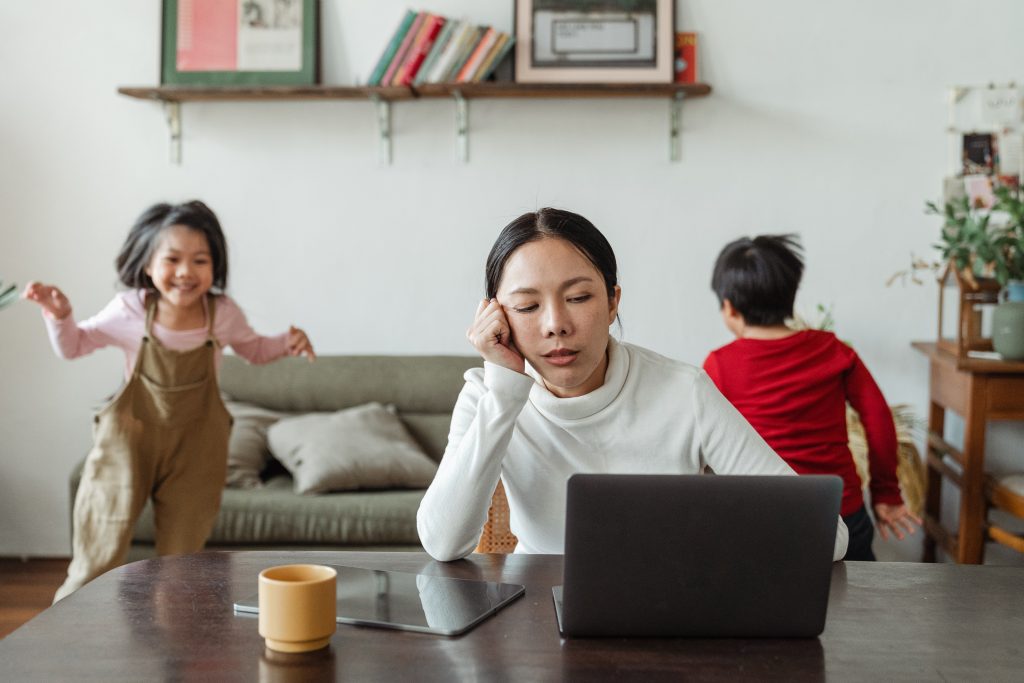
Webmd describes symptoms of work from home burnout as any of the following:
- Lack of enthusiasm
- Irritability and impatience
- Changes in attitude-becoming cynical especially
- Lack of interest in anything
- Being easily distracted
- Lack of productivity
- Using alcohol or other substances to cope
Work from home burnout can also lead to feelings of depression and apathy, especially as the pandemic wears on. The feelings of hopelessness are real and many who work from home can feel a sense of no end to their feelings. Signs and symptoms can vary depending on a person’s living arrangement-whether they live in the city or suburbs, have a family and children or live alone, or have pets. But regardless of a variance in these feelings they are very real and extremely important to recognize so that you can address them and make improvements for the sake of your health. According to SureFiz trainer Jenn Ryan, there are some steps you can take for your health and wellness to prevent or improve your feelings of work from home burnout.

- Set Boundaries: It can feel like you never have a break from the workday when you work from home. There is no separation of the office and the sanctity of home. One client stated that she felt like she worked from 8AM to 9PM and she only works an average of 5-6 hours a day. With the many obligations of life-from spouse to kids to pets to laundry and housework, the juggling of all things leads to feeling like there can never be a break. If you work on setting some boundaries between work and home, working within a certain part of the day and enjoying home life during other hours, you can create a sense of separation between the job and home life.
- Prioritize Your Health: Many times when we reach burnout, health and fitness is the first thing that goes. Right now, making our health a priority is more important than ever. Working out and focusing on fitness doesn’t have to be a huge time commitment or even a trip to the gym. Working out from home is simple and easy to squeeze in when you have some time. A 30 minute workout is better than no workout and whenever you can fit it into your day is beneficial to general health. Your mind and body will thank you. Many people also report that they feel rejuvenated, more ready to tackle daily tasks and accomplish goals after a workout.
- Get More Sleep: It may feel easier to work late into the night hours to finish a task but it’s important to remember that the tasks will be there for you when you wake up. Regularly “burning the midnight oil” will lead to further exhaustion in the coming days and create a cycle that can be hard to get out of. Getting adequate sleep is incredibly important for body and mind recovery, for minimizing anxiety and helping with energy reserves. Getting to bed at a decent hour will help you wake up more energized, which will lead to better productivity during your work day.
- Take Breaks and Get Out: When you feel yourself lagging or lacking motivation, it’s okay to take a break to clear your mind. Take a walk, get outside for some fresh air, or even take a short drive if the weather isn’t accommodating in the winter months. A change of scenery can refresh your mind and spirit so that when you return to the home office you can be ready to get back to your daily work tasks.
- Do Something You Enjoy: If you had a hobby before the pandemic and you stopped doing it, pick it back up. You might find that it fills your spirit and soul in the ways you need! Not sure about what you would enjoy? Playing an instrument, singing, dancing, even coloring, drawing or journaling can all be done at home and can be relaxing activities that give you a sense of enjoyment and fulfillment in these hard times.
- Talk to Someone: Working from home during this pandemic can lead to feelings of isolation and loneliness, and with many socialization activities out in public closed or limited, it can be much harder to connect with those you care about. Be sure to make the effort to reach out to friends and family to talk out your feelings. Sharing with others will help take away the burden and you may find that you aren’t the only one suffering from burnout at home and that others are in the same place. Even if you can’t be in person, calling on the phone or setting up a video chat to connect with loved ones can help refill your tank and is good for the soul.

The job may not get easier, the pandemic may not be over quickly and we all may be working from home for a while longer-if not permanently. But we can all get through this together and work to avoid the inevitable burnout that can occur from at home working. Even if you already feel some or all of these symptoms of burnout, you can reverse the effects by setting up some of these strategies to protect yourself from long term effects and damage on your body and mind. You need to take care of yourself to remain healthy and strong, in order for you to be productive at home and work for many years to come.
]]>Deprecated: Creation of dynamic property WP_Term::$cat_ID is deprecated in /var/www/surefiz.com/html/forum/wp-includes/category.php on line 378
Deprecated: Creation of dynamic property WP_Term::$category_count is deprecated in /var/www/surefiz.com/html/forum/wp-includes/category.php on line 379
Deprecated: Creation of dynamic property WP_Term::$category_description is deprecated in /var/www/surefiz.com/html/forum/wp-includes/category.php on line 380
Deprecated: Creation of dynamic property WP_Term::$cat_name is deprecated in /var/www/surefiz.com/html/forum/wp-includes/category.php on line 381
Deprecated: Creation of dynamic property WP_Term::$category_nicename is deprecated in /var/www/surefiz.com/html/forum/wp-includes/category.php on line 382
Deprecated: Creation of dynamic property WP_Term::$category_parent is deprecated in /var/www/surefiz.com/html/forum/wp-includes/category.php on line 383
The COVID-19 pandemic has certainly reshaped this past year for people all around the world. It has wreaked havoc in governments, households, stock markets, small businesses and even relationships. Not much of regular life looks the same as it did a year ago. Now that an entire year has almost passed, many people are reaching a point of frustration with having to alter so much of their lives. Experts are calling this “pandemic fatigue”. According to WDG Public Health, “‘Pandemic fatigue’ can occur when people get tired of the pandemic measures and become less likely to follow public health practices or simply begin to drown out those messages. A natural sense of burnout can happen since we’ve had to stick to these public health measures for such a prolonged period of time. Pandemic fatigue can be experienced differently for everyone but often presents itself as feeling restless, irritable, lacking motivation, and difficulty concentrating on tasks”. The effects of pandemic fatigue can vary in severity based on many factors-age, marital/relationship status, socioeconomic status, race and gender. Some research has shown youth and young adults suffering the most, as they are still establishing themselves and their relationships. Without the ability to socialize in person and enjoy being in public, many are growing weary and lonely. With the lower risk of complications or death, many youth also find it hard to continue staying apart and are not continuing to maintain the social distancing/stay at home suggestions from many health officials.
This level of fatigue and the symptoms it causes can have many health implications. First and foremost, the lack of motivation is extremely detrimental to those trying to lose weight or get healthy. It is hard enough to maintain a long term intrinsic/internal drive to workout or stay moving in a work out program, let alone during a year-long global pandemic. Many Americans who lost their motivation a few months into 2020 have found it hard to get back on track with their fitness activities. Another health side effect of the COVID-19 pandemic and resulting pandemic fatigue is stress and restlessness. The Centers for Disease Control and Prevention states that stress during an infectious disease outbreak can sometimes lead to the following:
- Fear and worry about personal health, loved ones, job loss, finances, etc
- Changes in sleep or eating patterns
- Difficulty concentrating
- Worsening of previous chronic health problems
- Worsening of mental health conditions
- Increased substance abuse (drugs, tobacco, alcohol, etc)
The longer that the world is dealing with this pandemic, the more fatigue and related symptoms will increase. Another concern health officials have with pandemic fatigue is that the general population will begin to relax on following health guidelines, and many areas around the world are already seeing this trend. With the holidays on the horizon, many family and social gatherings could lead to a large spike worldwide. The holidays are usually considered a happy time, where friends and families gather together, share meals and spend much of their time indoors. During a global pandemic, these behaviors are highly discouraged due to the increased risk of gathering together with many people. Due to pandemic fatigue, many Americans are choosing to continue their holiday rituals and traveling to be together. Many airlines report strong bookings over the holidays despite the encouragement to stay home. With families choosing to fly, some gathering from many different parts of the country, health officials are all very nervous there will be spikes all over the country.
If you are feeling any of these symptoms, rest assured you are not alone. Many, if not all, have identified with one or more of the pandemic fatigue symptoms at some point through the year. It is important-for your health and those around you-to continue following safety measures. Wearing masks in public, staying home whenever possible, minimizing parties and social gatherings and extra hand washing will all help in the fight against COVID-19. Hopefully we will see an end in sight, but in the meantime we will get through it. People are resilient and strong in nature and with a little patience can conquer any mountain, no matter how big.
]]>