Deprecated: Creation of dynamic property WP_Term::$cat_ID is deprecated in /var/www/surefiz.com/html/forum/wp-includes/category.php on line 378
Deprecated: Creation of dynamic property WP_Term::$category_count is deprecated in /var/www/surefiz.com/html/forum/wp-includes/category.php on line 379
Deprecated: Creation of dynamic property WP_Term::$category_description is deprecated in /var/www/surefiz.com/html/forum/wp-includes/category.php on line 380
Deprecated: Creation of dynamic property WP_Term::$cat_name is deprecated in /var/www/surefiz.com/html/forum/wp-includes/category.php on line 381
Deprecated: Creation of dynamic property WP_Term::$category_nicename is deprecated in /var/www/surefiz.com/html/forum/wp-includes/category.php on line 382
Deprecated: Creation of dynamic property WP_Term::$category_parent is deprecated in /var/www/surefiz.com/html/forum/wp-includes/category.php on line 383
What is Body Image?
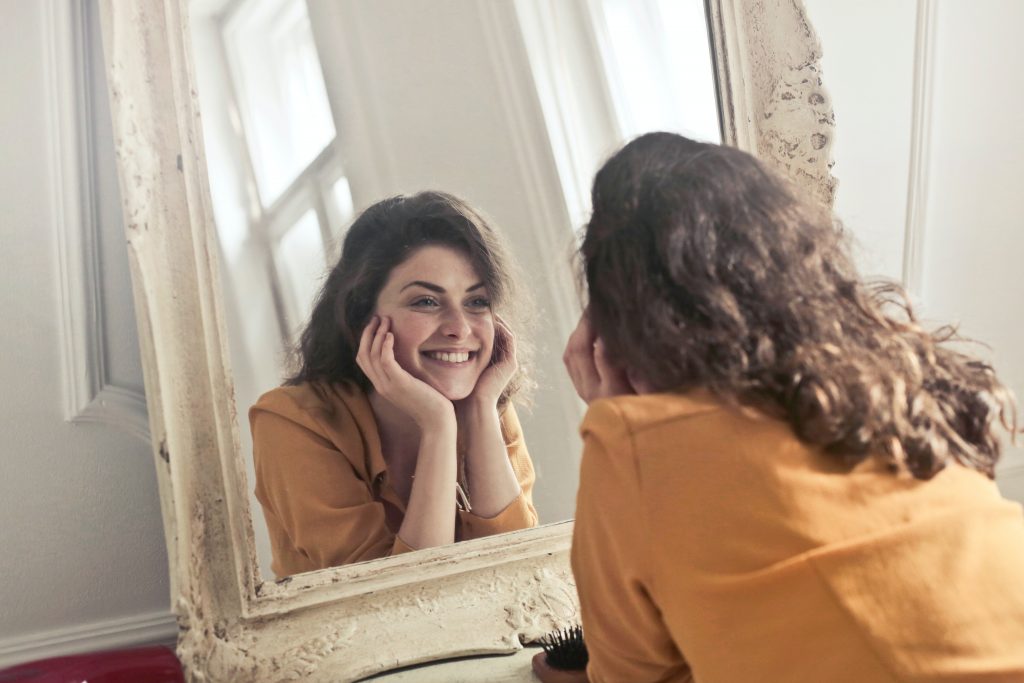
Everyone has a body image, whether positive or negative. But what exactly is body image and how does it affect our daily lives? According to Psychology Today, “body image is the mental representation an individual creates of themselves, but it may or may not bear any relation to how one actually appears. Body image is subject to all kinds of distortions from the attitudes of one’s parents, other early experiences, internal elements like emotions or moods, and other factors” (Retrieved from psychologytoday.com). The concept of body image has been a large part of humanity all throughout history, with outside factors and trends shaping how an individual sees him or herself in relation to others.
Positive Body Image
Body image can be positive or negative. A positive body image involves looking at oneself as having value regardless of physical appearance. Medical News Today breaks it down below.
“Having a positive body image includes:
- Accepting and appreciating the whole of one’s body, including how it looks and what it can do
- Having a broad concept of beauty
- Having a body image that is stable
- Having inner positivity” (Retrieved from medicalnewstoday.com)
The ability to see oneself with acceptance and appreciation is at the forefront of a positive body image and can be foundational in having a strong sense of self worth and success in life that goes far beyond outward appearance. With a strong sense of self worth, a person can have the confidence to try new things, obtain further education or take a step into the unknown without the fear of failure.
Negative Body Image
A negative body image, on the other hand, can truly affect many aspects of life that go far beyond looks. Medical News Today reports that someone who suffers from body image could experience any of the following:
- Comparing themselves to others and feeling inadequate when they do
- Feelings of shame or embarrassment
- Lack of confidence
- Feeling uncomfortable or awkward in their body
- See parts of their body, such as their nose, in a distorted way (Retrieved from medicalnewstoday.com)
These negative feelings associated with body image can truly hinder someone in many aspects of their life, and can also lead to more serious conditions or disorders. Although a negative body image tends to be more prevalent among women, many men also suffer from negative body image. Since women tend to be more willing to be open and share feelings in general, many men may remain quiet about their feelings of inadequacy and fear sharing these feelings with others or seeking help.
Outside Influences
Social media has also influenced body image in recent years, as images of supermodels or other attractive people are bombarding news feeds and can affect a person’s view of beauty or how they think they should look. However, this is not a new concept—even before the birth of the internet and social media the influence of community perception of beauty has had an effect on personal self-worth. Humanity has always had an awareness of beauty and physical looks and what goes along with it. In past eras, carrying extra weight was associated with wealth, and as such being heavy set, or carrying extra weight was more desirable. In our current society, having a small frame and being associated as “skinny” is trendy and thus more desirable. With society and trends directing what is seen as beautiful, it can affect a person’s body image when he or she doesn’t fit that mold.
Other Disorders
When a negative self-image permeates a person’s thinking, the results can be far reaching. It can even lead to deeper, more serious disorders. Healthline explains that, “People who are extremely dissatisfied with the way their bodies look have a greater risk of developing:
- mood disorders
- body dysmorphic disorder
- disordered eating
- muscle dysmorphia
- lower self-esteem
- relationship problems
- self-harm tendencies
Also, people with social anxiety disorder, generalized anxiety disorder, obsessive-compulsive disorder, and major depressive disorder may have a distorted, negative body image” (Retrieved from Healthline.com). With many of the above disorders having potential long term, serious side effects, it is important to recognize areas of negative body image addressing them.
How To Improve Body Image
There are a number of ways to work on improving body image; ranging from small, simple at home tips to therapy or medications. Here are some options that can help with turning a negative body image into a positive one:
- Create lists of multiple positive body attributes
- Redefine beauty in a less superficial way
- Choose to be surrounded by positive, uplifting people
- Writing down negative self thoughts and consciously changing them to positive
- Volunteering or performing activities that help others
- Taking a break or minimizing time on social media
- Finding activities that move the body and can help with awareness of what the body can do, not just what it looks like. (Retrieved from: Healthline.com)
If some of the above exercises aren’t working after some time of practicing, it may be necessary to explore other options and seek professional help. Many psychologists and psychiatrists have techniques that can improve body image, as well as the option to prescribe medication if necessary to work on some underlying causes or roots of negative body image. It is possible to improve body image and to be able to see the positive attributes that the body offers, much beyond superficial appearance or body size.
]]>Deprecated: Creation of dynamic property WP_Term::$cat_ID is deprecated in /var/www/surefiz.com/html/forum/wp-includes/category.php on line 378
Deprecated: Creation of dynamic property WP_Term::$category_count is deprecated in /var/www/surefiz.com/html/forum/wp-includes/category.php on line 379
Deprecated: Creation of dynamic property WP_Term::$category_description is deprecated in /var/www/surefiz.com/html/forum/wp-includes/category.php on line 380
Deprecated: Creation of dynamic property WP_Term::$cat_name is deprecated in /var/www/surefiz.com/html/forum/wp-includes/category.php on line 381
Deprecated: Creation of dynamic property WP_Term::$category_nicename is deprecated in /var/www/surefiz.com/html/forum/wp-includes/category.php on line 382
Deprecated: Creation of dynamic property WP_Term::$category_parent is deprecated in /var/www/surefiz.com/html/forum/wp-includes/category.php on line 383
Deprecated: Creation of dynamic property WP_Term::$cat_ID is deprecated in /var/www/surefiz.com/html/forum/wp-includes/category.php on line 378
Deprecated: Creation of dynamic property WP_Term::$category_count is deprecated in /var/www/surefiz.com/html/forum/wp-includes/category.php on line 379
Deprecated: Creation of dynamic property WP_Term::$category_description is deprecated in /var/www/surefiz.com/html/forum/wp-includes/category.php on line 380
Deprecated: Creation of dynamic property WP_Term::$cat_name is deprecated in /var/www/surefiz.com/html/forum/wp-includes/category.php on line 381
Deprecated: Creation of dynamic property WP_Term::$category_nicename is deprecated in /var/www/surefiz.com/html/forum/wp-includes/category.php on line 382
Deprecated: Creation of dynamic property WP_Term::$category_parent is deprecated in /var/www/surefiz.com/html/forum/wp-includes/category.php on line 383
Deprecated: Creation of dynamic property WP_Term::$cat_ID is deprecated in /var/www/surefiz.com/html/forum/wp-includes/category.php on line 378
Deprecated: Creation of dynamic property WP_Term::$category_count is deprecated in /var/www/surefiz.com/html/forum/wp-includes/category.php on line 379
Deprecated: Creation of dynamic property WP_Term::$category_description is deprecated in /var/www/surefiz.com/html/forum/wp-includes/category.php on line 380
Deprecated: Creation of dynamic property WP_Term::$cat_name is deprecated in /var/www/surefiz.com/html/forum/wp-includes/category.php on line 381
Deprecated: Creation of dynamic property WP_Term::$category_nicename is deprecated in /var/www/surefiz.com/html/forum/wp-includes/category.php on line 382
Deprecated: Creation of dynamic property WP_Term::$category_parent is deprecated in /var/www/surefiz.com/html/forum/wp-includes/category.php on line 383
Do you struggle with burnout while working from home during the pandemic? Here are a few strategies to get through the work week without feeling completely exhausted.
Work From Home Burnout
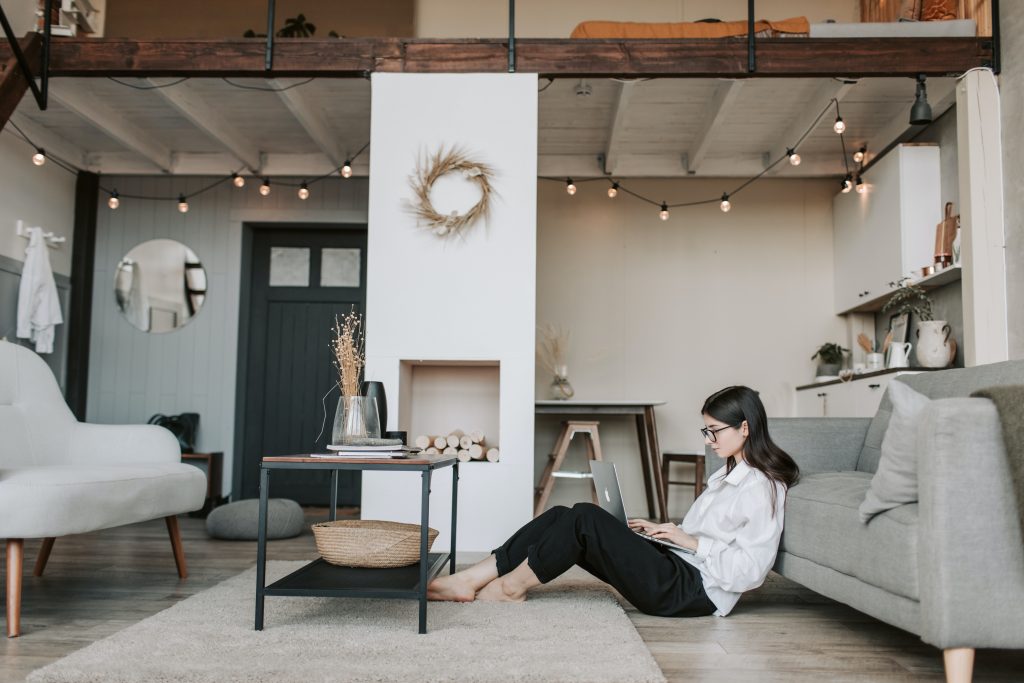
The past year has seen many changes. Many Americans have moved from working in an office space to working from home, and with this change comes many new challenges. As the months roll on, people are feeling a sense of burnout and exhaustion, not only from COVID-19 fatigue but from working from home and the pressures that go along with it. According to Muse, “Work-from-home burnout happens when people can’t separate their work life and their home life, says Andrew Schwehm, a licensed clinical psychologist with Alma, a network of mental health providers, who also works at Bellevue Hospital in New York City and teaches at NYU School of Medicine. People are having an especially hard time separating the two during the pandemic when they’re working and living in one space”. With many shelter in place or stay home recommendations being extended around the world, getting out is hard to do and many people feel very stuck. So what can we do about this burnout? With some simple strategies and tips, you can help avoid major exhaustion and complete burnout.
Symptoms of Burnout
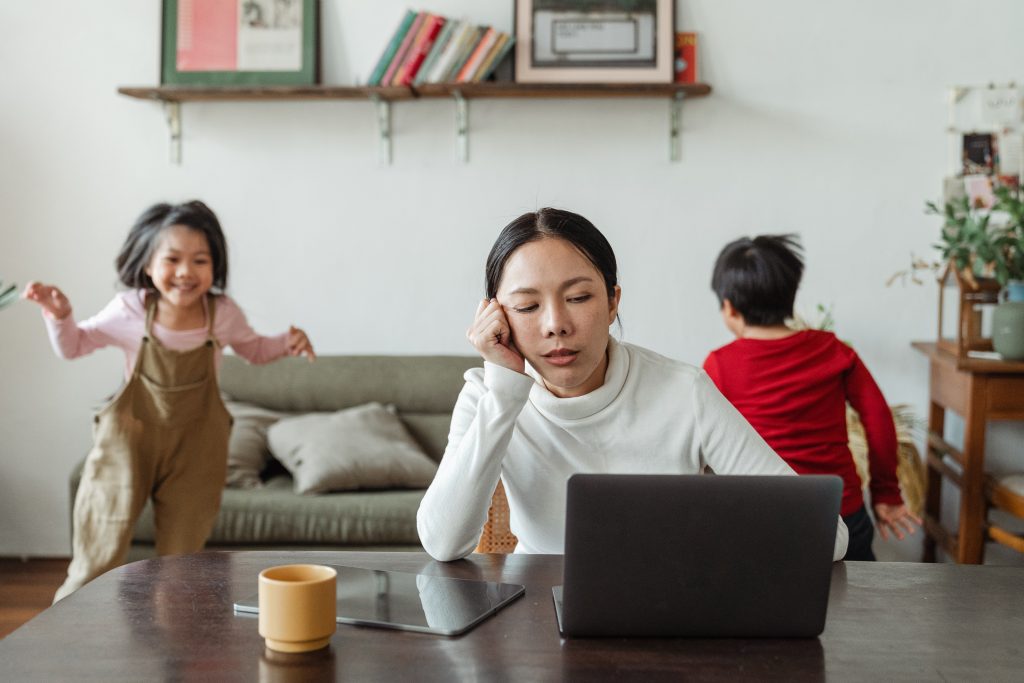
Webmd describes symptoms of work from home burnout as any of the following:
- Lack of enthusiasm
- Irritability and impatience
- Changes in attitude-becoming cynical especially
- Lack of interest in anything
- Being easily distracted
- Lack of productivity
- Using alcohol or other substances to cope
Work from home burnout can also lead to feelings of depression and apathy, especially as the pandemic wears on. The feelings of hopelessness are real and many who work from home can feel a sense of no end to their feelings. Signs and symptoms can vary depending on a person’s living arrangement-whether they live in the city or suburbs, have a family and children or live alone, or have pets. But regardless of a variance in these feelings they are very real and extremely important to recognize so that you can address them and make improvements for the sake of your health. According to SureFiz trainer Jenn Ryan, there are some steps you can take for your health and wellness to prevent or improve your feelings of work from home burnout.
- Set Boundaries: It can feel like you never have a break from the workday when you work from home. There is no separation of the office and the sanctity of home. One client stated that she felt like she worked from 8AM to 9PM and she only works an average of 5-6 hours a day. With the many obligations of life-from spouse to kids to pets to laundry and housework, the juggling of all things leads to feeling like there can never be a break. If you work on setting some boundaries between work and home, working within a certain part of the day and enjoying home life during other hours, you can create a sense of separation between the job and home life.
- Prioritize Your Health: Many times when we reach burnout, health and fitness is the first thing that goes. Right now, making our health a priority is more important than ever. Working out and focusing on fitness doesn’t have to be a huge time commitment or even a trip to the gym. Working out from home is simple and easy to squeeze in when you have some time. A 30 minute workout is better than no workout and whenever you can fit it into your day is beneficial to general health. Your mind and body will thank you. Many people also report that they feel rejuvenated, more ready to tackle daily tasks and accomplish goals after a workout.
- Get More Sleep: It may feel easier to work late into the night hours to finish a task but it’s important to remember that the tasks will be there for you when you wake up. Regularly “burning the midnight oil” will lead to further exhaustion in the coming days and create a cycle that can be hard to get out of. Getting adequate sleep is incredibly important for body and mind recovery, for minimizing anxiety and helping with energy reserves. Getting to bed at a decent hour will help you wake up more energized, which will lead to better productivity during your work day.
- Take Breaks and Get Out: When you feel yourself lagging or lacking motivation, it’s okay to take a break to clear your mind. Take a walk, get outside for some fresh air, or even take a short drive if the weather isn’t accommodating in the winter months. A change of scenery can refresh your mind and spirit so that when you return to the home office you can be ready to get back to your daily work tasks.
- Do Something You Enjoy: If you had a hobby before the pandemic and you stopped doing it, pick it back up. You might find that it fills your spirit and soul in the ways you need! Not sure about what you would enjoy? Playing an instrument, singing, dancing, even coloring, drawing or journaling can all be done at home and can be relaxing activities that give you a sense of enjoyment and fulfillment in these hard times.
- Talk to Someone: Working from home during this pandemic can lead to feelings of isolation and loneliness, and with many socialization activities out in public closed or limited, it can be much harder to connect with those you care about. Be sure to make the effort to reach out to friends and family to talk out your feelings. Sharing with others will help take away the burden and you may find that you aren’t the only one suffering from burnout at home and that others are in the same place. Even if you can’t be in person, calling on the phone or setting up a video chat to connect with loved ones can help refill your tank and is good for the soul.
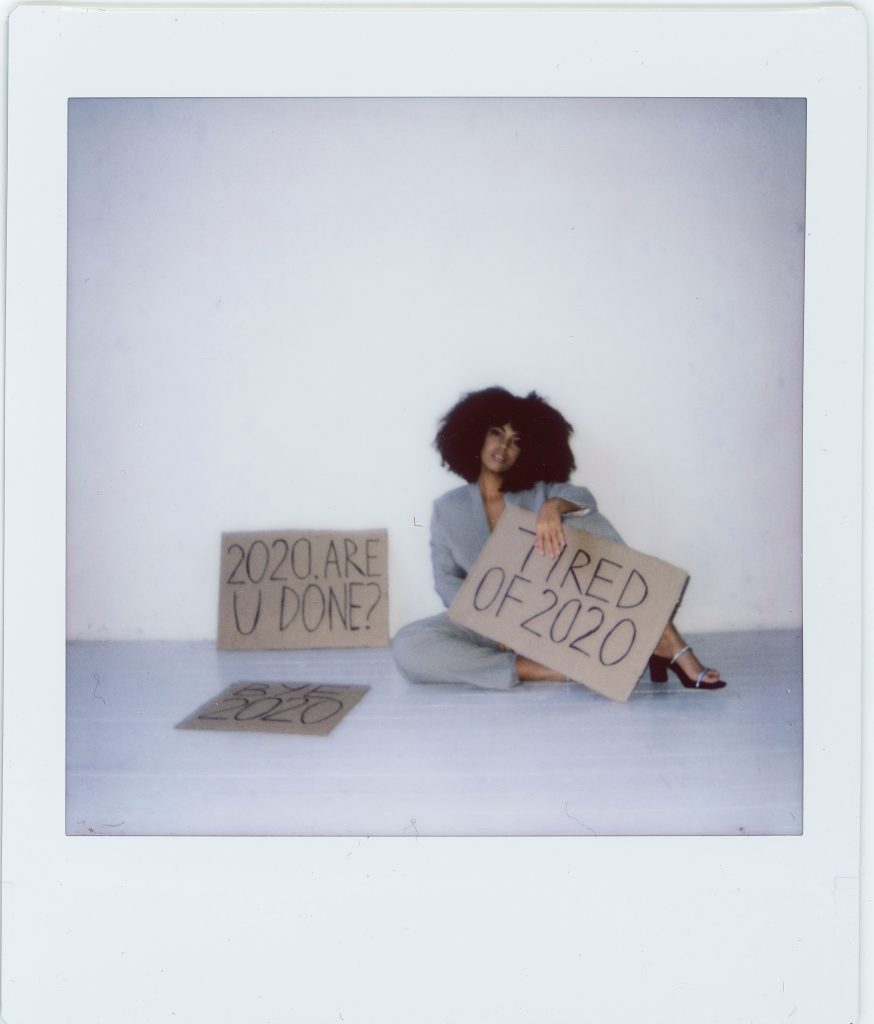
The job may not get easier, the pandemic may not be over quickly and we all may be working from home for a while longer-if not permanently. But we can all get through this together and work to avoid the inevitable burnout that can occur from at home working. Even if you already feel some or all of these symptoms of burnout, you can reverse the effects by setting up some of these strategies to protect yourself from long term effects and damage on your body and mind. You need to take care of yourself to remain healthy and strong, in order for you to be productive at home and work for many years to come.
]]>