Deprecated: Creation of dynamic property WP_Term::$cat_ID is deprecated in /var/www/surefiz.com/html/forum/wp-includes/category.php on line 378
Deprecated: Creation of dynamic property WP_Term::$category_count is deprecated in /var/www/surefiz.com/html/forum/wp-includes/category.php on line 379
Deprecated: Creation of dynamic property WP_Term::$category_description is deprecated in /var/www/surefiz.com/html/forum/wp-includes/category.php on line 380
Deprecated: Creation of dynamic property WP_Term::$cat_name is deprecated in /var/www/surefiz.com/html/forum/wp-includes/category.php on line 381
Deprecated: Creation of dynamic property WP_Term::$category_nicename is deprecated in /var/www/surefiz.com/html/forum/wp-includes/category.php on line 382
Deprecated: Creation of dynamic property WP_Term::$category_parent is deprecated in /var/www/surefiz.com/html/forum/wp-includes/category.php on line 383
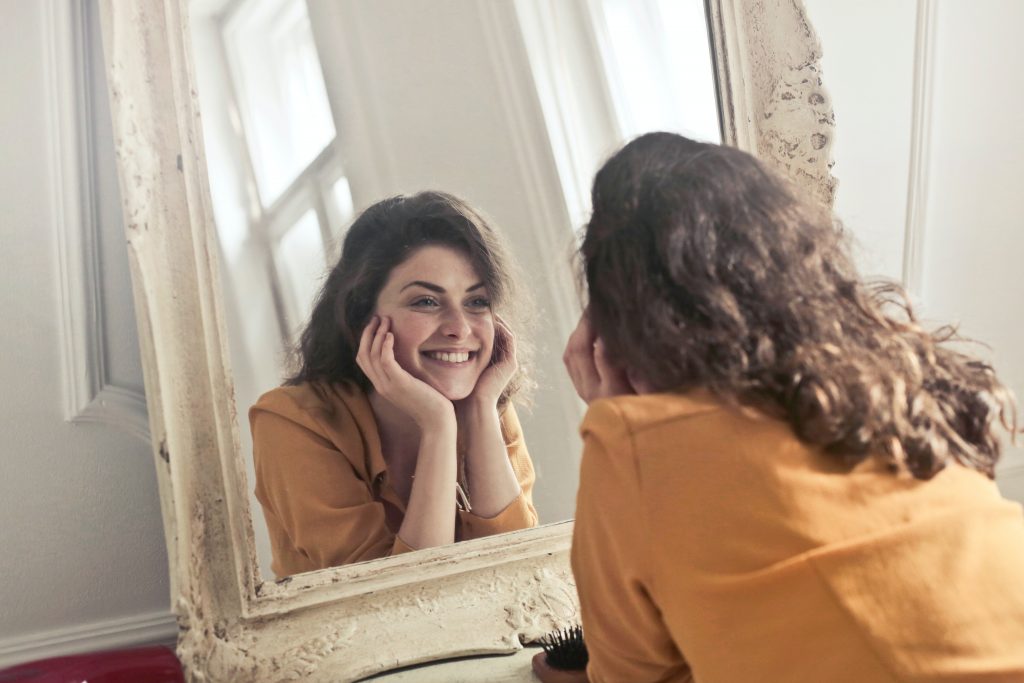
What is Body Image?
Everyone has a body image, whether positive or negative. But what exactly is body image and how does it affect our daily lives? According to Psychology Today, “body image is the mental representation an individual creates of themselves, but it may or may not bear any relation to how one actually appears. Body image is subject to all kinds of distortions from the attitudes of one’s parents, other early experiences, internal elements like emotions or moods, and other factors” (Retrieved from psychologytoday.com). The concept of body image has been a large part of humanity all throughout history, with outside factors and trends shaping how an individual sees him or herself in relation to others.
Positive Body Image
Body image can be positive or negative. A positive body image involves looking at oneself as having value regardless of physical appearance. Medical News Today breaks it down below.
“Having a positive body image includes:
- Accepting and appreciating the whole of one’s body, including how it looks and what it can do
- Having a broad concept of beauty
- Having a body image that is stable
- Having inner positivity” (Retrieved from medicalnewstoday.com)
The ability to see oneself with acceptance and appreciation is at the forefront of a positive body image and can be foundational in having a strong sense of self worth and success in life that goes far beyond outward appearance. With a strong sense of self worth, a person can have the confidence to try new things, obtain further education or take a step into the unknown without the fear of failure.
Negative Body Image
A negative body image, on the other hand, can truly affect many aspects of life that go far beyond looks. Medical News Today reports that someone who suffers from body image could experience any of the following:
- Comparing themselves to others and feeling inadequate when they do
- Feelings of shame or embarrassment
- Lack of confidence
- Feeling uncomfortable or awkward in their body
- See parts of their body, such as their nose, in a distorted way (Retrieved from medicalnewstoday.com)
These negative feelings associated with body image can truly hinder someone in many aspects of their life, and can also lead to more serious conditions or disorders. Although a negative body image tends to be more prevalent among women, many men also suffer from negative body image. Since women tend to be more willing to be open and share feelings in general, many men may remain quiet about their feelings of inadequacy and fear sharing these feelings with others or seeking help.
Outside Influences
Social media has also influenced body image in recent years, as images of supermodels or other attractive people are bombarding news feeds and can affect a person’s view of beauty or how they think they should look. However, this is not a new concept—even before the birth of the internet and social media the influence of community perception of beauty has had an effect on personal self-worth. Humanity has always had an awareness of beauty and physical looks and what goes along with it. In past eras, carrying extra weight was associated with wealth, and as such being heavy set, or carrying extra weight was more desirable. In our current society, having a small frame and being associated as “skinny” is trendy and thus more desirable. With society and trends directing what is seen as beautiful, it can affect a person’s body image when he or she doesn’t fit that mold.
Other Disorders
When a negative self-image permeates a person’s thinking, the results can be far reaching. It can even lead to deeper, more serious disorders. Healthline explains that, “People who are extremely dissatisfied with the way their bodies look have a greater risk of developing:
- mood disorders
- body dysmorphic disorder
- disordered eating
- muscle dysmorphia
- lower self-esteem
- relationship problems
- self-harm tendencies
Also, people with social anxiety disorder, generalized anxiety disorder, obsessive-compulsive disorder, and major depressive disorder may have a distorted, negative body image” (Retrieved from Healthline.com). With many of the above disorders having potential long term, serious side effects, it is important to recognize areas of negative body image addressing them.
How To Improve Body Image
There are a number of ways to work on improving body image; ranging from small, simple at home tips to therapy or medications. Here are some options that can help with turning a negative body image into a positive one:
- Create lists of multiple positive body attributes
- Redefine beauty in a less superficial way
- Choose to be surrounded by positive, uplifting people
- Writing down negative self thoughts and consciously changing them to positive
- Volunteering or performing activities that help others
- Taking a break or minimizing time on social media
- Finding activities that move the body and can help with awareness of what the body can do, not just what it looks like. (Retrieved from: Healthline.com)
If some of the above exercises aren’t working after some time of practicing, it may be necessary to explore other options and seek professional help. Many psychologists and psychiatrists have techniques that can improve body image, as well as the option to prescribe medication if necessary to work on some underlying causes or roots of negative body image. It is possible to improve body image and to be able to see the positive attributes that the body offers, much beyond superficial appearance or body size.
]]>Deprecated: Creation of dynamic property WP_Term::$cat_ID is deprecated in /var/www/surefiz.com/html/forum/wp-includes/category.php on line 378
Deprecated: Creation of dynamic property WP_Term::$category_count is deprecated in /var/www/surefiz.com/html/forum/wp-includes/category.php on line 379
Deprecated: Creation of dynamic property WP_Term::$category_description is deprecated in /var/www/surefiz.com/html/forum/wp-includes/category.php on line 380
Deprecated: Creation of dynamic property WP_Term::$cat_name is deprecated in /var/www/surefiz.com/html/forum/wp-includes/category.php on line 381
Deprecated: Creation of dynamic property WP_Term::$category_nicename is deprecated in /var/www/surefiz.com/html/forum/wp-includes/category.php on line 382
Deprecated: Creation of dynamic property WP_Term::$category_parent is deprecated in /var/www/surefiz.com/html/forum/wp-includes/category.php on line 383
Deprecated: Creation of dynamic property WP_Term::$cat_ID is deprecated in /var/www/surefiz.com/html/forum/wp-includes/category.php on line 378
Deprecated: Creation of dynamic property WP_Term::$category_count is deprecated in /var/www/surefiz.com/html/forum/wp-includes/category.php on line 379
Deprecated: Creation of dynamic property WP_Term::$category_description is deprecated in /var/www/surefiz.com/html/forum/wp-includes/category.php on line 380
Deprecated: Creation of dynamic property WP_Term::$cat_name is deprecated in /var/www/surefiz.com/html/forum/wp-includes/category.php on line 381
Deprecated: Creation of dynamic property WP_Term::$category_nicename is deprecated in /var/www/surefiz.com/html/forum/wp-includes/category.php on line 382
Deprecated: Creation of dynamic property WP_Term::$category_parent is deprecated in /var/www/surefiz.com/html/forum/wp-includes/category.php on line 383
Deprecated: Creation of dynamic property WP_Term::$cat_ID is deprecated in /var/www/surefiz.com/html/forum/wp-includes/category.php on line 378
Deprecated: Creation of dynamic property WP_Term::$category_count is deprecated in /var/www/surefiz.com/html/forum/wp-includes/category.php on line 379
Deprecated: Creation of dynamic property WP_Term::$category_description is deprecated in /var/www/surefiz.com/html/forum/wp-includes/category.php on line 380
Deprecated: Creation of dynamic property WP_Term::$cat_name is deprecated in /var/www/surefiz.com/html/forum/wp-includes/category.php on line 381
Deprecated: Creation of dynamic property WP_Term::$category_nicename is deprecated in /var/www/surefiz.com/html/forum/wp-includes/category.php on line 382
Deprecated: Creation of dynamic property WP_Term::$category_parent is deprecated in /var/www/surefiz.com/html/forum/wp-includes/category.php on line 383
A strong immune system has many components, including a healthy daily diet. Here are some everyday foods you can eat to help you stay healthy through the winter.
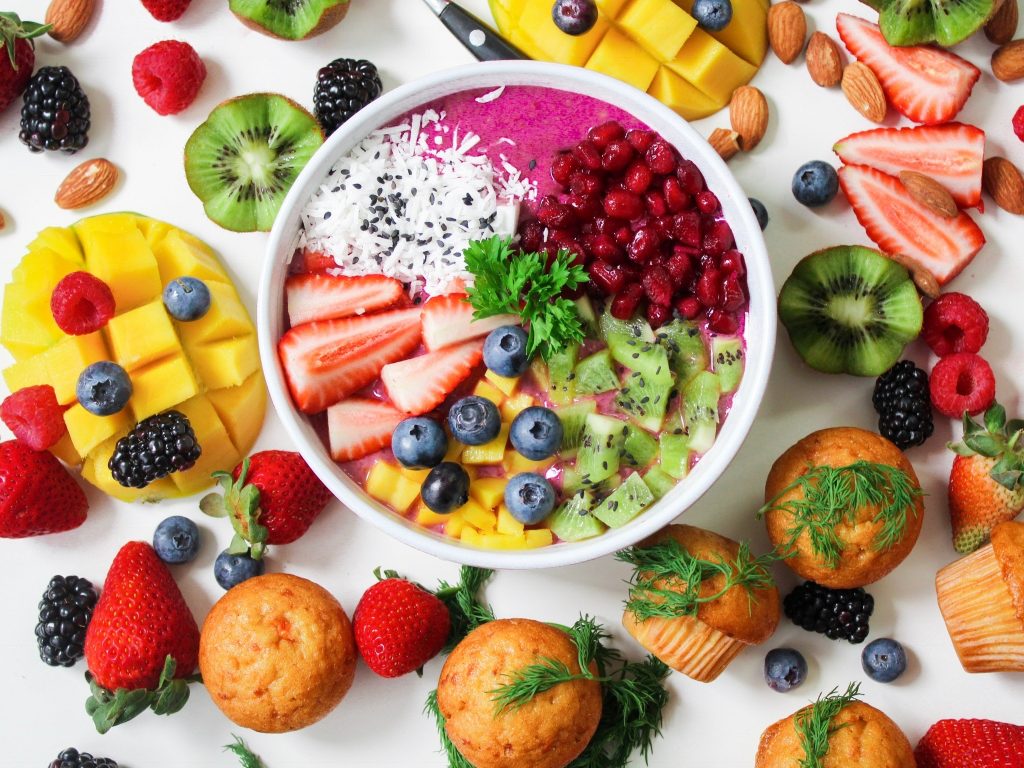
The body’s immune system is it’s first defense against illness. When it comes to preventing colds, flus or even the coronavirus, keeping the body strong and healthy is of utmost importance. You don’t need to reach for expensive vitamins and supplements to keep your body strong. There are many healthy foods that you’ll find easy to incorporate into your daily diet and weight loss program.
What makes an immune system strong?
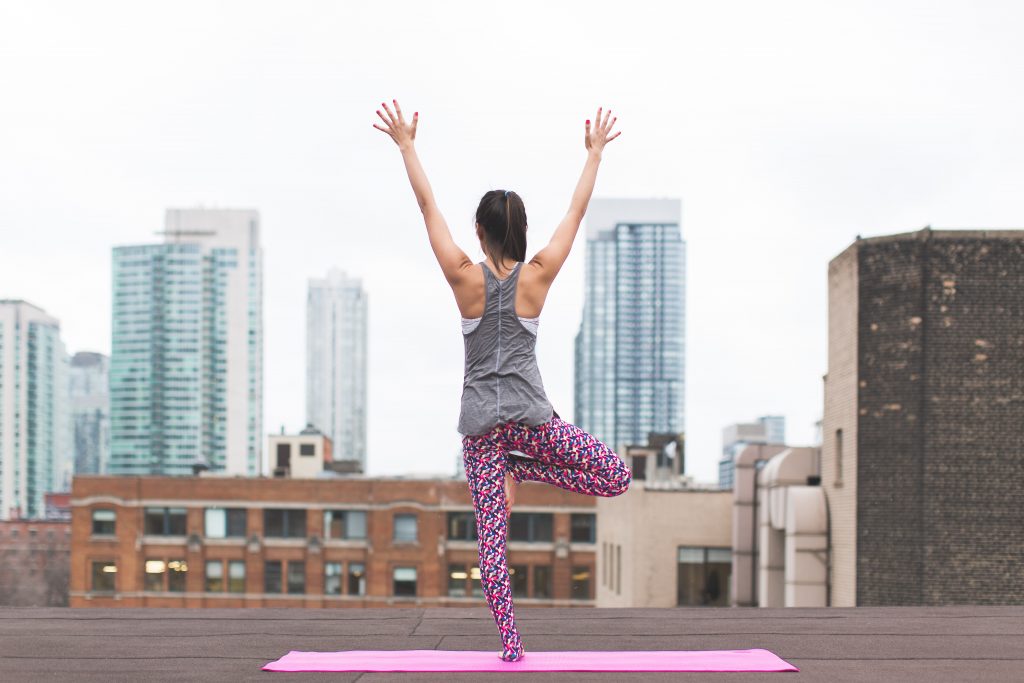
When it comes to keeping your immune system strong and thriving, several components are important to keep in mind. The immune system isn’t single faceted, but a complete system in the body that depends on a lot of factors to function well. Some of the main ways you can help your immune system stay strong are:
- Get enough sleep
- Quit smoking cigarettes (or don’t start)
- Exercise regularly
- Try to minimize stress
- Practice good hygiene-washing hands, etc.
- Maintain a healthy weight
- If you drink alcohol, do so in moderation
- Eat a variety of natural, healthy foods-especially fruits and vegetables
- Keep sugar intake low, avoid unnatural sources
Working on all of the above areas can help keep your immune system strong and ready to fight off any illness or infection, but when it comes to eating healthy some foods are definitely superior in their immune-boosting qualities. Focus on foods that are high in antioxidants, vitamin C, vitamin D, and zinc. The key is getting a good variety of these foods to keep each of these nutrients strong in your body.
Antioxidants
“Antioxidant” is a word used a lot in the health and fitness world. But what does it really mean? Broken down, according to veryhealthy.life, the anti means against and oxidant refers to something that will chemically combine with oxygen. This means that antioxidants prevent oxidation against free radicals. When there are free radicals within the body they can cause a chain reaction that causes damage to the cells. Antioxidants can help keep your cells strong against this free radical damage. Some popular foods that are high in antioxidants are:
- Raspberries, cherries, apricots, cranberries and watermelon
- Broccoli, spinach, artichokes,
- Rosemary, oregano, thyme
- Kidney beans
- Turmeric
- Acai powder
- Allspice, cinnamon, cocoa powder
By combining many of these fresh fruits, vegetables and spices together, there are many easy and creative ways to get more antioxidant rich foods into your diet.
Vitamin C
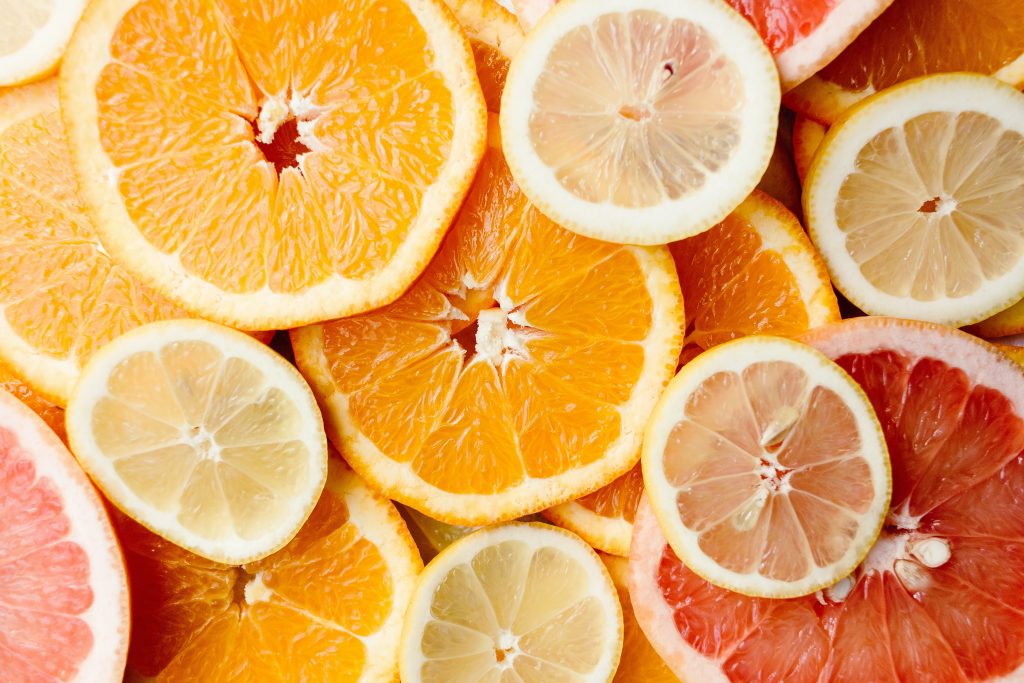
Vitamin C might be the most common vitamin known to fight illness and aid in recovery well. Because the body cannot produce or store vitamin c, it has to be sourced through the diet, and finding daily sources in a variety of foods can help ensure you are getting enough. When you think of vitamin c you might immediately think of oranges or other citrus, but many other foods are high in vitamin c that may not have come to your mind. Here are some great healthy food options that give a boost of vitamin c:
- Red pepper, green pepper, green chile pepper
- Oranges, strawberries, papaya, guava
- Broccoli, potato, brussels sprouts, cauliflower
- Lemon, grapefruit, kiwifruit, mango
Vitamin D

Vitamin D has been known for many years to promote bone growth and absorb calcium. Recent studies have also shown a link between vitamin D and other important body functions, including a healthy immune system response. “Vitamin D deficiency has now been linked to breast cancer, colon cancer, prostate cancer, heart disease, depression, weight gain, and other maladies. These studies show that people with higher levels of vitamin D have a lower risk of disease” (webmd). The body can produce vitamin D, but only after skin exposure to sunlight for an extended period of time. Unfortunately, those who live in less sunny climates can be at a higher risk of vitamin D deficiency. Even those who live in sunny areas may still have vitamin D deficiency if they spend a majority of their time indoors. Recent studies have been conducted on the potential role vitamin D may have in the immune response to COVID-19. Although more research needs to be done, studies show positive results that link vitamin D to the immune system strength needed to fight the coronavirus and other diseases. If you are not able to get enough sunlight daily, these foods can help to supplement vitamin D in your body:
- Salmon
- Herring, sardines, cod liver oil
- Egg yolks
- Mushrooms
- Fortified foods with vitamin D, such as cow’s milk, soy milk, orange juice, cereals and oatmeal.
Getting vitamin D from all natural sources such as the sun and natural healthy foods is always the best way to give the body what it needs on a daily basis.
Zinc
Zinc is an essential trace mineral that plays an important role in the body, including slowing the aging process and providing an antioxidant barrier against free radicals. The body doesn’t need large amounts of this mineral for healthy function, so it is an easy nutrient to supplement with a healthy diet. Keep in mind that animal foods are the best sources of zinc compared to plant foods, like vegetables, because zinc bioavailability (the fraction of zinc that’s retained and used by the body) is high in foods like animal meat and seafood (draxe.com). That doesn’t mean animal foods are the only source, but combining animal and plant sources can help guarantee you’re getting all you need in your daily diet. Some of the foods highest in zinc are:
- Grass-fed beef, lamb, chicken
- Pumpkin seeds, hemp seeds, cashews
- Chickpeas, lentils, almonds
- Kefir, yogurt, ricotta cheese
- Mushrooms, spinach, avocado
By working at maintaining a healthy immune system through the winter months, you can do your best to stay strong and able to fight any viruses that come your way. Choosing a variety of foods from all of these categories will help you feel better, stay stronger and promote healthy weight loss as part of your overall diet plan. Holistic health is not just about weight loss or physical appearance, but about the functions of the entire body. By keeping all of your systems strong you can feel better from the inside out.
]]>